



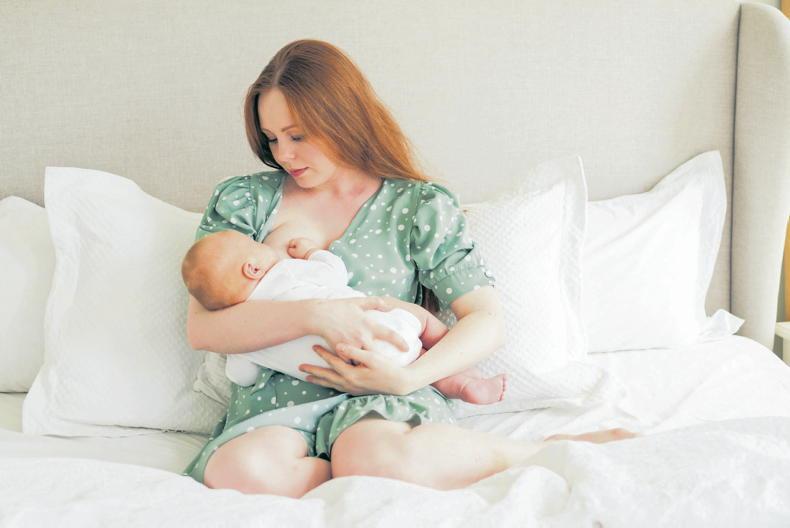
Breastfeeding rates in Ireland are among the lowest in the world, but they are gradually improving. While every mother should choose the best option for their family and their baby, the World Health Organization (WHO) recommends that babies are breastfed exclusively for the first six months of their life, and up to the age of two years or beyond in combination with complementary food.
The Irish Maternity Indicator System National Reports monitor trends and outcomes across maternity services in Ireland; in 2024, the report stated that 63.4% mothers were breastfeeding before leaving hospital. This represents a 2% increase from 61.4% in 2023.
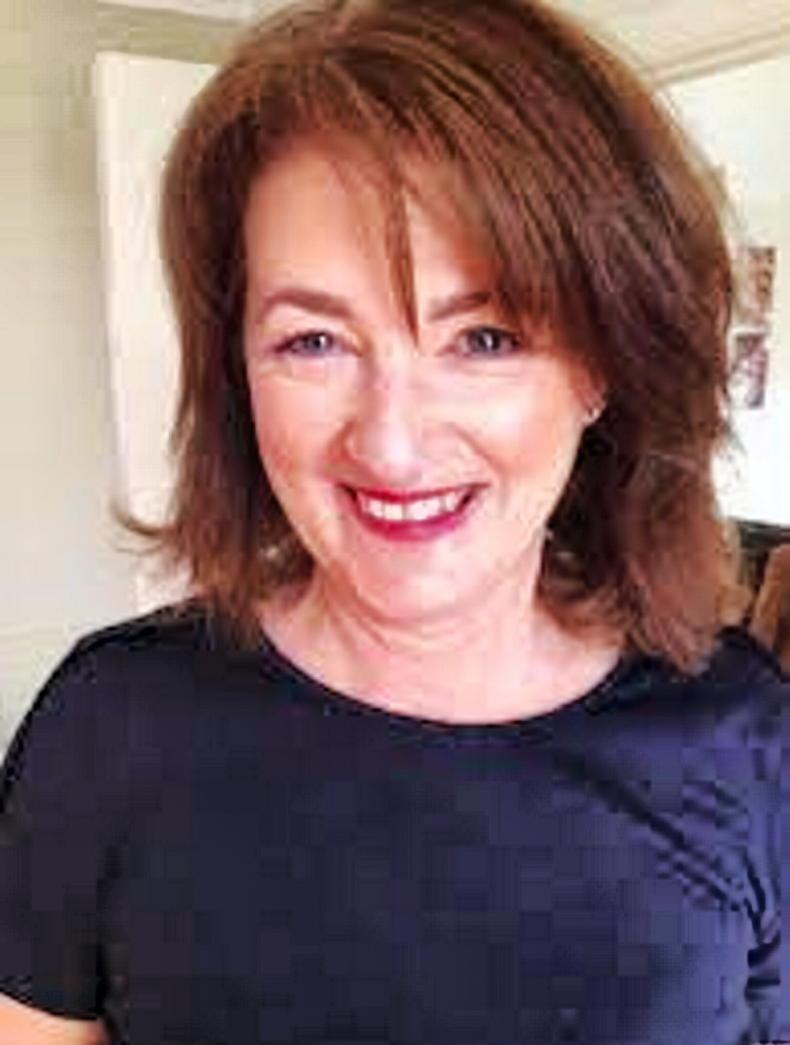
Denise McGuinness, assistant professor and lecturer in midwifery at the School of Nursing, Midwifery and Health Systems at University College Dublin, tells Irish Country Living: “A lot of women in Ireland want to breastfeed, and that’s very positive, and they’re aware about the benefits of breastfeeding for them and their baby.”
Denise explains that within the 63.4% of women who breastfeed before leaving hospital, the breastfeeding rate drops slightly to 62% by the first public health nurse visit (usually around 72 hours following discharge from the maternity hospital). “But then by three months, the rate drops further to 44% of women reporting any breastfeeding.”
This, in part, is because women do not benefit from the same continuity of breastfeeding support when they leave hospital.
“In the hospital, women have skilled help and support from midwives. It’s when they leave the hospital they really need more support. That’s when they need a village of support. They need the support of healthcare professionals with breastfeeding expertise and skills in the community, the public health nurse, the GP, and pharmacists.”
The GPs and general practice nurses that Denise and her research colleagues surveyed, as part of their national research study, stated that they would like further education and training on breastfeeding.
Breastfeeding rates in Ireland also vary geographically. Cork, Kerry and Kilkenny recorded the highest rates of breastfeeding, and counties Waterford, Laois, Clare, Dublin County, Carlow, Westmeath and Wicklow recorded above the national average.
“It’s very interesting when we look at who is breastfeeding and who is not breastfeeding,” Denise continues. “There are good breastfeeding rates amongst farming families. Among farmers and farm managers, exclusive breastfeeding rates are reported at 55.1%, with 33.7% choosing formula milk. And 55% are exclusively breastfeeding.”
In Ireland, breastfeeding rates also increase with a mother’s age, and higher rates are found among women in a higher socio-economic group. There are lower rates amongst mothers who are unemployed.
“To ensure optimum health of all mothers and babies, breastfeeding education is important followed by skilled help to breastfeed for as long as a mother and baby wishes,” Denise says.
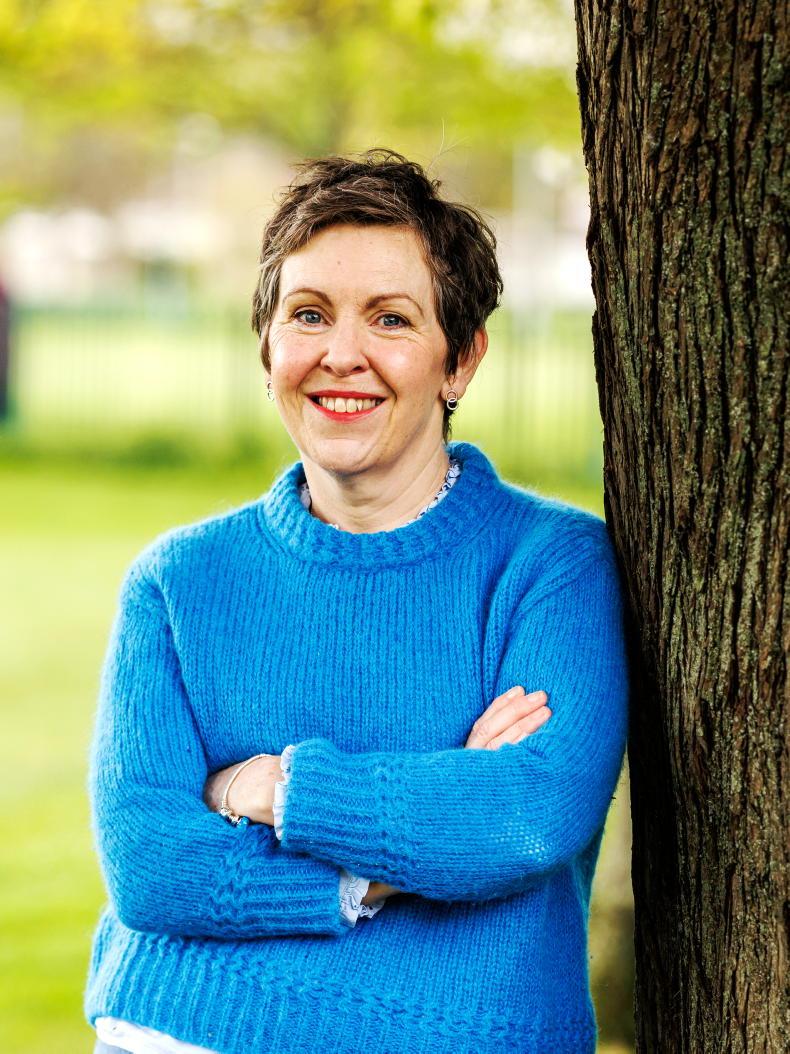
Broader context: Lactation consultant, Caoimhe Whelan
Lactation consultant, Caoimhe Whelan describes breastfeeding rates in Ireland as “fairly shocking”. She states that we need to go as far back as the 20th century to understand the broader picture of why breastfeeding rates declined on the island.
“There was a number of different factors,” she explains, “and the introduction of infant formula was one.” The first infant formula was Liebig’s Soluble Food for Babies in 1865; and by 1883, 27 patented brands were on the market.
Today in Ireland, infant formula companies are not allowed to market first infant formula for under six-month-old babies, but in decades prior, infant formula was marketed very heavily to parents. “It was very much presented as scientific, as modern, as the way of the future, and that women no longer had to do this breastfeeding nonsense.”
Historically in Ireland, breastfeeding was associated with poverty, Caoimhe continues. “If you look to any countries that were colonised, there were very similar attitudes to breastfeeding. The colonisers swooped in with their modern ideas and ways of doing things, and one of the things that they brought with them was formula feeding.”
There are good breastfeeding rates amongst farming families. Among farmers and farm managers, exclusive breastfeeding rates are reported at 55.1%, with 33.7% choosing formula milk. And 55% are exclusively breastfeeding
The marketing of infant formula was unregulated until 1981 when the WHO introduced an International Code of Marketing of Breast-Milk Substitutes, following reports about the aggressive marketing practices of infant formula companies in developing countries.
When asked what countries have higher breastfeeding rates, Caoimhe points to the Nordic countries. Higher breastfeeding rates are reported in Norway and Sweden where there is more of culture around breastfeeding and also stronger maternity leave. In Sweden, parents are granted 480?days of leave per child (compared to 182 days of paid leave in Ireland).
“If you look at the protections and the supports that they offer women, you’ll see a bit of a gulf between them and us in terms of maternity leave and support from others who work outside the home. Another factor is implementation of the WHO code.”
While the conversation around breastfeeding is often largely divided into a binary choice of breastfeed or infant formula, for many mothers, the reality is more nuanced than that.
“Personally, I feel the message that should be put out there is: any amount of breastfeeding that you do is a good thing and is to be celebrated,” says Caoimhe.
“Sometimes women find themselves somewhere in between. Maybe they’ve struggled with breastfeeding, whether it’s not producing enough milk and they might end up giving some infant formula. This can evoke a lot of really complicated feelings for them. They feel like they’re doing the second best thing. Women feel a lot of guilt and anxiety and even shame about giving infant formulas.
“What’s important is that the baby gets enough milk and that the mother is enjoying her experience. But how production works is that breast milk has to be removed frequently and babies just want to feed. They’ve got tiny little tummies, and the milk doesn’t stay there for long, so they do feed a lot. It’s a little bit chaotic. Babies feeding frequency can change at different stages, it’s all related to growth spurts and how they develop.
“For many parents stepping into that chaos and messy reality is very challenging, because a lot of the mums that I see are in their mid- to late 30s, and they’re professionals and they’re high achievers. They’re very organised, and they’re used to being in control. There’s an element of surrender that has to happen. They have to surrender to the baby’s needs, and that can be challenging. It’s a process. It’s a transition. It doesn’t happen overnight.”
Caoimhe explores the emotional dimension of breastfeeding and what it feels like to be a breastfeeding mother in her book, Practical Breastfeeding: An Illustrated Guide for Parents, which is illustrated by Lauren Rebbeck. Over more than 300 pages, Caoimhe identifies how infant feeding intertwines with motherhood and questions of identity while providing practical advice and information about issues like milk production, how to latch and feeding frequency. She also has a chapter on social media and how to spot misinformation.
Human milk bank
One context in which mothers may not produce enough milk is if their babies are born prematurely. If a baby is born early, it can take their mother time to establish good milk production. For over 25 years, the human milk bank in Co Fermanagh has delivered donor breast milk to neonatal units in 27 hospitals and it is the only human milk bank on the island.
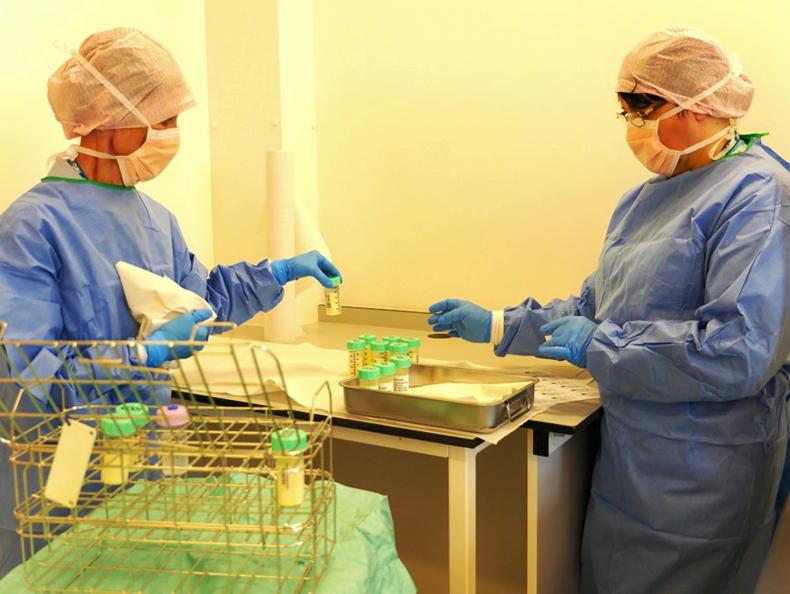
The donor milk is supplied by mothers who are breastfeeding their babies and also pumping some extra milk. The milk is then collected and pasteurised in the milk bank, and various microbiology testing and blood tests are also conducted. The milk is transported to hospital by Blood Bikes, a volunteer service who deliver medical essentials like blood and plasma to hospitals and medical centres.
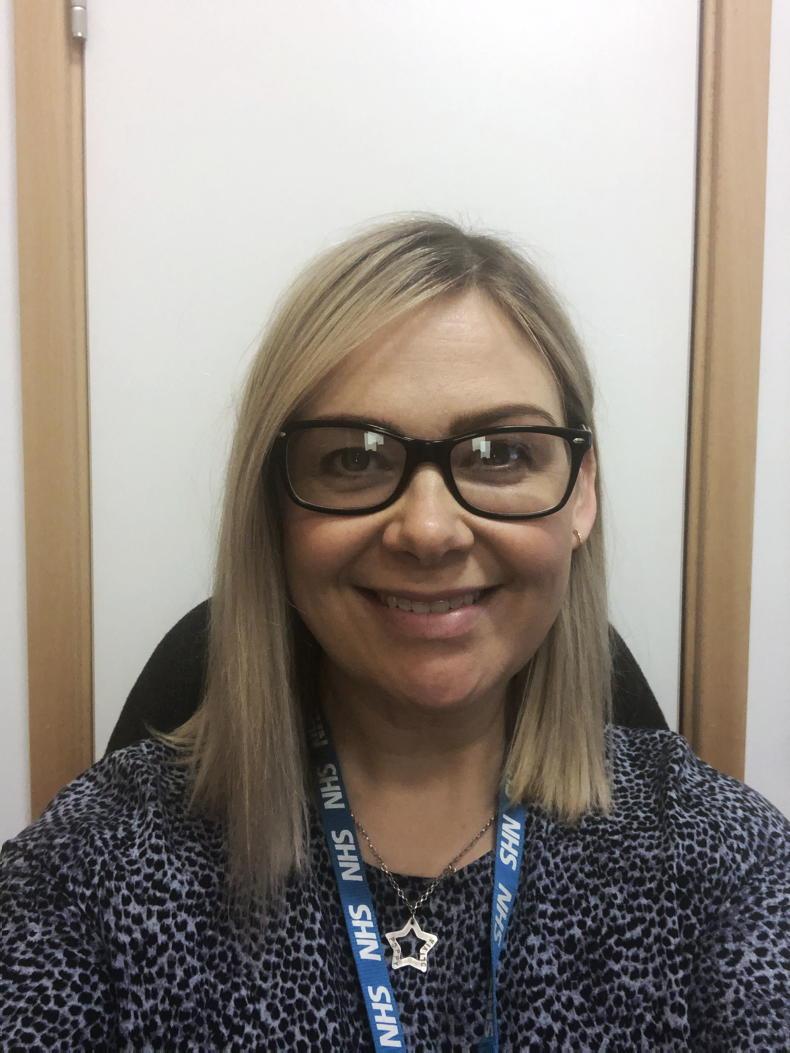
Susan Rogers, lead nurse for public health at the Western Trust, says that: “breast milk is so important for all babies.
“If babies are premature, their entire system is so immature, but you really need to give them something that takes the least amount of work for the body to digest it.
“You can imagine how distressing it is when somebody has a baby born at 24 weeks, for example. That’s a huge stress on mum. But if we can give that donor milk to bridge that little gap until she can get her milk in, then those ladies go on to breastfeed for much longer. If we didn’t give that and babies were started on formula straight away, then there is the chance that they will continue on formula.
“Anything we can do to improve breastfeeding rates is absolutely important, because it’s a public health issue.”
Susan says the milk bank averages between 200 and 300 donors per year. In 2024 the Human Milk Bank provided over 1,000 litres of donor breast milk to hospitals. The bank does not only supply to neonatal units, but also to paediatric wards for babies that have had cardiac surgery, as well as to mothers who have received a cancer diagnosis during pregnancy and have to start treatment straight away, preventing them from breastfeeding.
Susan emphasises the importance of both blood bike volunteers and continuous donors to the human milk bank. “They’re incredible. They take time, and they give away such a precious product that saves babies’ lives without a shadow of a doubt.”



SHARING OPTIONS