


The headline figure in the Department of Agriculture’s budget statement was an increase in funding of €170m to reach just over €2.3bn. Minister for Agriculture Martin Heydon said: “I am delivering substantial supports to continue the growth and expansion of the agri-food, forestry and fisheries sector. In particular, these budget measures include substantial funding for my key priorities of reducing TB, maintaining the nitrates derogation, encouraging generational renewal and supporting the tillage and livestock sectors.’’
With funding for TB accounting for half of the increase in funds, there was no real changes on the cards for other areas. Existing scheme commitments for those schemes falling under the CAP Strategic Plan continue as normal while the funding is in place to allow other schemes such as the sheep and beef welfare schemes funded by the national exchequer to continue. The following is a summary of the main schemes securing funding and the changes from last year’s budget.
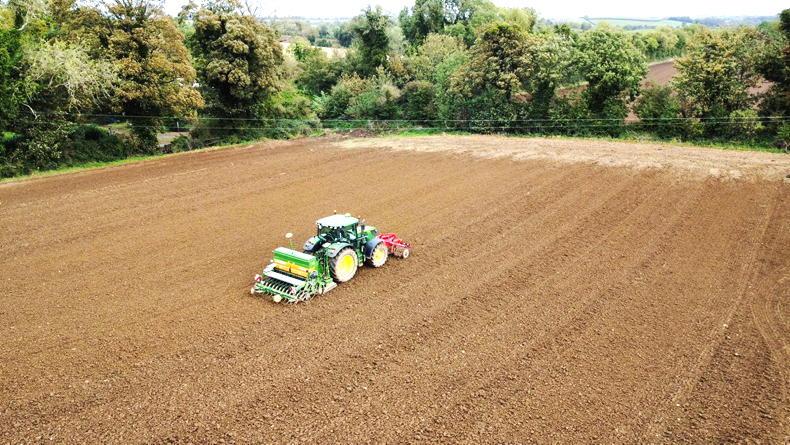
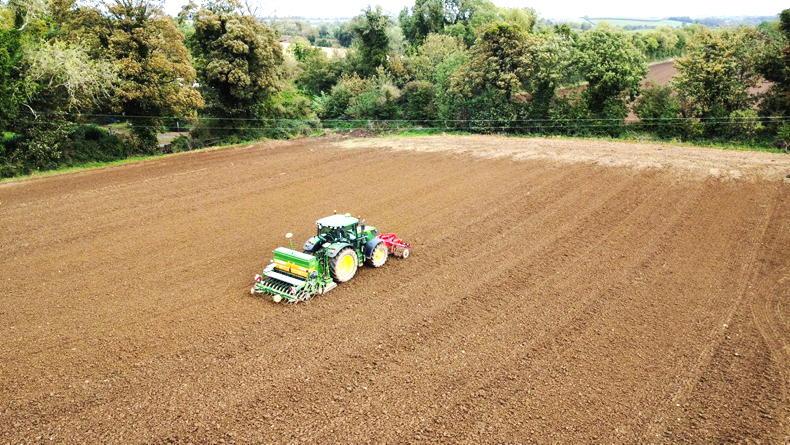
Tillage support
The funding for tillage farmers is packaged as €50m in support. €20m of this is to meet existing commitments - €10m for the Protein Aid Scheme and €10m for the Straw Incorporation Scheme – both of which are allocated under the CAP Strategic Plan 2023-2027.
The remaining €30m is for a tillage support scheme. It would be reasonable to expect this to be rolled out as a €100/ha payment for farmers who plant tillage and field grown crops for the 2026 season but Minister Heydon says he wants to review how the scheme operated and is focused on a scheme that will see payments targeted to those who need it most.
Beef and sheep schemes
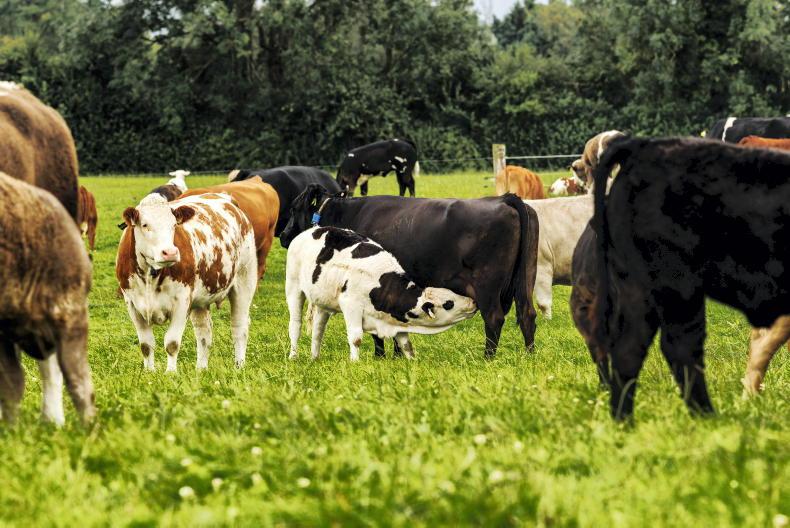
Funding for suckler, beef and sheep has been maintained at €131m. This includes funding for CAP-related scheme commitments such as the Suckler Carbon Efficiency Programme, Sheep Improvement Scheme and CSP Dairy Beef Welfare Scheme. It also allows for national exchequer-funded schemes such the National Beef Welfare Scheme, the National Sheep Welfare Scheme and the National Dairy-Beef Weighing Scheme to be rolled over.
There is no guarantee that these schemes will be rolled over in their current format, but given the work that has been completed to date in designing schemes that are broadly welcomed by farmers, one would think that there will be little change.
Funding for the National Sheep Welfare Scheme is the only one which has been itemised at €20m. This is €2m less than in Budget 2025 but this is said to be stemming from a reduced breeding flock requiring less overall funds to provide the same per ewe payment of €13 per ewe.
Funds of €28m were allocated to the National Beef Welfare Scheme in 2025 and this is likely to remain the case for 2026 with the decline in suckler cow numbers also a factor and the rate of participation likely to remain broadly the same at 24,000 herds. Payment at present is €75/calf up to 45 calves.
Dairy schemes
Dairy-related schemes fall under the banner of livestock schemes mentioned above. An additional €3.5m in funding was allocated to the CSP Dairy Beef Welfare Scheme in 2025 to allow the payment per calf to be increased from €20 to €40 per calf to incentivise farmers to use high dairy beef index sires. The maximum number of calves eligible for payment was 50 calves.
There was a strong uptake reported and the scheme is due to reopen to applications in 2026 so it is probable that at least the same funding, if not more, will be required if the payment rate remains at €40.
A €4m Dairy Beef Weighing Scheme was launched in March 2025 offering payment of €20 per calf up to a maximum of 50 per herd in return for weighing and recording of weights with ICBF. The scheme is hard to quantify the level of funds required until weights are recorded as there is a significant drop off from application to submission of weights but it is prudent to assume more than €4m may need to be allocated.
TAMS
The Targeted Agricultural Modernisation Scheme has been allocated funding of €88m for 2026. The Minister acknowledged that support to fund important investments such as slurry storage is a vital component in supporting the case for the renewal of the Nitrates Derogation.
The Minister stated that the allocation of €88m will require ‘careful management’ which denotes that ranking and selection will remain a big factor in the application process. Over 6,100 applications were submitted in the latest tranche showing the strength of demand that is present.
Organics scheme
Funding for the Organic Farming Scheme reduced from €67m in Budget 2025 to €58.6m in Budget 2026.
The reduction in funding will not have an effect on existing commitments as the level of payments are reducing as more farmers transfer from the conversion stage, which offers a higher per hectare payment, to full organic status stage while administration costs will also reduce.
The scheme will reopen in 2026 but only to specialist tillage farms. This is to service demand for an increased appetite for organic oats and feed stocks for livestock farmers.
ACRES funding
The level of funding for the Agri-Climate Rural Environment Scheme (ACRES) increased by €20m to €280m. This increase is to meet payment commitments with the scheme remaining closed to new applications.
Around €268m is required to meet core payments for the almost 53,000 farmers participating. This leaves just €12m for payments under non-productive investments and landscape actions so if there is a good uptake of these then the Department may have to look for additional funding to meet such commitments.
Forgotten farmers
It is unclear if the ‘forgotten farmers’ grouping has been forgotten in this budget. There was €5m allocated in Budget 2025 with a commitment for a further budget provision in 2026 but there is no detail on if this has been delivered.
Farm safety
The farm safety brief falls under Minister of State Michael Healy-Rae’s portfolio. Funds of €3m have been allocated to farm safety, health and wellbeing initiatives in Budget 2026 with farm safety allocated funding of €2.5m in Budget 2025.
Animal health
As already outlined the TB budget has blown a hole in plans for funding for other areas. Funding to service the Bovine Viral Diarrhoea (BVD) National Eradication Plan will likely remain in the region of €3m with no soundings of an increase in support to help farmers deal with the costs of ongoing tissue tagging.
An IBR programme was mooted in Budget 2025 and while it appears to be still on the table it may have to stay there for another while with priority given to TB.
Miscellaneous
Reports indicate the clover and multispecies swards measures which were allocated €1.5m and €1.25m, respectively in Budget 2025 are still under review. They have not been written off and a decision on their future will likely be held off for a period of time.
It is probable that the soil sampling programme has ceased.



SHARING OPTIONS