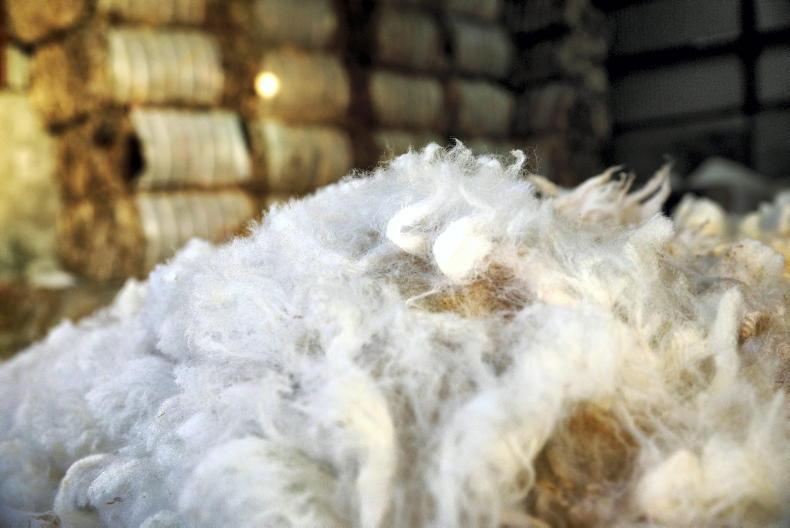
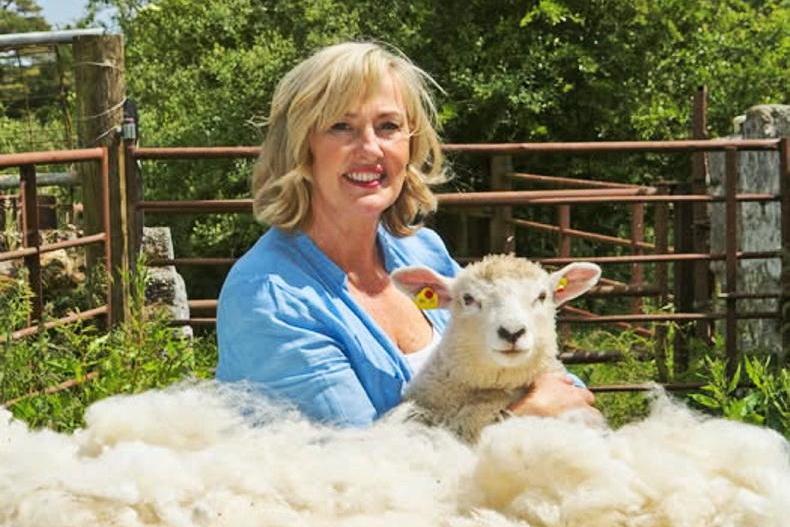
Galway Wool Co-Op wool collection at Athenry Mart, Co Galway. \ David Ruffles
ADVERTISEMENT
Research from UCD has stated there is potential to obtain almost 16% of the nitrogen applied to cereal crops in Ireland from hydrolysed sheep’s wool.
Hydrolysis uses high temperatures, acids, bases and enzymes to break down the protein and to help extract nutrients from the wool.
A study of literature by Gary Gillespie, Kevin McDonnell and Oyinlola Dada has shown that this could be done in an economically feasible manner, while paying sheep farmers a “favourable” price for the wool.
ADVERTISEMENT
The price of sheep’s wool fell by 42% from 2015 to 2018 and, so, new markets and uses are needed to add value to that wool.
Almost 1,800t of nitrogen, 1,000t of sulphur, as well as some copper and zinc, could be produced from hydrolysis of the available wool in Ireland and replace fossil-based fertilisers.
The next step in this research is to examine the variabilities in wool quality and yield.
Register for free to read this story and our free stories.
This content is available to digital subscribers and loyalty code users only. Sign in to your account, use the code or subscribe to get unlimited access.
The reader loyalty code gives you full access to the site from when you enter it until the following Wednesday at 9pm. Find your unique code on the back page of Irish Country Living every week.
CODE ACCEPTED
You have full access to the site until next Wednesday at 9pm.
CODE NOT VALID
Please try again or contact support.
Research from UCD has stated there is potential to obtain almost 16% of the nitrogen applied to cereal crops in Ireland from hydrolysed sheep’s wool.
Hydrolysis uses high temperatures, acids, bases and enzymes to break down the protein and to help extract nutrients from the wool.
A study of literature by Gary Gillespie, Kevin McDonnell and Oyinlola Dada has shown that this could be done in an economically feasible manner, while paying sheep farmers a “favourable” price for the wool.
The price of sheep’s wool fell by 42% from 2015 to 2018 and, so, new markets and uses are needed to add value to that wool.
Almost 1,800t of nitrogen, 1,000t of sulphur, as well as some copper and zinc, could be produced from hydrolysis of the available wool in Ireland and replace fossil-based fertilisers.
The next step in this research is to examine the variabilities in wool quality and yield.

If you would like to speak to a member of our team, please call us on 01-4199525.
Link sent to your email address
We have sent an email to your address. Please click on the link in this email to reset your password. If you can't find it in your inbox, please check your spam folder. If you can't find the email, please call us on 01-4199525.
ENTER YOUR LOYALTY CODE:
The reader loyalty code gives you full access to the site from when you enter it until the following Wednesday at 9pm. Find your unique code on the back page of Irish Country Living every week.
SHARING OPTIONS