


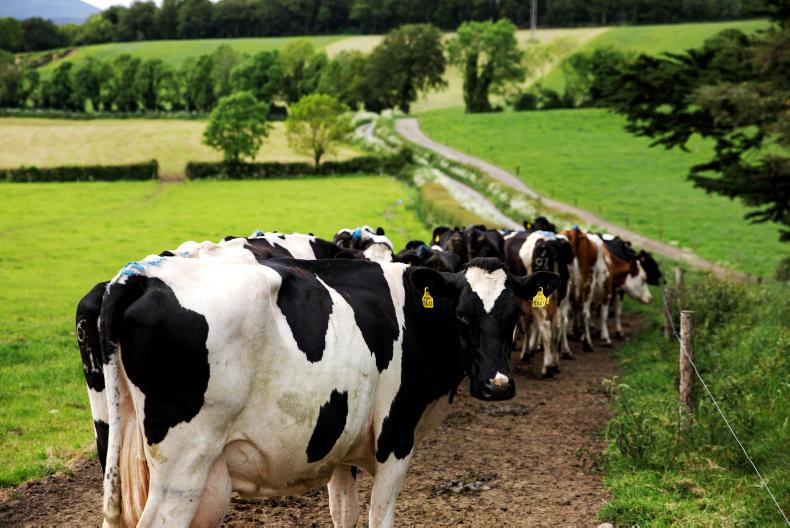
Dairy and arable enterprises in NI are becoming fewer in number and bigger in size, but the beef and sheep sector continues to stagnate.
Figures from DAERA show that the average dairy herd size in NI has been gradually moving upwards and stood at 95 cows in 2019. The figure has doubled since 1996 and is three times bigger than it was in 1981 when the average dairy herd had 31 cows.
In 2019, 36% of NI dairy herds had over 100 cows, but small units still remain in business as 12% of NI dairy farmers milked less than 20 cows last year.
The total number of dairy farms in NI has been moving in the opposite direction to average herd size. There were 3,296 dairy farms last year, which is less than half of the 6,714 farms that were producing milk in 1991.
There have been very few years when the number of new entrants to dairying was greater than those exiting the sector. The most recent exception was in 2015 when 112 more dairy farms were recorded by DAERA compared to the year previous (although that figure was probably distorted by farm businesses splitting due to new CAP rules introduced that year).
Arable
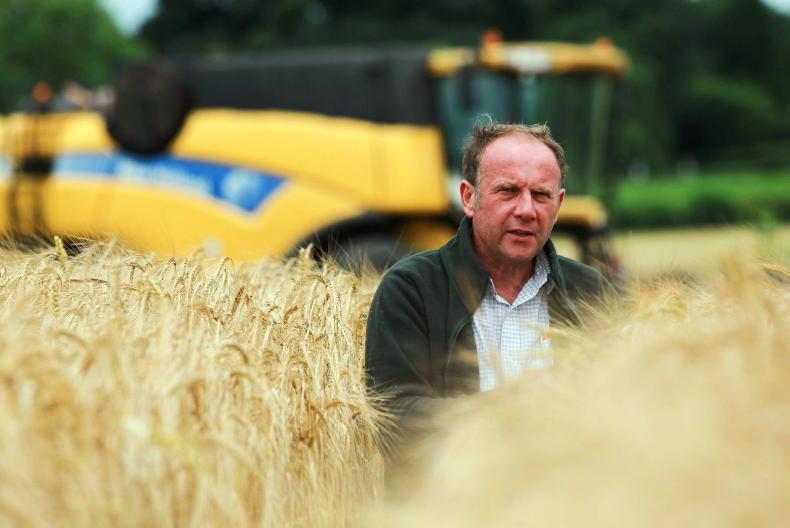
A similar pattern of consolidation is seen in the arable sector. There were 1,956 NI farms growing cereals last year across an average area of 15.2 hectares (ha). That compares to 1995 when 4,517 farmers had an average cereal area of 9.4ha and in 1981 a total of 9,448 growers averaged 6.1ha.
In 2019, only 121 cereal enterprises were over 50ha in size and 60% of cereal growers in NI had less than 10ha planted.
Potatoes have become even more specialised than cereals. There were 427 potato growers in NI last year, almost 16 times fewer than the 6,805 growers recorded in DAERA’s earliest dataset entry in 1981.
The average area planted in potatoes has increased almost fivefold over the period and stood at 8.9ha last year. Only 15 farmers grew over 50ha of potatoes last year and they accounted for one-third of the total NI potato area.
Sucklers
The average suckler herd in NI had 18 cows last year, with only 1% of suckler herds having over 100 cows and 94% had less than 50 cows.
The average herd size is virtually unchanged over the past decade and is slightly lower than the late 1990s/early 2000s when headage payments saw total suckler numbers peak and the average herd had 19 cows.
In general, there has been a slow decline in the number of farmers keeping suckler cows in NI. There were 14,156 suckler herds last year, which compares to 17,874 in 1998 and 21,152 in 1981.
The trends indicate that the ongoing decline in total suckler cow numbers in NI is a result of herd keepers exiting the sector altogether, as opposed to reducing herd sizes.
Sheep
In the sheep sector, the average breeding ewe flock also peaked at the time of headage payments in 1998 when it stood at 126 ewes. The figure has generally been coming down since then and the average flock in NI had 97 ewes last year.
There were 9,694 farms with sheep in NI during 2019 and only 24 farms had over 1,000 ewes. The total number of farms with breeding ewes has moved up and down over the years, peaking in 1991 at 12,806 flocks and bottoming out at 8,348 in 2010.
The figure increased for most of the past decade and a notable jump of 461 new flocks was recorded in 2015.
Pigs and poultry
Looking to the intensive livestock sectors, across the 297 broiler units in NI, the average site has 51,689 birds. Laying hen units are smaller, with the 278 units in NI averaging 17,981 birds. Only nine farms have over 50,000 hens.
The poultry sector has consolidated over the years with the number of commercial farms reducing by almost tenfold over the past four decades, while the total number of birds has more than doubled to 24.8m.
It is a similar, but even more pronounced trend in the pig sector. The total number of farms with breeding sows has reduced by more than 25-fold from the early 1980s.
Last year, there were 273 breeding sow units in NI. While the average unit had 173 sows, there were 35 farms that had over 300 sows, and together they account for 69% of all sows in NI.
Average cow numbers on NI dairy farms have doubled over the past 25 years, while the size of the average suckler herd is almost unchanged.
Over the years, milk producers have generally been more profitable and in a better financial position to expand. Output per cow has also increased, with average yields up by almost 2,000l since the turn of the century to 7,618l last year.
Despite everyone knowing at least one recent convert to dairying, it is noteworthy that those exiting dairy farming outnumber new entrants in most years. It suggests that going forward, NI dairy farms will continue the trend of getting bigger and fewer in number.
In the suckler sector, the lack of profitability and the part-time nature of most farms means expansion is not feasible from an economic or labour point of view.
Farm support payments and off-farm incomes have insulated suckler farmers financially and led to fewer herd keepers quitting sucklers than would be expected. Options are limited for other enterprises on most suckler and sheep farms, which also prevents changes in farm type.
Looking forward, unless the profitability equation changes, suckler herds will continue to stagnate, or even reduce in size and decline in overall number.
However, new farm support schemes that incentivise farmers to keep livestock through either minimum stocking rates or headage-based payments could slow down or even reverse this trend.
Alternatively, policies that aim to reduce greenhouse gas emissions by cutting livestock numbers would accelerate it.
NI farm sizes compared across regions
The average farm in NI is 41ha in size, which equates to just over 101 acres. It compares to 81ha across the UK and 32ha in the Republic of Ireland (ROI).
DAERA’s Statistical Review of NI Agriculture states that the average dairy herd in NI (95 cows) is similar to the UK average of 96, but well ahead of the ROI average of 76.
Sucklers
Suckler herds average 18 cows in NI, 15 in ROI and 28 in the UK.
The same pattern is seen in the sheep sector, with NI farms averaging 202 ewes and lambs, ROI is on 140 and the UK is ahead again on 429.
Across the regions, NI has the smallest average cereal area of 15ha, compared to 27ha in ROI and 64ha across the UK. But NI has larger pig units averaging 1,858 sows and pigs, compared to 1,234 in ROI and 457 in the UK.
The UK average for broiler units of 53,762 birds is slightly bigger than the NI average (51,689) and is well ahead of ROI’s average of 15,400 birds.




SHARING OPTIONS