This is a hot topic and I think the advice needs to vary from farm to farm and even from field to field. Fields that were burned up in the drought (more brown/yellow than green) will have a good bit of background nitrogen in the soil – in the region of 20 units/acre. About 50% of the nitrogen spread in June is still available and about 80% of the nitrogen spread in July is still available. Add what background nitrogen is available in the soil and what is remaining from that spread in June and July together. In most cases there will be enough nitrogen available for growth now. You should not spread if it means there will be more than 50 units/acre available. The risk is sour grass and/or nitrate poisoning. I would resume spreading 20 units/acre in a week or 10 days’ time when there will be a higher return from fertiliser and less risk of excess nitrogen. The return from nitrogen will be better when there is a cover of grass on the farm. On fields that stayed green and growing during the drought, fertiliser strategy shouldn’t deviate from normal.
Feed
ADVERTISEMENT
On farms badly affected by drought, the next few weeks will be tough. Getting the rain has been great, but be prepared to wait for the grass to come. The recovery has been slow. Hopefully we will continue to get rain to keep the recovery on track but next week is looking dry. However, daylight hours are getting shorter so the intense drying that was there in June and July won’t be as big of a problem. You must continue to supplement hard until the grass recovers. This is a really expensive time as feed bills are mounting and silage is disappearing, plus, milk yield seems to have dropped since the rain came. Resist the temptation to take the foot off the brake too soon. By keeping the rotation as slow as possible now you are giving the farm every chance to be in a grass surplus in a month or six weeks’ time. However, farms that have a high average farm cover (more than 550kg/ha) and are growing well (more than 50kg/day) need to drop the meal out soon. There’s no gain from feeding when you have enough grass. Cows will use the meal for producing milk or body condition and still eat the grass. On a lot of farms, the July milk supply will be the same as June, when you would normally expect a decline of 5% to 10%. In most cases this year, when you work out the value of the extra milk and deduct the cost of the extra meal, the extra milk will only cover half of the cost of the extra meal. This is before silage costs are taken into account.
Fodder crops
It’s now or never for the fodder crops or fast-growing grass options. Seed supplies are scarce so if you’re on the fence about it you had better act quickly. I’m told there is plenty of hybrid grass available which will grow much the same as westerwolds or Italian Ryegrass.
Register for free to read this story and our free stories.
This content is available to digital subscribers and loyalty code users only. Sign in to your account, use the code or subscribe to get unlimited access.
The reader loyalty code gives you full access to the site from when you enter it until the following Wednesday at 9pm. Find your unique code on the back page of Irish Country Living every week.
CODE ACCEPTED
You have full access to the site until next Wednesday at 9pm.
CODE NOT VALID
Please try again or contact support.
Fertiliser
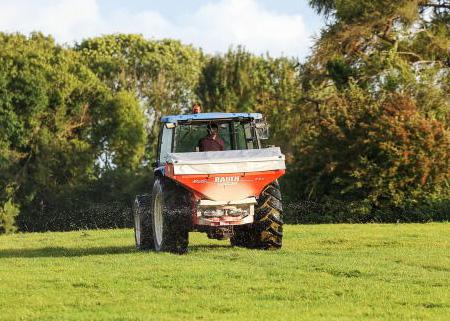
This is a hot topic and I think the advice needs to vary from farm to farm and even from field to field. Fields that were burned up in the drought (more brown/yellow than green) will have a good bit of background nitrogen in the soil – in the region of 20 units/acre. About 50% of the nitrogen spread in June is still available and about 80% of the nitrogen spread in July is still available. Add what background nitrogen is available in the soil and what is remaining from that spread in June and July together. In most cases there will be enough nitrogen available for growth now. You should not spread if it means there will be more than 50 units/acre available. The risk is sour grass and/or nitrate poisoning. I would resume spreading 20 units/acre in a week or 10 days’ time when there will be a higher return from fertiliser and less risk of excess nitrogen. The return from nitrogen will be better when there is a cover of grass on the farm. On fields that stayed green and growing during the drought, fertiliser strategy shouldn’t deviate from normal.
Feed
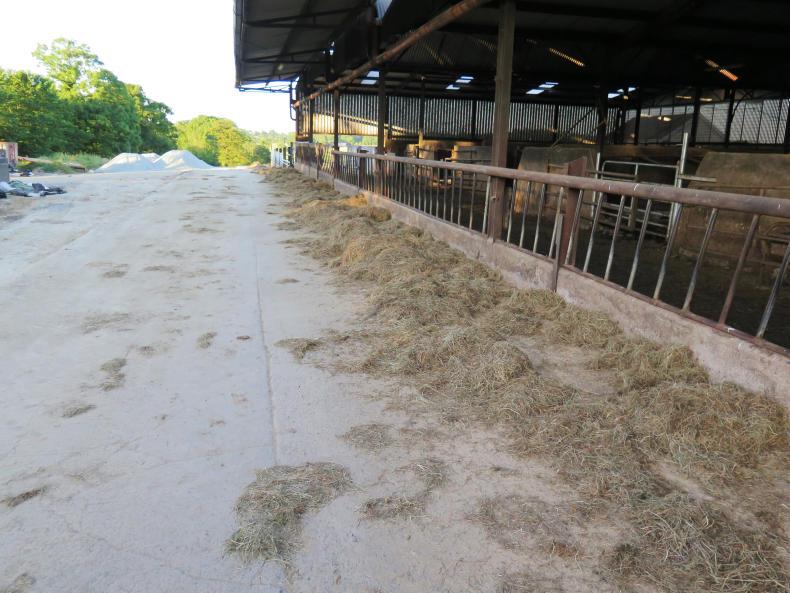
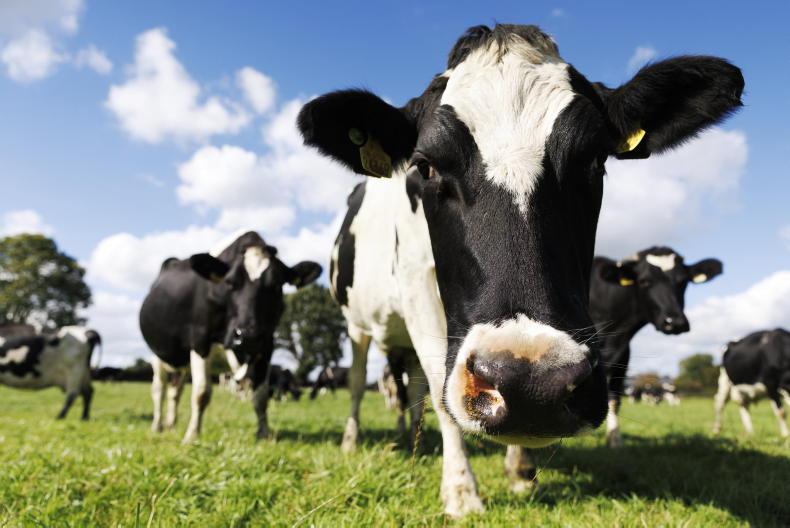
On farms badly affected by drought, the next few weeks will be tough. Getting the rain has been great, but be prepared to wait for the grass to come. The recovery has been slow. Hopefully we will continue to get rain to keep the recovery on track but next week is looking dry. However, daylight hours are getting shorter so the intense drying that was there in June and July won’t be as big of a problem. You must continue to supplement hard until the grass recovers. This is a really expensive time as feed bills are mounting and silage is disappearing, plus, milk yield seems to have dropped since the rain came. Resist the temptation to take the foot off the brake too soon. By keeping the rotation as slow as possible now you are giving the farm every chance to be in a grass surplus in a month or six weeks’ time. However, farms that have a high average farm cover (more than 550kg/ha) and are growing well (more than 50kg/day) need to drop the meal out soon. There’s no gain from feeding when you have enough grass. Cows will use the meal for producing milk or body condition and still eat the grass. On a lot of farms, the July milk supply will be the same as June, when you would normally expect a decline of 5% to 10%. In most cases this year, when you work out the value of the extra milk and deduct the cost of the extra meal, the extra milk will only cover half of the cost of the extra meal. This is before silage costs are taken into account.
Fodder crops
It’s now or never for the fodder crops or fast-growing grass options. Seed supplies are scarce so if you’re on the fence about it you had better act quickly. I’m told there is plenty of hybrid grass available which will grow much the same as westerwolds or Italian Ryegrass.
If you would like to speak to a member of our team, please call us on 01-4199525.
Link sent to your email address
We have sent an email to your address. Please click on the link in this email to reset your password. If you can't find it in your inbox, please check your spam folder. If you can't find the email, please call us on 01-4199525.
ENTER YOUR LOYALTY CODE:
The reader loyalty code gives you full access to the site from when you enter it until the following Wednesday at 9pm. Find your unique code on the back page of Irish Country Living every week.







SHARING OPTIONS