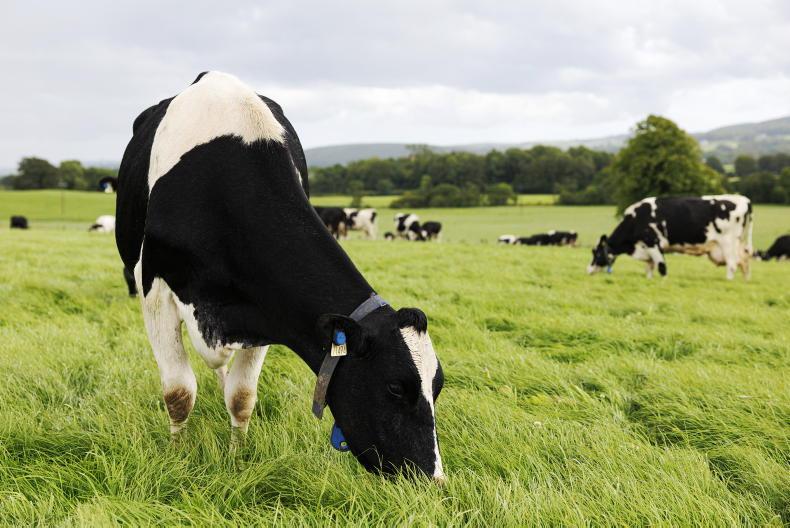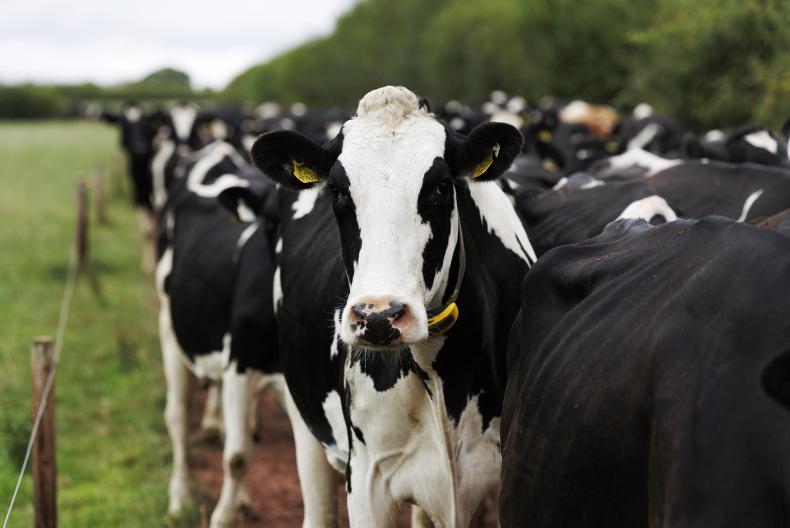
Ground conditions became challenging again over the weekend for many, as heavy rain fell once again.
The west of the country in particular received well above average rainfall, and as a result grazing was paused on most farms.
Heavier farms are now at saturation point, but thankfully settled weather is expected over the coming week.
This should allow farms to continue grazing in an effort to get through farm area grazed.
The spring rotation target now is 70% of the platform area grazed on drier farms and over 40% for heavy farms.
With most farms behind target, it will be necessary to get back to on/off grazing where full-time grazing is not possible.
It’s been a tough start to the year and no doubt any farmers who have been operating with on/off grazing over the last six weeks are starting to get tired of the work involved.
However, sticking to it and getting grass into cows is so important now both from a cost and cow health point of view.
Equally important is the need to get paddocks grazed and regrowing for the second rotation, which is less than three weeks away for many.
Ahead of target
On farms that have managed to continue grazing hard and are ahead of target, of which there aren’t many, readjustment will be required.
AFC should not be below 750-800kg DM/ha at the moment. That’s because the farm needs a cover of 600kg DM/ha starting the second round.
If the normal start date for the second round is the first week of April, that’s 15 days from now. In this scenario, the farm can only afford to lose 10kg DM/ha per day off AFC, over the next 15 days.
Most herds will have a lot of cows calved at this stage, meaning demand for grass could be anywhere from 20-40kg DM/ha per day.
At a mid-point of 30kg, the farm needs to grow at least 20kg DM/ha per day to match demand and prevent going below the 600kg DM/ha.
A calculation is needed but, if the herd demand is high and growth is low, supplement should be fed this week to slow cows down.
Sward watch
Keep cows grazing as much as possible to get through area grazed.Targets for this time of year are 70% grazed on dry farms and greater than 40% on heavier farms.Manage AFC over the coming week. Calculate daily demand versus growth rates and work back off the planned start of the second round. This will decide how much supplement is required.Ballyhaise, Co Cavan
We’ve 72% of the herd calved to date, four weeks on from the due calving start date. We’ve been out grazing since 24 February, with on/off grazing being used for the first few weeks. We have no full-time grazing done yet but when the weather is dry, we get them out by day for a full grazing and out for at least three hours in the evening. So far, we have 16% of the farm area grazed which is behind target but there’s very little we could have done with the way weather came in February. We’ll have 23 units/acre of protected urea out by the end of this week. The plan at the moment is to start the second round around 20 April.
Stocking rate (LU/ha): 1.73Growth (kg/ha): 12Average farm cover (kg/ha): 920Yield (l/cow): 22Fat (%): 5.1Protein (%): 3.56Milk solids (kg/cow): 1.96Concentrates (kg/cow): 3Ardee, Co Louth
We’ve 85% of the herd calved to date and they are out grazing by day since the beginning of March. We had a very wet February and this farm can be very challenging in such conditions. There’s plenty of grass on the farm and it’s just a matter of getting grazing full-time. We’ve 20% of the farm area grazed to date and we’ll be hoping to really get through area and cover as the weather settles. The plan is to start the second rotation around 20 April so there’s plenty of time to get through ground. There’s 35 units of nitrogen/acre going out this week and we plan to get around 2,000 gallons/acre of watery slurry out on paddocks that are grazed so far.
Stocking rate (LU/ha): 2.81Growth (kg/ha): 12Average farm cover (kg/ha): 950Yield (l/cow): 27Fat (%): 5.09Protein (%): 3.35Milk solids (kg/cow): 2.34Concentrates (kg/cow): 5Kilworth, Co Cork
The cows are out full-time since the start of this week. They had been on/off grazing up to this point but ground conditions have improved a lot over the last ten days.
We have 45% of the farm area grazed today so we are about a week behind our target which would normally be over 60% for the time of year. On the paddocks grazed first there are covers of around 650kg DM/ha back so we’re happy enough.
Everything that’s been grazed has gotten slurry and half the farm has gotten 30 units of N/acre. We’ll go again with another 30 units/acre before the end of March. There is 88% of the herd calved and the diet is 14kg of grass plus 3kg of meal.

Stocking rate (LU/ha): 2.17Growth (kg/ha): 27Average farm cover (kg/ha): 970Yield (l/cow): 27Fat (%): 5Protein (%): 3.61Milk solids (kg/cow): 2.2Concentrates (kg/cow): 3
Ground conditions became challenging again over the weekend for many, as heavy rain fell once again.
The west of the country in particular received well above average rainfall, and as a result grazing was paused on most farms.
Heavier farms are now at saturation point, but thankfully settled weather is expected over the coming week.
This should allow farms to continue grazing in an effort to get through farm area grazed.
The spring rotation target now is 70% of the platform area grazed on drier farms and over 40% for heavy farms.
With most farms behind target, it will be necessary to get back to on/off grazing where full-time grazing is not possible.
It’s been a tough start to the year and no doubt any farmers who have been operating with on/off grazing over the last six weeks are starting to get tired of the work involved.
However, sticking to it and getting grass into cows is so important now both from a cost and cow health point of view.
Equally important is the need to get paddocks grazed and regrowing for the second rotation, which is less than three weeks away for many.
Ahead of target
On farms that have managed to continue grazing hard and are ahead of target, of which there aren’t many, readjustment will be required.
AFC should not be below 750-800kg DM/ha at the moment. That’s because the farm needs a cover of 600kg DM/ha starting the second round.
If the normal start date for the second round is the first week of April, that’s 15 days from now. In this scenario, the farm can only afford to lose 10kg DM/ha per day off AFC, over the next 15 days.
Most herds will have a lot of cows calved at this stage, meaning demand for grass could be anywhere from 20-40kg DM/ha per day.
At a mid-point of 30kg, the farm needs to grow at least 20kg DM/ha per day to match demand and prevent going below the 600kg DM/ha.
A calculation is needed but, if the herd demand is high and growth is low, supplement should be fed this week to slow cows down.
Sward watch
Keep cows grazing as much as possible to get through area grazed.Targets for this time of year are 70% grazed on dry farms and greater than 40% on heavier farms.Manage AFC over the coming week. Calculate daily demand versus growth rates and work back off the planned start of the second round. This will decide how much supplement is required.Ballyhaise, Co Cavan
We’ve 72% of the herd calved to date, four weeks on from the due calving start date. We’ve been out grazing since 24 February, with on/off grazing being used for the first few weeks. We have no full-time grazing done yet but when the weather is dry, we get them out by day for a full grazing and out for at least three hours in the evening. So far, we have 16% of the farm area grazed which is behind target but there’s very little we could have done with the way weather came in February. We’ll have 23 units/acre of protected urea out by the end of this week. The plan at the moment is to start the second round around 20 April.
Stocking rate (LU/ha): 1.73Growth (kg/ha): 12Average farm cover (kg/ha): 920Yield (l/cow): 22Fat (%): 5.1Protein (%): 3.56Milk solids (kg/cow): 1.96Concentrates (kg/cow): 3Ardee, Co Louth
We’ve 85% of the herd calved to date and they are out grazing by day since the beginning of March. We had a very wet February and this farm can be very challenging in such conditions. There’s plenty of grass on the farm and it’s just a matter of getting grazing full-time. We’ve 20% of the farm area grazed to date and we’ll be hoping to really get through area and cover as the weather settles. The plan is to start the second rotation around 20 April so there’s plenty of time to get through ground. There’s 35 units of nitrogen/acre going out this week and we plan to get around 2,000 gallons/acre of watery slurry out on paddocks that are grazed so far.
Stocking rate (LU/ha): 2.81Growth (kg/ha): 12Average farm cover (kg/ha): 950Yield (l/cow): 27Fat (%): 5.09Protein (%): 3.35Milk solids (kg/cow): 2.34Concentrates (kg/cow): 5Kilworth, Co Cork
The cows are out full-time since the start of this week. They had been on/off grazing up to this point but ground conditions have improved a lot over the last ten days.
We have 45% of the farm area grazed today so we are about a week behind our target which would normally be over 60% for the time of year. On the paddocks grazed first there are covers of around 650kg DM/ha back so we’re happy enough.
Everything that’s been grazed has gotten slurry and half the farm has gotten 30 units of N/acre. We’ll go again with another 30 units/acre before the end of March. There is 88% of the herd calved and the diet is 14kg of grass plus 3kg of meal.
Stocking rate (LU/ha): 2.17Growth (kg/ha): 27Average farm cover (kg/ha): 970Yield (l/cow): 27Fat (%): 5Protein (%): 3.61Milk solids (kg/cow): 2.2Concentrates (kg/cow): 3
SHARING OPTIONS