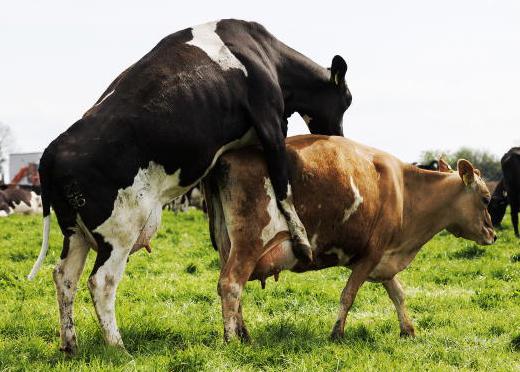
All dairy farmers that started breeding in the last days of April are now nearing the end of the first three-week period.
As everyone knows, the cow reproductive cycle is three weeks, so monitoring breeding performance is typically done in three-week cycles.
The first target is to submit 90% of the herd for AI in the first three weeks and for 60% of these cows to conceive in that period.
Therefore, after the first three-week period, there should be 54% of the total herd pregnant.
The same targets are in place for the next three-week period. At this stage, there are 46% of the herd not in-calf and 90% of these should be submitted for AI and 60% of these should hold, meaning another 25% of cows go in-calf in the second three-week period.
Target
That means 79% of the herd should be in-calf after six weeks of breeding. This is short of the 90% to calve in six weeks target, but that target includes heifer calvings also.
Now, it’s important to note that getting a 60% conception rate is a bit of a stretch and more typically it’s closer to 55% and in practice this lowers the percentage in-calf after each three-week period.
Ultimately, it’s far too early to know whether cows have conceived or not, but after three weeks of breeding it should be possible to know the non-return rates.
These are the percentage of cows that were inseminated and did not repeat. Just because they didn’t repeat doesn’t necessarily mean that they’re in calf but it’s a good indicator.
A good place to be in terms of non-return rate is around 60% or above. If the non-return rate is below the target conception rate, farmers should be asking questions.
There are lots of possible causes as to why conception rate is lower than target. The following are some possible causes worth investigating;
If worried about fertility performance talk to your farm advisor, vet and AI technician/AI company to come up with a plan for further investigation.