



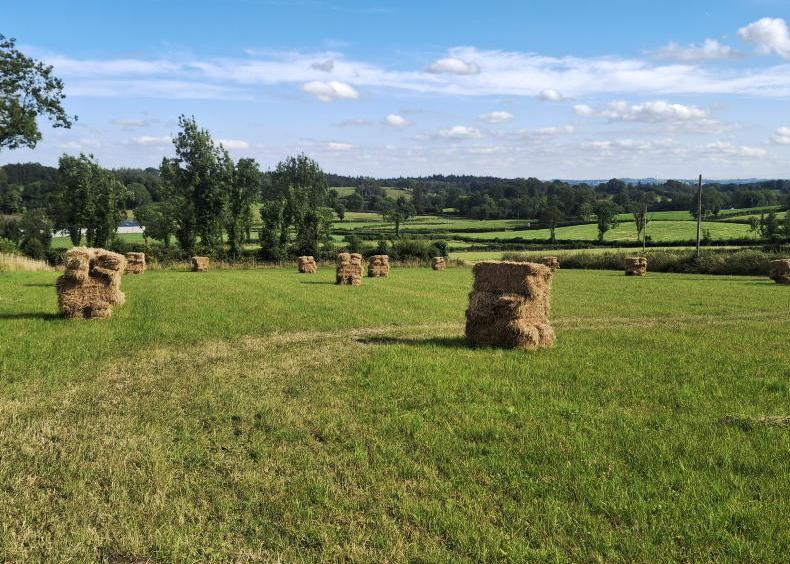
The grass is certainly flying it here in Abbeyleix. Growth came in at 79kg DM/ha last week after hitting 96kg DM/ha the previous week, so there is no shortage of grass on the farm at the minute. The challenge has been trying to get surplus paddocks cut for bales.
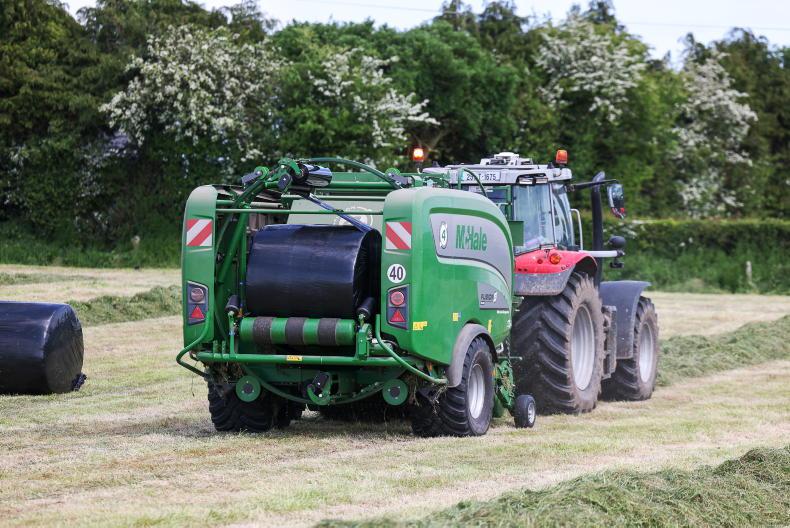
I’ve had four paddocks earmarked for baling for the past fortnight, but they still haven’t been cut. Every time a weather window appears, it seems to disappear just as quickly. At this stage I think I am going to have to take a chance and cut them this week, even if conditions are not ideal. A few light showers would be manageable, but if the heavier rain continues for another week, I could find myself getting too tight for grass. The paddocks are already a week later than I would like, and quality will only deteriorate further if they are left standing.
The stocking rate on the milking platform is currently 4.42LU/ha, with demand running at 75kg DM/ha. Growth should continue to stay ahead of demand given the amount of moisture in the ground and the forecast for more rain before the weekend. Temperatures are also expected to climb back towards 20°C, which should keep grass growing strongly.
Milk production has slipped slightly over the last few collections. Yield is back to around 25l/cow, while protein has eased to 3.68%. It’s disappointing to see, but not entirely unexpected. Grass is at the heading-out stage and it becomes increasingly difficult to maintain quality, even when surplus paddocks are being removed. The periods of heavy rain have not helped matters either.
To stay ahead of quality issues, I have started pre-mowing paddocks this week. Pre-grazing covers are now up around 1,600kg DM/ha. Ideally, I would prefer them to be a little lower, but I cannot afford to remove many more paddocks for bales without risking a grass shortage later on. The paddocks being pre-mowed are still relatively leafy and of good quality. I prefer to tackle them early before stem develops, ensuring cow performance is not affected. Any paddocks that have become stemmier are left for bales rather than being pre-mowed.
The silage ground received 2,000 gallons per acre of slurry last week once the worst of the heavy rain had passed. This week I followed up with two bags per acre of 27N plus 4% sulphur. The plan is to target a light second cut of high-quality silage. We already have plenty of winter feed secured, with a good reserve in the pit and over 100 bales in the yard. Some of the silage blocks should also deliver a third cut later in the season, so quality rather than quantity is the main objective.
Once two of the paddocks earmarked for bales are cut, they will be going into reseeding. The plan is to allow them to green up before spraying them off a week or two after harvesting. Maintaining high-performing swards is important, particularly on a heavily stocked platform.
We also have a number of paddocks and silage fields marked out for dock control. I am hoping to get these sprayed over the coming weeks, weather permitting. Docks have become more noticeable in certain areas and it is important to tackle them before they gain any further ground.
Another busy period on the farm has come to an end with all breeding bulls now sold and gone to their new homes. Demand was strong again this year, which is encouraging to see. I would like to thank everyone who purchased bulls from us and wish them the very best with them in their own herds.
The maiden heifers with the contract rearer were scanned earlier this week and just over 50% were confirmed in-calf from the synchronisation programme using sexed semen. I am happy with that result. The repeat animals are all now served two weeks, meaning they should still calve down early next season. These repeats also received sexed semen, and it will be interesting to see how conception rates compare. As they were bred off natural heats, I would expect performance to improve.
Overall, grass management remains the main focus for the coming week. Growth is exceptional, but getting the balance right between maintaining quality, taking out surplus grass and staying ahead of demand is proving difficult. A settled spell of weather would certainly make life easier, but for now it is a matter of working with the conditions we have and making the best decisions possible.



SHARING OPTIONS