




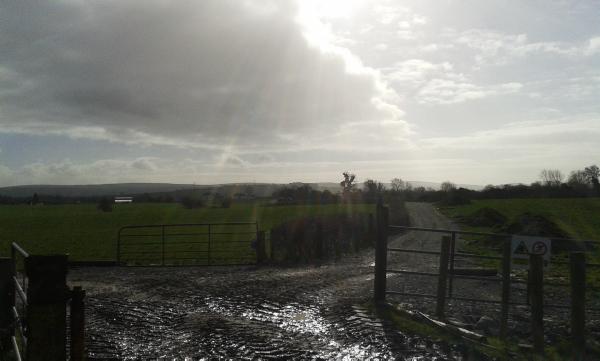

The prolonged wet spell at the beginning of Spring seems like a distant memory, as we welcome this forecasted heavy band of rain. Met Éireann has issued a weather warning for the Midlands and East.
It’s a pity it all has to fall in a 24-hour period, but "beggars can’t be choosers". We have escaped any substantial precipitation over the past few weeks, resulting in a significant soil moisture deficit. Grass growth has steadily dropped week on week to a low of 21 kg/ha and, in the space of a month, we have gone from a grass surplus to deficit.
Mistakes
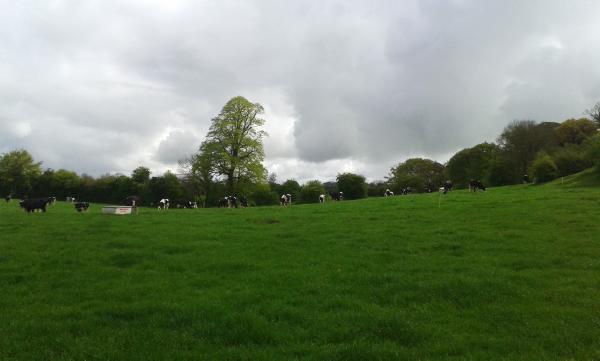
With demand set at 43 kg/ha on the milking platform, we are only growing half the amount of grass required to maintain our rotation. The deficit is also partially self-inflicted. We burned-off 10 acres for reseeding, didn’t fertilize three paddocks of after-grass and let five acres of high covers ‘bulk up’ for silage instead of cutting immediately.
I have to hold my hand up at this point. Although I was measuring grass at least once a week, I didn’t use the information to make appropriate and timely decisions - a cardinal sin of grassland management. We were spoilt with exceptional grass growing conditions up to this point and a certain amount of complacency set-in. Mistakes were made, but there was no need to panic. The question was what could we do to alleviate the deficit?
Recovery
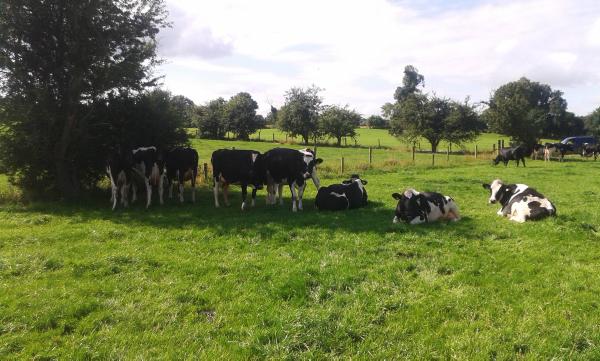
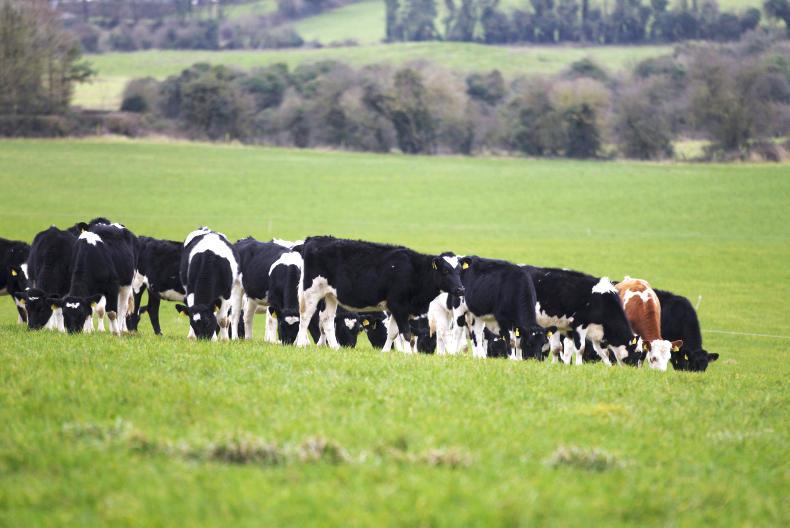
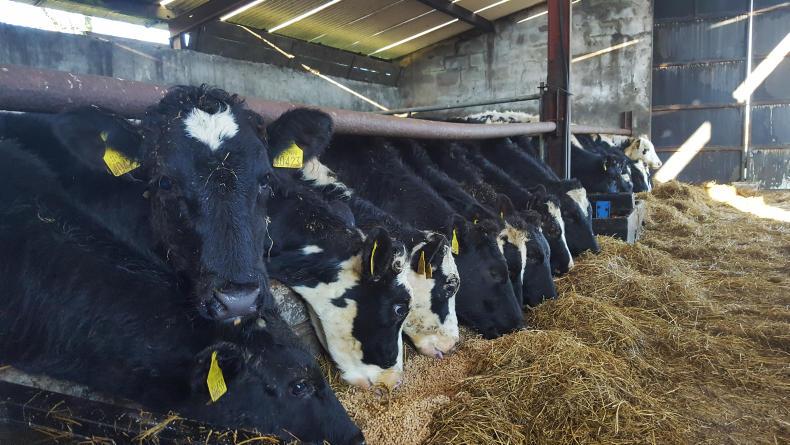
Our first instinct, when we noticed that we had a concave grass wedge, was to extend our rotation by increased supplementation. However, after listening to all available advice and recalling past experiences, we decided to maintain our rotation at 18days and allow the cows eat into our average farm cover (AFC). After three weeks we reduced our AFC from 599kg/ha to 390kg/ha. As soon as the AFC dropped below 400kg/ha, we began supplementation. Cows are now offered 3kg of meal, as well as access before and after milking to our highest DMD silage (baled in mid-May).
We won’t be able to perform the miracle of the loaves and fishes, but it will allow us to increase our rotation to at least 25days, thereby recovering our pre-grazing yield to acceptable levels. This method of drought management might seem counter intuitive. Why not start supplementation immediately?
The idea is to fully utilize all available pasture before commencing supplementation, so as to minimize grass wastage and maintain sward quality. If supplementation begins too early, silage and meal (higher cost, lower quality feed) can displace grass (lower cost, higher quality feed), which may result in decreased grass utilization, as well as production losses and feed cost expense. Putting the theory into practice doesn’t always have a satisfactory outcome, but I think this concept makes a lot of sense.
The one thing I really dislike is cows wasting grass, so hopefully this method of drought management benefits both the cows and the grass. We have to monitor the situation closely as mid-August is approaching fast and we will need to start building grass covers shortly.
Butterfat
This week, we received our mid-year milk performance report from ICBF. From January to June, based on data supplied by Glanbia, we supplied 124,967 litres at an average of 3.38% protein and 3.8% fat (257kg of milk solids per cow).
Our butterfat production to date has been disappointing. We have tried everything from increasing the fibre content of the cows diet by hay and straw supplementation, as well as the amount of magnesium offered. Our relatively high protein output would suggest that the issue is not energy related and dung consistency is good, ruling out acidosis. From a financial perspective, protein is worth almost three times that of fat. Obviously, I wouldn’t want it the other way around.
However, the low butterfat content of our milk is reducing our overall milk solid output, so I’d prefer to get to the bottom of the issue. More research is required. Currently, our cows are producing 18 litres of milk at 3.61% protein and 3.81% fat, with a TBC of 2 and SCC of 70.
Fixed Milk Price Scheme
In other co-op related news on our farm, we were recently allocated 70,000 litres of milk per year in the latest GIIL Index-linked Fixed Milk Price Scheme. In straightforward terms, this means that in total we are guaranteed to receive 33.6c/l for 210,000 litres of our milk from March 2014 to February 2017. We applied for the maximum allowable (100% of our quota (212,000litres x 3years = 636,000litres) because all the indications were that the scheme would be over-subscribed and we would only get a percentage of what we sought. This turned out to be the case. Existing suppliers, who already had taken part in previous phases of the scheme were given priority. Hopefully, next time around, we will receive a greater proportion of the pie to minimise our exposure to the risk of milk price fluctuations.
The reduction in workload this month, allowed my father and I to undertake the new ‘Best Practice in Milking’ course offered by the Farm Relief Service, in conjunction with Teagasc and AHI. It is a two day, Level 6, FETAC/QQI certified programme, which touches on all aspects of milk harvesting from teat preparation, to machine wash-up. The cost of the course was €250 each. I would definitely recommend it to both new entrants and existing dairy farmers. The training technicians will show you how to milk with alternate hands on opposite sides of the parlour to prevent repetitive strain injury. We will be assessed shortly on what we learned over the two days, fingers crossed we reach the required standard.
One more week until the Tullamore Show. It is amazing how quickly the year has passed. Best of luck to everyone participating and stewarding at the show. Like all things farming related, the weather will have a major impact on the day. Hopefully the rain clouds stay away that day, but not for too long thereafter!



SHARING OPTIONS