The chances of contracting bird flu are higher in winter. \ Ramona Farrelly
ADVERTISEMENT
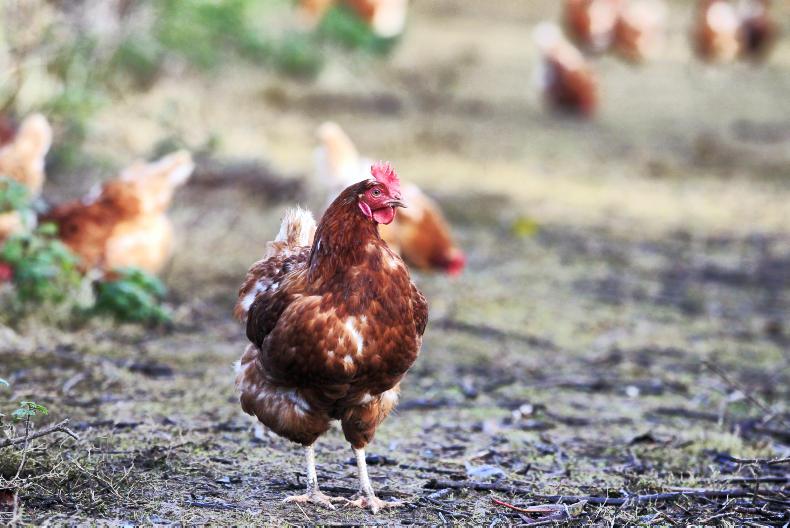
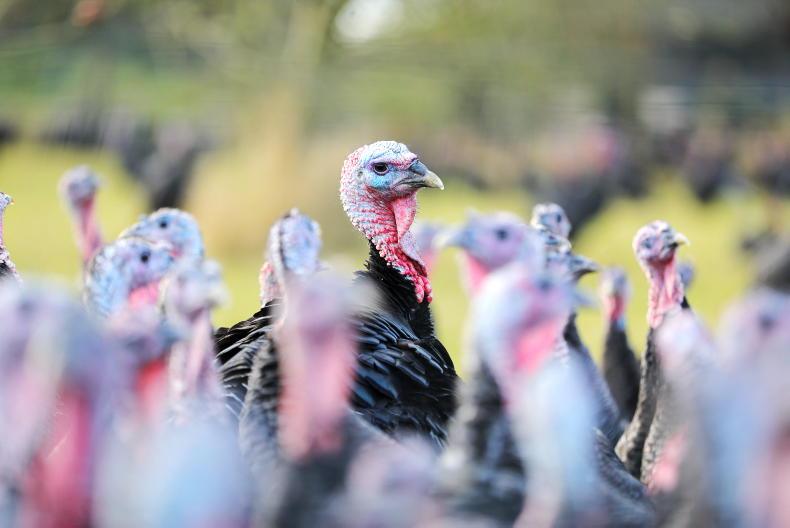
The Department of Agriculture has issued a warning to be vigilant about the risk of avian influenza (bird flu) this winter. There is a greater risk of bird flu spreading in Ireland in winter as wild migrating birds return for the season
Signs of avian influenza include
Death / high mortalities in a flock.
Depression/lethargy.
Loss of appetite.
Respiratory distress such as gaping beak, coughing, sneezing, gurgling or rattling.
Blue discolouration of combs, wattles, neck and throat.
Diarrhoea.
Reduced/no eggs production.
Biosecurity advice
ADVERTISEMENT
People:
Wear disposable or dedicated outer clothing when in contact with your birds.
Wear boots that can be disinfected, disposable gloves and wash hands after contact with poultry.
Only allow essential personnel access to your birds.
Buildings and equipment
Regularly clean and disinfect hard surfaces such as paths and walkways.
Provide clean boot washing and disinfection facilities at all entrances/exits and ensure that people use them.
Clean and disinfect any vehicles or equipment that come into contact with the birds after use.
Have suitable pest control in place.
Earlier this month, the French authorities confirmed an outbreak of low pathogenic bird flu in a flock of 2,600 free-ranging mallard ducks in central France.
The birds did not display any signs of disease. The affected farm kept mallards for the purposes of hunting. The outbreak in France represents the first recording in the high-risk period for the disease in 2019.
Register for free to read this story and our free stories.
This content is available to digital subscribers and loyalty code users only. Sign in to your account, use the code or subscribe to get unlimited access.
The reader loyalty code gives you full access to the site from when you enter it until the following Wednesday at 9pm. Find your unique code on the back page of Irish Country Living every week.
CODE ACCEPTED
You have full access to the site until next Wednesday at 9pm.
CODE NOT VALID
Please try again or contact support.
The Department of Agriculture has issued a warning to be vigilant about the risk of avian influenza (bird flu) this winter. There is a greater risk of bird flu spreading in Ireland in winter as wild migrating birds return for the season
Signs of avian influenza include
Death / high mortalities in a flock.
Depression/lethargy.
Loss of appetite.
Respiratory distress such as gaping beak, coughing, sneezing, gurgling or rattling.
Blue discolouration of combs, wattles, neck and throat.
Diarrhoea.
Reduced/no eggs production.
Biosecurity advice
People:
Wear disposable or dedicated outer clothing when in contact with your birds.
Wear boots that can be disinfected, disposable gloves and wash hands after contact with poultry.
Only allow essential personnel access to your birds.
Buildings and equipment
Regularly clean and disinfect hard surfaces such as paths and walkways.
Provide clean boot washing and disinfection facilities at all entrances/exits and ensure that people use them.
Clean and disinfect any vehicles or equipment that come into contact with the birds after use.
Have suitable pest control in place.
Earlier this month, the French authorities confirmed an outbreak of low pathogenic bird flu in a flock of 2,600 free-ranging mallard ducks in central France.
The birds did not display any signs of disease. The affected farm kept mallards for the purposes of hunting. The outbreak in France represents the first recording in the high-risk period for the disease in 2019.
If you would like to speak to a member of our team, please call us on 01-4199525.
Link sent to your email address
We have sent an email to your address. Please click on the link in this email to reset your password. If you can't find it in your inbox, please check your spam folder. If you can't find the email, please call us on 01-4199525.
ENTER YOUR LOYALTY CODE:
The reader loyalty code gives you full access to the site from when you enter it until the following Wednesday at 9pm. Find your unique code on the back page of Irish Country Living every week.






SHARING OPTIONS