



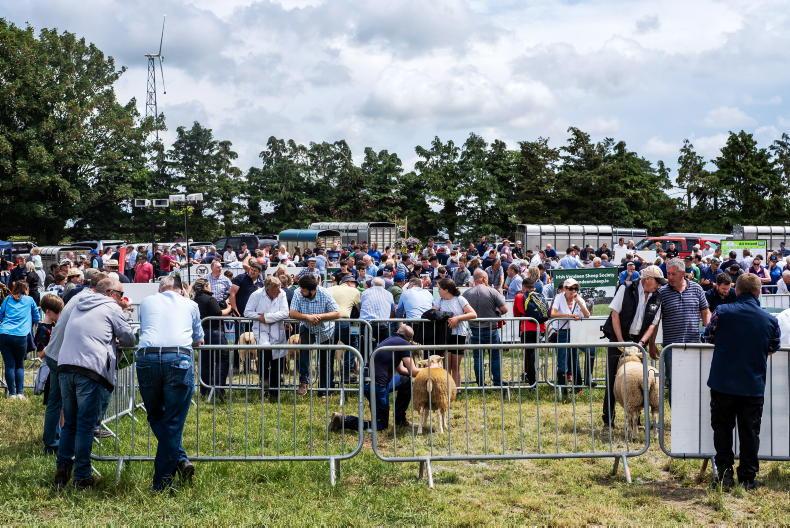

“I’m farming 1,000 hill sheep in Sligo and converting to organics. Being mindful when dosing, having an up-to-date animal health plan and making sure you have a problem before you dose for it are all important aspects of maintaining an organic flock. As a hill farmer, I don’t use many sprays or fertiliser, so the move to organics was straightforward. Hill farming has fewer input costs compared with lowland sheep production, but I’ve found feed prices for organics to be very steep. Expansion is a point of concern as it’s very hard to get land to rent. Buying land is out of the question, unless you’ve saved an awful lot of money.”

“I’m farming pedigree Charollais, Hampshire Downs and hybrids in Kingscourt, Co Cavan. We’re seeing recovering lamb growth rates after hostile conditions between early spring and in May. In terms of inputs, we’re trying to cut feed costs, but we can’t compromise on quality. You want to keep diet as consistent as possible. Hidden costs, such as genotyping and pedigree membership fees, have to be absorbed within the selling price. You need to be mindful of overall production costs, it’s a business at the end of the day. Most of our sales will come around the end of July, but I sold lambs last week and was happy with the price.”

“We’re farming 300 Charollais, Texel and crossbred ewes in Punchestown, Co Kildare. Lamb prices look to be good, but they are volatile and can always change. Our major concern is the price of input costs. Fertiliser is the big bill now, trebling in cost. It’s the real killer. We are trying to lessen our reliance on fertiliser by spreading lime, utilising grants, such as the liming scheme, and good grass management. We saw a 10% increase in feed costs this year; we really need this figure to come down to be productive. We’re involved with the Sheep Welfare Scheme and TAMS III, the grants are a great support for us.”
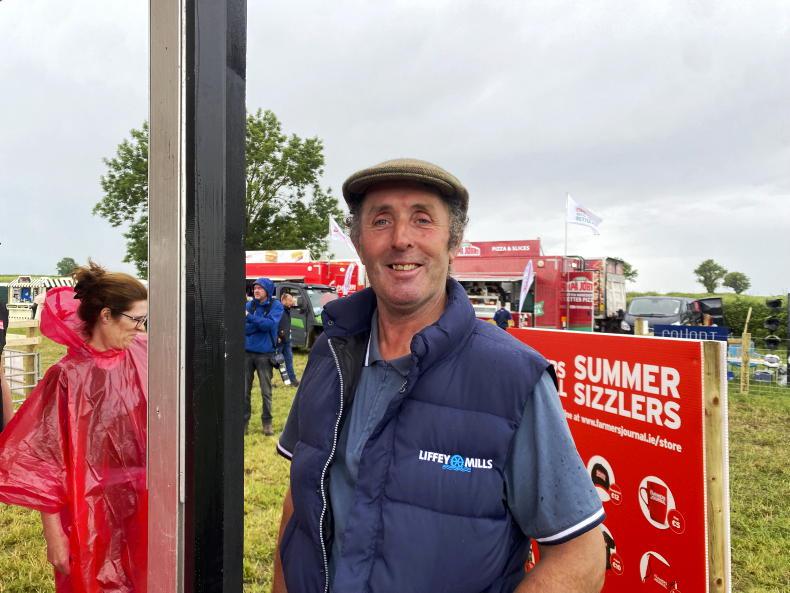
“We’re farming 100 ewes in Riverstown, Co Tipperary. The year is going well so far, but you can’t deny that sheep farming is a tough march. Excessive input costs are taking the good out of sheep farming. It appears to me that more and more people are making the decision to get out of sheep, even our own numbers are back on last year. In terms of supports, we’re signed up to TAMS III. Grant schemes are important for the sheep sector and they’re a great asset - as long as there’s not too much paperwork.”

“There will be a shortage of five-star rams for farmers. Anyone that joined Lamb Plus in the last three years has had access to genomic testing. They are charging a fortune to test. It’s not viable and breeders were not informed of these changes until they were brought in. To register your sheep with societies you have to have them genotyped and it’s been made very complicated for the breeds to do this. However, if the information is given by farmers, it will become a massive database and give Ireland more information than any other country. The fees are the issue and they need to be reduced to what they were.”

“I’m farming 30 pedigree Charollais ewes by the Cavan-Monaghan border. Pedigree production suits me, as I’m limited in terms of acreage. We look for quality over quantity. We’ve sold about two dozen ram lambs so far; lamb prices are good and grass growth in Monaghan is okay too. There are lots of requirements for pedigree production, such as registration, genotyping and plenty of paperwork. I’m hopeful for the future, I will maintain production levels for the next year.”


SHARING OPTIONS