


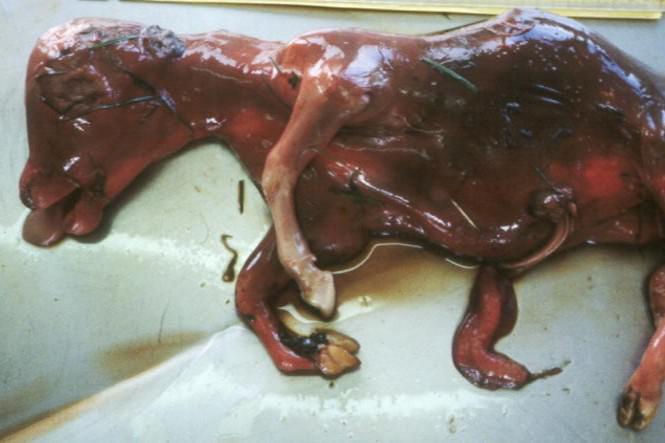
While the value of livestock has increased dramatically over the last 18 months, the importance that farmers place on the health of their animals hasn’t changed. What has changed is the financial loss associated with disease both in terms of mortality, which nobody wants to see, but also poor thrive as a result of a disease breakdown which is the hidden cost of the disease.
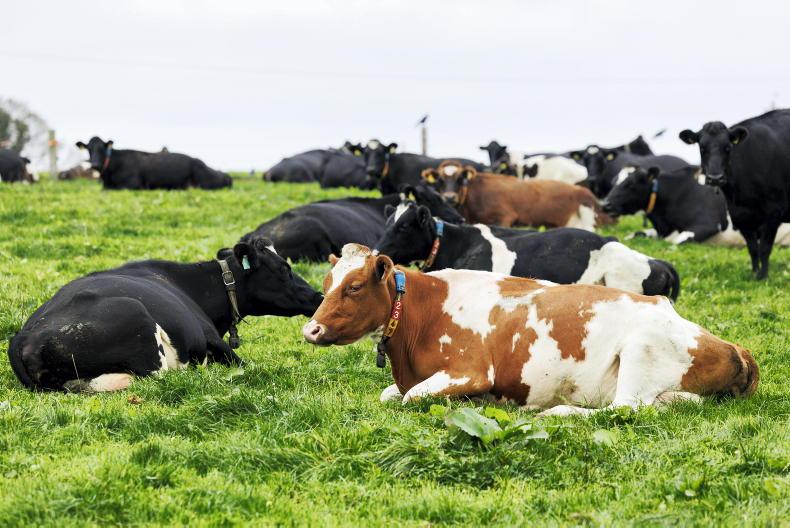
As we head into autumn, farmers up and down the country are thankful, not only for the high prices but also the relatively benign weather so far in 2025. It has certainly helped in terms of animal health and liveweight gain, with many farmers commenting that cattle and sheep are in great order as we head into the back-end.
In many ways, it is the next few months that will be most crucial as the autumn period is usually when disease pressures are at their highest. As I discuss on pages 50 and 51, parasites such as lungworm seem to be more widespread this autumn and pose a big risk to animal health. Other parasites such as stomach worms and fluke are a constant threat and ones that need to be carefully managed.
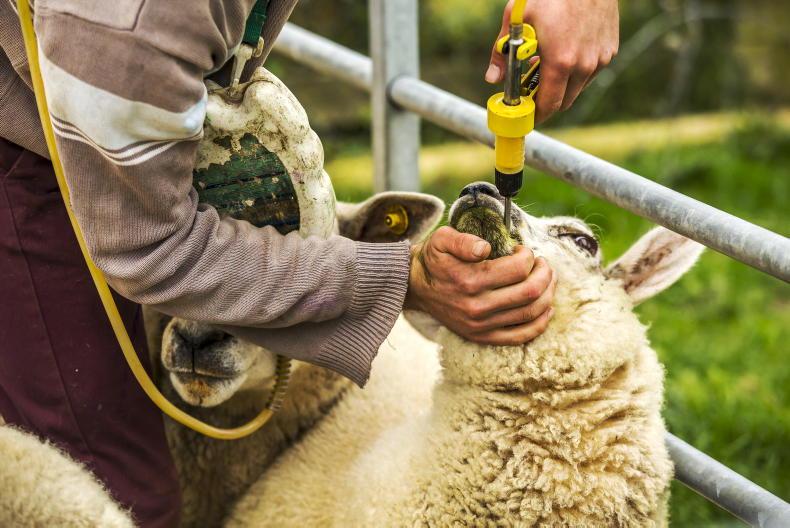
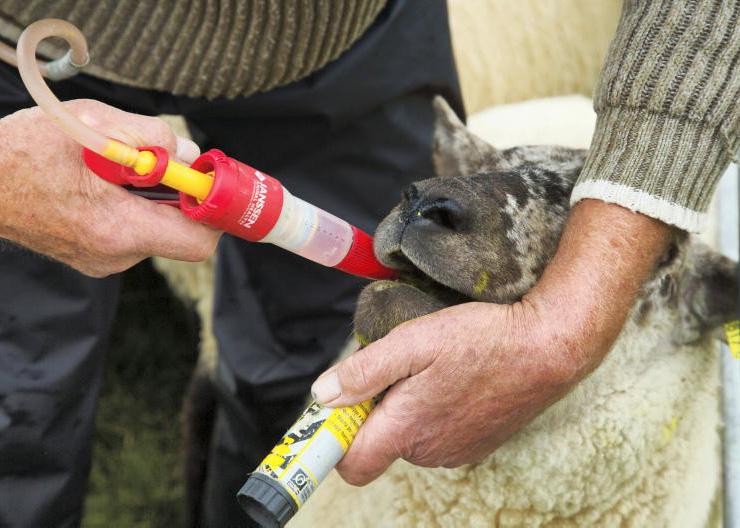
The whole issue around antimicrobial resistance, while commonly inferred to only concern the over-use of antibiotics, is also an issue when it comes to anthilmintics, or wormers. The under or over dosing of animals can lead to anthelmintic resistance and when this happens wormers will no longer work to kill the parasites.
Therefore, farmers need to ensure that only the right drug is used at the right time and at the correct dose rate. The more widespread use of diagnostic tests, such as faecal egg counts, have been very beneficial in this regard.
On page 48, Darren Carty discusses some of the key animal health measures required for the Sheep Improvement Scheme and Sheep Welfare Scheme. These schemes provide an important payment for sheep farmers so it’s important that farmers are fully up to speed on their commitments under the scheme.



SHARING OPTIONS