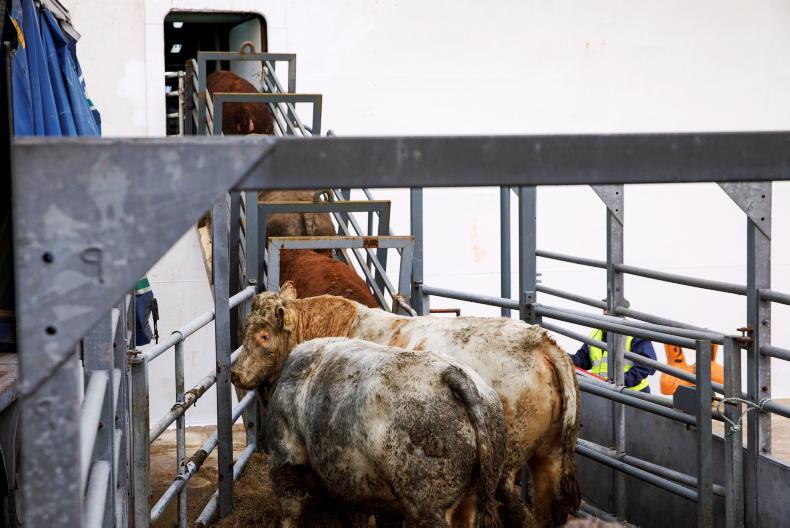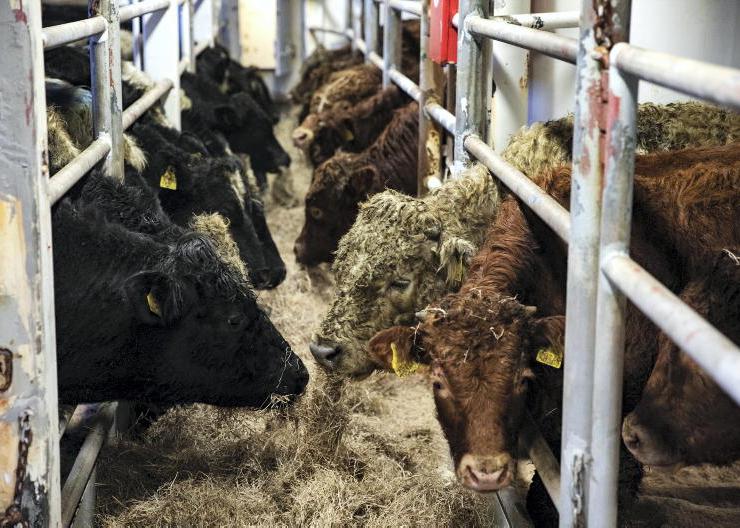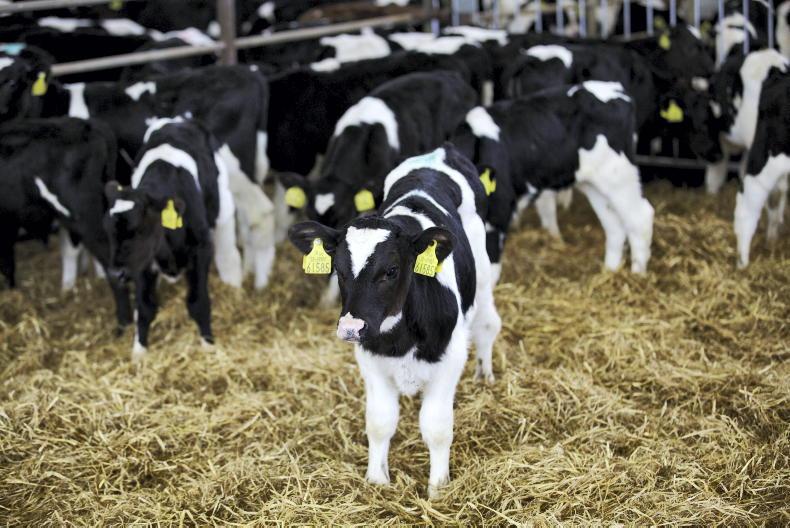
Demand for calves is forecast to remain strong in 2026 with tight cattle supplies remaining a key feature in many key export markets. This forecast was delivered at last Friday’s Bord Bia Meat Market Seminar with Seamus McMenamin, sheepmeat and livestock sector manager, delving deeper into forecasts for this year’s trade.
He explained that demand for calves in 2025 was underpinned by reduced calf births across continental EU destinations, stemming from a combination of a reduction in the EU dairy herd and higher barren rates linked to the bluetongue virus. Calf births were particularly affected in Germany and France which had a knock on effect on supply and demand in other markets. There was a brief spike in births at the end of 2025 which eased demand but this is likely to be short lived. Dutch Dutch market
As detailed in Figure 1 the Dutch market was the primary market for Irish calves in 2025 and imported approximately 84,000 head. This equates to a 9% increase on the previous year with the market in the main importing Friesian bulls.
There were fears in 2025 that the market may close to exports to Irish calves in 2026. This is due to the industry’s Veal Future Plan which plans to introduce strict new rules including animals being sourced from countries free of infectious bovine rhinotracheitis (IBR) or from countries with an IBR eradication programme.
The introduction date has since been postponed until 1 July 2026. This means that the trade for Irish calves should be unaffected and could possibly be stronger in the lead-in to the new regulations if calf numbers are tight and demand is strong.
While it has provided a short-term reprieve it keeps pressure on Irish authorities to implement a long-awaited IBR control programme.
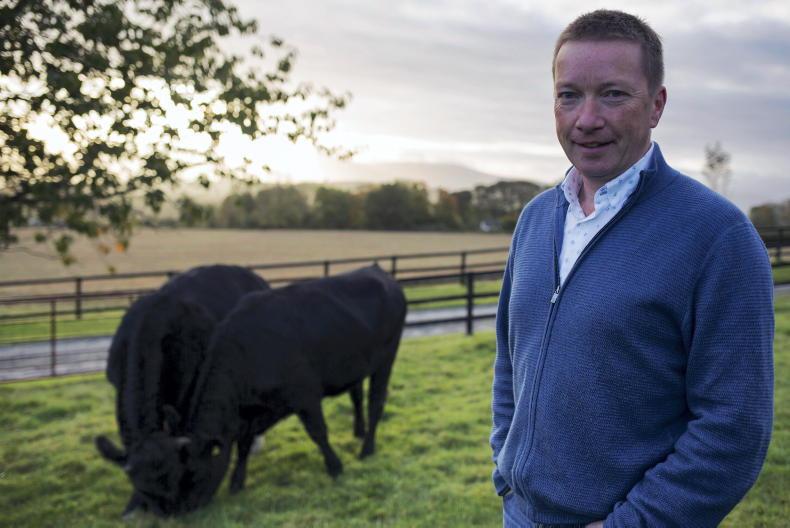

Ray Doyle, ICOS Livestock Services executive.

Seamus McMenamin, Bord Bia Meat Marketing Conference. \ Claire Nash
Spanish market
There were only 1,000 head of calves separating the Netherlands and Spain as the top importer of calves in 2025. The Spanish market has been a really solid performer in terms of calf imports in recent years with imports increasing by 12% to 83,000 head. In recent years the type of calf traded has changed in line with the type of calves available for export. Key customers in Spain now have a preference for stronger beef-sired calves in excess of 50kg.
Spanish finishing farms performed positively in 2025 with relatively low grain prices and high beef prices increasing margins. Keen demand for live exports to North African destinations is also providing a strong alternative outlet. These market dynamics helped to fuel demand for Irish calves and weanlings throughout 2025 with the market expected to remain vibrant in 2026.
Polish market
Live exports to Poland jumped by 64% in 2025 and established Poland as the third most important numerical market for calves. The type of calf most sought after is Angus-cross and Hereford-cross calves with some Friesian bulls also exported.
Demand in Poland has been underpinned by the development of more specialised finishing units increasing throughput, a reduction in domestic birth registrations and keen demand for calves in other European markets. Seamus highlights that prospects for the market appear positive for 2026.
Italian market
Italy has traditionally been a dominant market for Irish weanlings but in recent years has developed into an important outlet for calves accounting for exports of 18,000 head in 2025. Demand is being driven by continued pressure on domestic production levels with their dairy herd in decline and from Dutch veal producers investing in production systems in Italy due to ongoing environmental constraints limiting production in the Netherlands.
The Italian market is a destination for all types of calves from consignments of Belgian Blue crosses to continental crosses, traditionally sired calves and Friesian bulls. The market is expected to perform similarly in 2026.
Northern Ireland and outlook
Finishers in Northern Ireland were also buoyed by higher cattle prices in 2025 and this drove increased demand for calves. This was influenced by tight supplies of weanling and store cattle encouraging some farmers to diversify and incorporate a dairy-beef enterprise.
While there are several headwinds impacting the longer term outlook for Irish calf exports, the shorter term outlook for 2026 remains positive at present.
Eastern Europe
As seen in Figure 1, there were drops in calf imports recorded in Hungary, Croatia and Romania. The decline is more so linked to a reduction in imports of strong calves or weanlings with the data in Figure 1 capturing calves up to six months of age. It is likely that higher prices reduced demand in these markets. Price sensitivity will remain a factor in 2026 as will supplies in the Irish market with exporters likely to opt for other markets if supplies are limited.
Marts ready for a busy trading period
An increase in calf sales in marts in 2025 helped marts maintain throughput despite much tighter supplies in the market. This is reflected in the beef kill falling by over 210,000 head in 2025, while mart sales figures up to the end of November of almost 1.8m head reduced by just 0.2% or 4,405 head.
Ray Doyle, ICOS livestock services executive, said that higher prices encouraged more farmers to sell in marts. “The transparent auction system offered by marts and guarantee of payment came into its own in 2025,” he said. “With prices increasing on a weekly basis for a long period in the first half of 2025, it was almost impossible to value animals outside of the auction system and it quickly became evident that marts offered the best opportunity of maximising returns. “The high sums of money changing hands also meant that there was more value placed on a guaranteed payment.”
Ray says that marts are primed and ready for a busy sales period in 2026. He advised that marts and farmers have a shared responsibility in ensuring the highest standards are implemented. This includes marts providing a positive environment for sales while farmers must ensure that any calf not fit for transport is not presented at sales.
“We clearly saw in 2025 that there is a premium price to be attained for strong, healthy calves. There is no excuse for any calf being presented for sale in less than excellent condition and everyone in the supply chain has a responsibility to ensure this happens.”
Demand for calves is forecast to remain strong in 2026 with tight cattle supplies remaining a key feature in many key export markets. This forecast was delivered at last Friday’s Bord Bia Meat Market Seminar with Seamus McMenamin, sheepmeat and livestock sector manager, delving deeper into forecasts for this year’s trade.
He explained that demand for calves in 2025 was underpinned by reduced calf births across continental EU destinations, stemming from a combination of a reduction in the EU dairy herd and higher barren rates linked to the bluetongue virus. Calf births were particularly affected in Germany and France which had a knock on effect on supply and demand in other markets. There was a brief spike in births at the end of 2025 which eased demand but this is likely to be short lived. Dutch Dutch market
As detailed in Figure 1 the Dutch market was the primary market for Irish calves in 2025 and imported approximately 84,000 head. This equates to a 9% increase on the previous year with the market in the main importing Friesian bulls.
There were fears in 2025 that the market may close to exports to Irish calves in 2026. This is due to the industry’s Veal Future Plan which plans to introduce strict new rules including animals being sourced from countries free of infectious bovine rhinotracheitis (IBR) or from countries with an IBR eradication programme.
The introduction date has since been postponed until 1 July 2026. This means that the trade for Irish calves should be unaffected and could possibly be stronger in the lead-in to the new regulations if calf numbers are tight and demand is strong.
While it has provided a short-term reprieve it keeps pressure on Irish authorities to implement a long-awaited IBR control programme.

Ray Doyle, ICOS Livestock Services executive.

Seamus McMenamin, Bord Bia Meat Marketing Conference. \ Claire Nash
Spanish market
There were only 1,000 head of calves separating the Netherlands and Spain as the top importer of calves in 2025. The Spanish market has been a really solid performer in terms of calf imports in recent years with imports increasing by 12% to 83,000 head. In recent years the type of calf traded has changed in line with the type of calves available for export. Key customers in Spain now have a preference for stronger beef-sired calves in excess of 50kg.
Spanish finishing farms performed positively in 2025 with relatively low grain prices and high beef prices increasing margins. Keen demand for live exports to North African destinations is also providing a strong alternative outlet. These market dynamics helped to fuel demand for Irish calves and weanlings throughout 2025 with the market expected to remain vibrant in 2026.
Polish market
Live exports to Poland jumped by 64% in 2025 and established Poland as the third most important numerical market for calves. The type of calf most sought after is Angus-cross and Hereford-cross calves with some Friesian bulls also exported.
Demand in Poland has been underpinned by the development of more specialised finishing units increasing throughput, a reduction in domestic birth registrations and keen demand for calves in other European markets. Seamus highlights that prospects for the market appear positive for 2026.
Italian market
Italy has traditionally been a dominant market for Irish weanlings but in recent years has developed into an important outlet for calves accounting for exports of 18,000 head in 2025. Demand is being driven by continued pressure on domestic production levels with their dairy herd in decline and from Dutch veal producers investing in production systems in Italy due to ongoing environmental constraints limiting production in the Netherlands.
The Italian market is a destination for all types of calves from consignments of Belgian Blue crosses to continental crosses, traditionally sired calves and Friesian bulls. The market is expected to perform similarly in 2026.
Northern Ireland and outlook
Finishers in Northern Ireland were also buoyed by higher cattle prices in 2025 and this drove increased demand for calves. This was influenced by tight supplies of weanling and store cattle encouraging some farmers to diversify and incorporate a dairy-beef enterprise.
While there are several headwinds impacting the longer term outlook for Irish calf exports, the shorter term outlook for 2026 remains positive at present.
Eastern Europe
As seen in Figure 1, there were drops in calf imports recorded in Hungary, Croatia and Romania. The decline is more so linked to a reduction in imports of strong calves or weanlings with the data in Figure 1 capturing calves up to six months of age. It is likely that higher prices reduced demand in these markets. Price sensitivity will remain a factor in 2026 as will supplies in the Irish market with exporters likely to opt for other markets if supplies are limited.
Marts ready for a busy trading period
An increase in calf sales in marts in 2025 helped marts maintain throughput despite much tighter supplies in the market. This is reflected in the beef kill falling by over 210,000 head in 2025, while mart sales figures up to the end of November of almost 1.8m head reduced by just 0.2% or 4,405 head.
Ray Doyle, ICOS livestock services executive, said that higher prices encouraged more farmers to sell in marts. “The transparent auction system offered by marts and guarantee of payment came into its own in 2025,” he said. “With prices increasing on a weekly basis for a long period in the first half of 2025, it was almost impossible to value animals outside of the auction system and it quickly became evident that marts offered the best opportunity of maximising returns. “The high sums of money changing hands also meant that there was more value placed on a guaranteed payment.”
Ray says that marts are primed and ready for a busy sales period in 2026. He advised that marts and farmers have a shared responsibility in ensuring the highest standards are implemented. This includes marts providing a positive environment for sales while farmers must ensure that any calf not fit for transport is not presented at sales.
“We clearly saw in 2025 that there is a premium price to be attained for strong, healthy calves. There is no excuse for any calf being presented for sale in less than excellent condition and everyone in the supply chain has a responsibility to ensure this happens.”
SHARING OPTIONS