


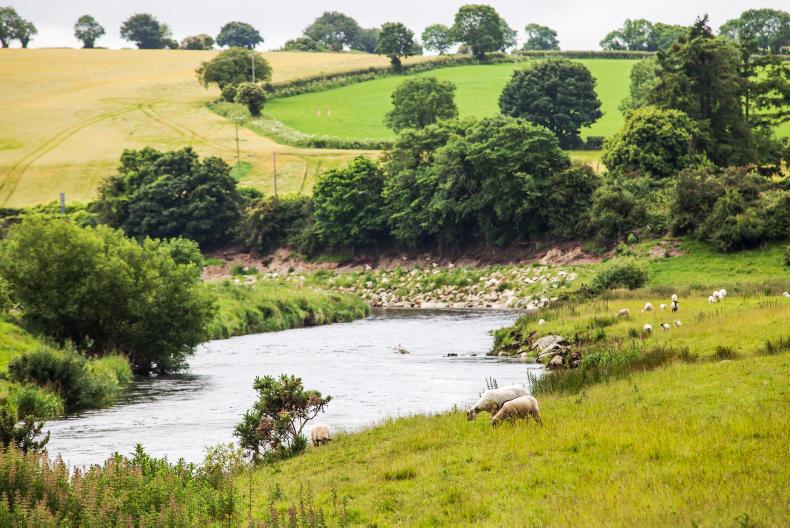
While grass growth rates have been lower than normal for the time of year, ground conditions are excellent. This is providing a super opportunity to carry out maintenance on grassland swards such as applying lime, improving infrastructure and weed control.
The low soil moisture content is also providing an opportunity at a much earlier stage in the year to get work completed on more marginal lands and, in particular, to address issues such as rush infestation in grassland.
There has been a spotlight on rush control strategies in recent years and this has stemmed from a combination of concerns surrounding the use of MCPA and water quality, along with fears of how rush infestation may lead to cross-compliance penalties.
The recent clarification by the Department of Agriculture on what they deem as appropriate management is to be welcomed.
Many farmers will be more cautious in their spending given coronavirus-related price pressure on outputs
There is a role for the strategic use of herbicides in maintaining grassland in a productive state but we need to also be aware that if herbicides are not used in the correct manner, there is a very real danger of tighter restrictions around their use and the prospect that important herbicides would be no longer be available for use.
Many farmers will be more cautious in their spending given coronavirus-related price pressure on outputs.
Targeted spending in areas that will improve grassland performance will deliver a good return on investment and should be prioritised to keep costs in check. Land drainage and reclamation is a longer-term investment to get unproductive areas working.
Where these jobs are taking place, the outlay has generally been earmarked for the job before the coronavirus pandemic hit.
It is a similar situation with reseeding and valuable tips are detailed by Kieran Mailey.





SHARING OPTIONS