


As we can see, the breakdown of the Irish retail market is similar to industry trends in the US, the UK and Europe. Tesco, Dunnes Stores and SuperValu control three quarters of the Irish retail sector between them.
The collapse of the Irish economy in 2008 has seen a shift in the balance of power in the Irish grocery sector. The trend among consumers has been the search for value and discounters like Lidl and Aldi have benefitted from this. Dunnes Stores and Tesco, in particular, have both struggled in recent years with declining market shares and sales.
However, the big surprise has been the steady and impressive growth of SuperValu, especially given the fiercely competitive and difficult trading conditions in the Irish retail sector. In 2012, the Musgrave group, which owns the SuperValu and Centra brands, purchased rival group Superquinn from receivership and brought all 24 stores under the SuperValu brand in 2014.
The latest figures now show SuperValu as the second largest retailer in Ireland with 25.3% of the Irish grocery market, just 1.1% behind Tesco on 26.4%. So, just what is SuperValu doing right?
SuperValu managing director Martin Kelleher believes the success of the supermarket chain is based on its unique business model.
“The SuperValu brand is rooted in the community. The retail partnership is the essence of what we stand for. In some cases, we are working with the next generation or third generation of family retailers.”
Although the Musgrave group owns the SuperValu and Centra brands, it does not operate a typical franchise business model. Instead, it enters into retail partnerships with shop owners who choose to trade under the SuperValu and Centra name.
Under this partnership, retailers buy centrally from Musgrave’s, which allows them to compete with the multiples on price. Musgrave wholesale sales to retailers in 2013 amounted to €4.9bn.
Musgrave’s also takes care of brand marketing and advertising for which there is a marketing charge passed on to retailers. The Musgrave group, as a whole entity, employs around 35,000 people, which makes it the second largest employer in Ireland – after the Government.
What’s unique about the SuperValu business model is that it gives the company the market penetration of a large supermarket and, because the store itself is owned by a local entrepreneur, the business remains a local enterprise at the heart of the community.
The winning formula for SuperValu has been this on-the-ground connection.
“We encourage shop owners to take on locally-produced and locally-sourced products. It makes sense for us to see local suppliers grow into vibrant businesses,” says Kelleher.
“Our competitors can’t do this and it gives us an advantage. It gives us the chance to differentiate.”
If Musgrave’s sees potential in a new product or business, it offers them advice and support on how to develop and grow.
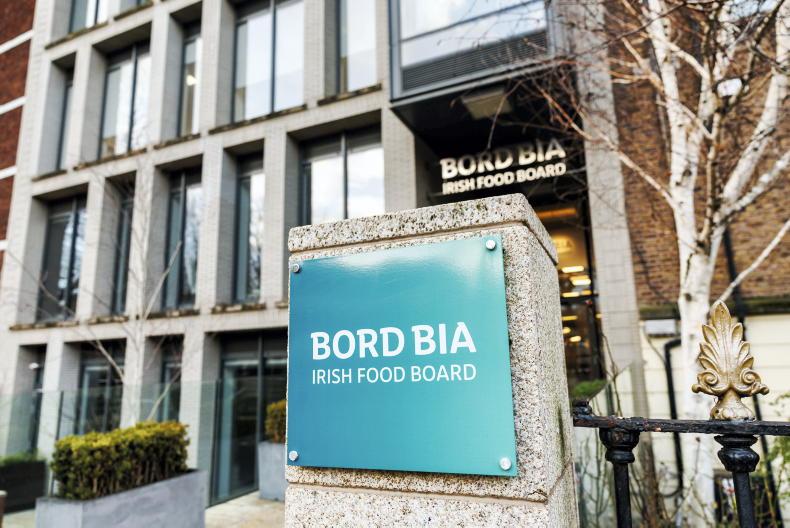
To nurture these start-up businesses, it has set up a programme in conjunction with Bord Bia and county enterprise boards called the Food Academy Start. The aim of the programme is to provide support and training to food companies as they progress on their growth journey from start-up to national distribution and export.
From working with new food businesses at an early stage, SuperValu has been able to find the best partners to work with in the development of its own brand food range. For example, its signature range of chilled ready meals is developed in partnership with Ballymaguire Foods.
SuperValu can offer companies help with design and product formulation as well as a direct route to market.
Some of the discounters operating in Ireland have 1,300 to 1,500 product lines in store, whereas SuperValu has 2,000 own-brand products alone. SuperValu’s own-brand range saw double-digit sales growth last year.
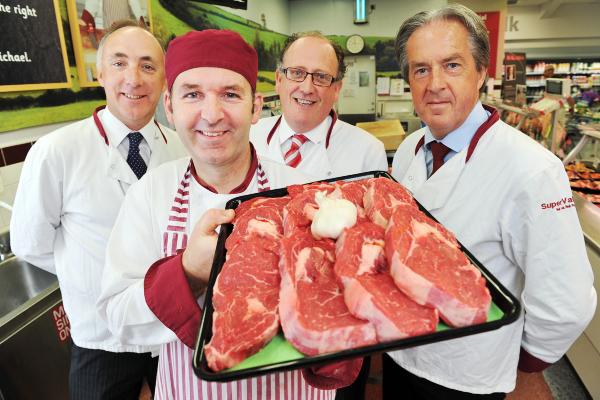
A key part of Musgrave’s business model is its commitment to a local sustainable supply, with 75% of all products sold under the SuperValu own-brand label produced in Ireland. For instance, all the milk in SuperValu is National Dairy Council (NDC) marked.
All beef and lamb is Irish and sourced from suppliers such as Kepak and ABP. Not only is Musgrave’s closely involved with local suppliers but it is working with Teagasc, Kepak and the IFA on a new, sustainable farming programme. The aim of the programme is to help farmers to enhance sustainability, farm efficiency, technical performance and profitability of their farming enterprises with the help of Teagasc advisers.
Future
The SuperValu business model is unique in that it can simultaneously offer consumers the scale and price competitiveness of a nationwide retailer, while also maintaining a close community connection through private ownership of individual stores. For Martin Kelleher, the future for SuperValu is bright.
“We are focused on a lot of what customers want; constant innovation of product ranges, local suppliers and real rewards. We have the skill and scale of a corporate company but we have our finger on the pulse and are ingrained in local communities.”


SHARING OPTIONS