



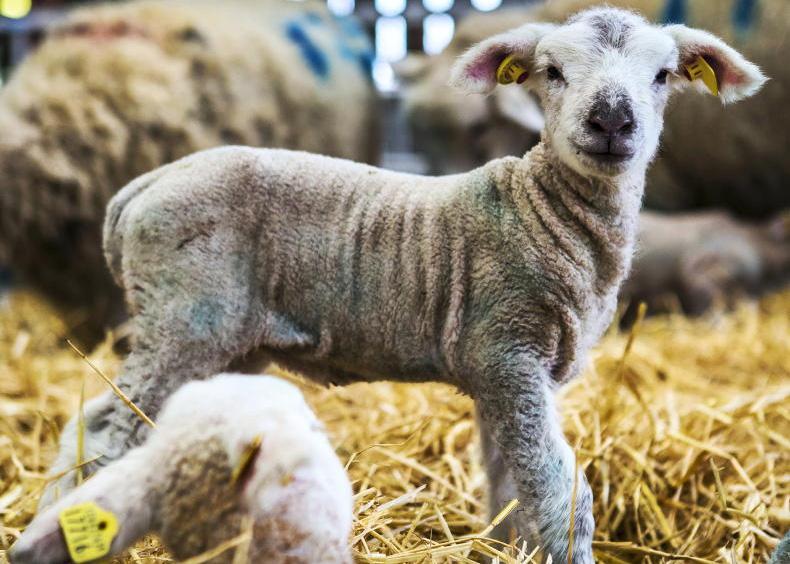
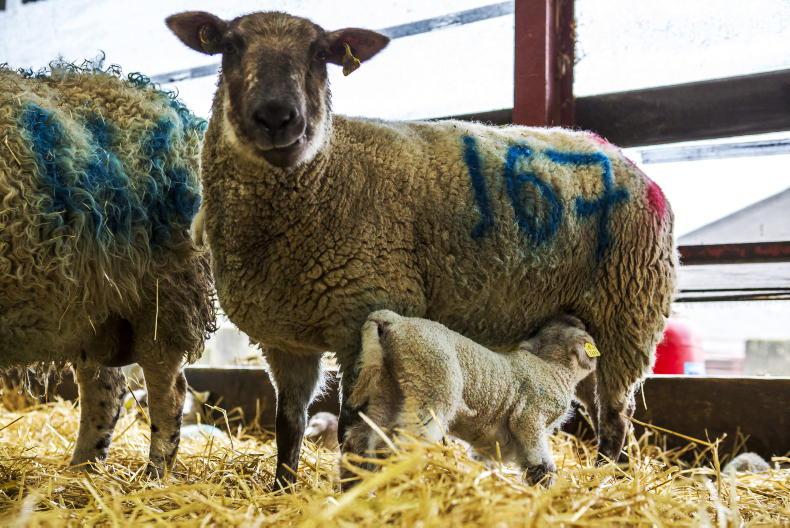
There are three main discussion points among farmers at present: terrible weather, poorer farmgate returns and concerns around bluetongue virus. Unfortunately, all three are somewhat outside of farmers’ control and the only option producers have is to set up their system to best counteract the effects of all three.
We outline the latest position with regards to bluetongue and discuss signs of the virus that farmers need to be on the lookout for.
Abortion is a symptom of the virus and as such high barren rates should be investigated. While very rare in sheep, it is possible for lambs to be born with deformities or central nervous system issues, similar to those seen with the schmallenberg virus.
We also cover useful refresher tips on lambing techniques and some frequently asked questions with vet Conor Geraghty from a sheep event in Co Galway where over 300 farmers attended.
Martin Merrick also delivers some tips on getting buildings and lambing facilities ready.
Nutrition and hygiene are both critical in reducing mortality and reducing the risk of disease. Late pregnancy feeding diets are critical. Ewes lambing in inadequate body condition will give birth to lambs of a lower liveweight, exhibit poorer mothering instincts and have a lower supply of poorer-quality colostrum.
High-quality colostrum is central to giving lambs the best possible start. The main ways of bacteria entering a healthy newborn lamb are via the navel or mouth.
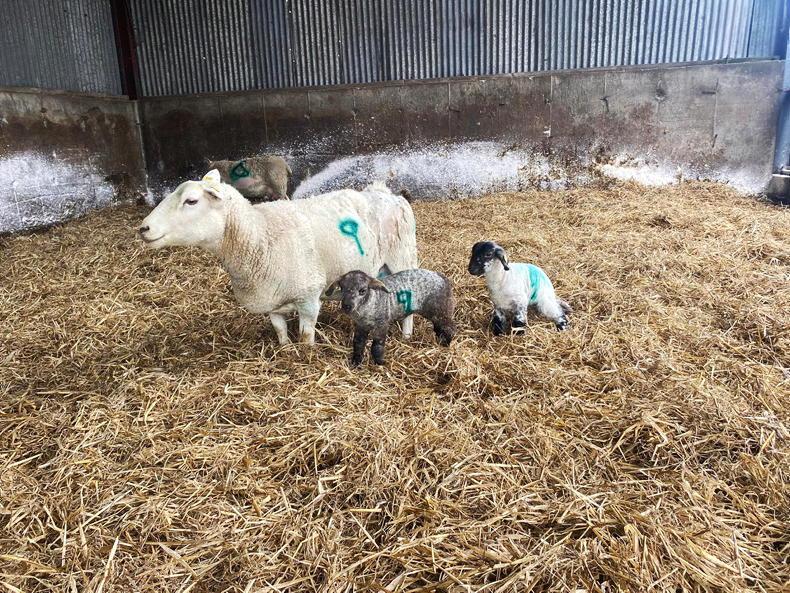
As such the main threats are the lamb’s navel coming into contact with dirty bedding and bacteria entering its mouth in the process of sucking dirty teats, wool or bedding. Sufficient straw is one of the cheapest defences to disease.
The number of lambs born is an important factor influencing profitability.
Sheep Ireland’s Sean Godfrey also explains why the trait is of such importance, while on page 45 Sean gives a flavour of what changes the new €uroStar evaluations will bring.


SHARING OPTIONS