



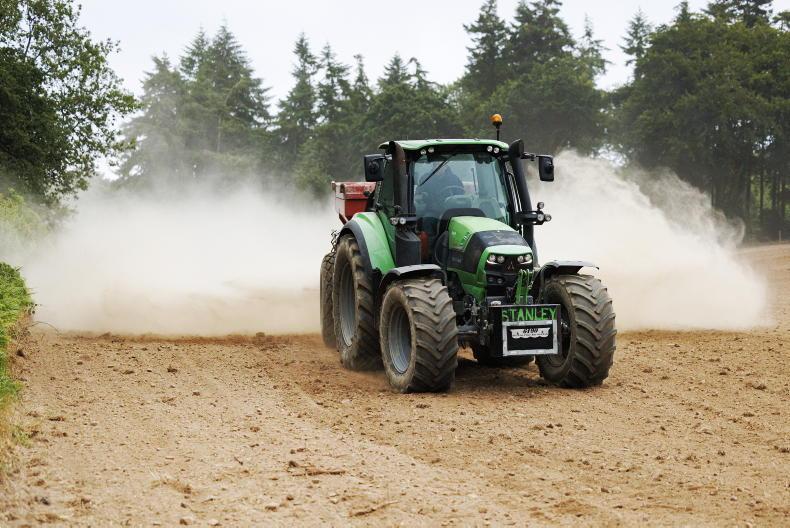
Reseeding is an excellent investment for any farm business. Newer swards can grow up to an extra three tonnes of dry matter in a year, they are more drought resistant and they will respond better to nitrogen fertiliser.
Any dairy farms or highly stocked drystock farms need to be reseeding between 10% and 15% of the grazing area each year to maximise profitability.
The current costs of reseeding are around €450/acre, but the investment will pay for itself in two to three years.
Below are the five key steps to consider when planning a reseed.
Choosing the right paddock to reseed is one of the easier steps in the reseeding process. The majority of farmers will already know the underperforming paddocks and fields on their farm.
Older swards or paddocks that were badly poached are usually at the top of the list and for those who are measuring grass, a quick look at the annual tonnage report on Pasturebase will provide a lot of clarity.
Before reseeding, a soil test of the field will give you an idea of what’s needed in terms of fertiliser and lime after sowing.
If clover is going in the mix, soil testing is vital. Research is becoming clearer that unless the pH is above 6.3 and soil Ps and Ks are at index three or above, clover is likely to struggle.
The soil test will help you design a nutrient management strategy for the paddock.
To kill off the old sward, spray off the field with a glyphosate product. If there is a heavy cover on the paddock at spraying, baling the paddock will be a better option than grazing, as animals won’t graze that heavy cover tightly enough once it’s sprayed.
If the cover is light, grazing is sufficient. The paddock should be grazed or baled seven to 10 days after spraying. Whatever method is used, ensure the sward is well cleaned off as any trash left behind will form clods on the seedbed.
The method of cultivation can depend on the ground type and weather conditions. Either way, you need to ensure you end up with a fine firm seedbed.
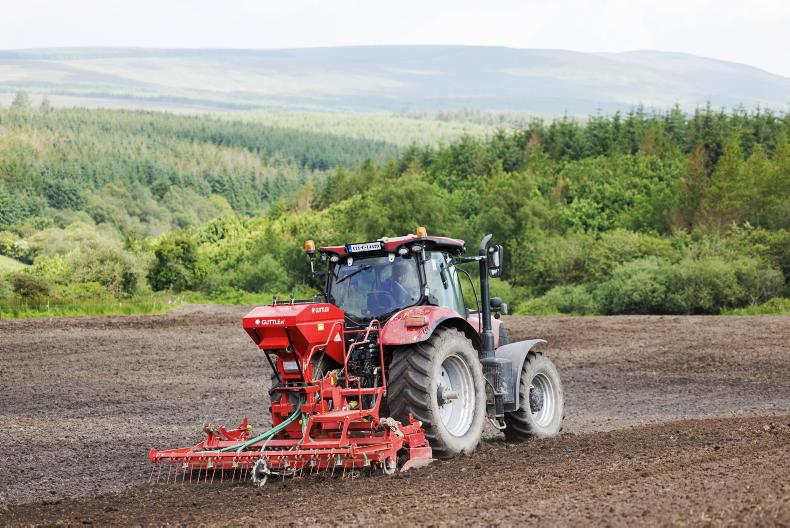
The research out there shows that there is no difference in the results between any of the methods provided the seedbed is done well enough.
Every farm will have different preferences when it comes to the brand of seed and types of varieties used in a reseed.
When selecting the seed mix, use the pasture profit index (PPI). Varieties on the PPI have passed a minimum standard of performance and therefore are more likely to succeed in an Irish system when compared to those varieties that fail to make the list. The PPI has sub-indexes outlining the varieties that score highly in different areas like utilisation, seasonal growth, quality and silage to name a few. Use the varieties that suit the system.
Teagasc advises not using more than four varieties in a mix and to use a mix combining diploids and tetraploids.
The PPI also has a list for clover varieties. When selecting the right clover, keep in mind that small and medium clover species are more suited to grazing, while large leaf clovers are suited to silage swards.
For clover to have an impact in reducing chemical nitrogen requirement, it needs to be sown at a rate of 1.5 to 2kg/acre.
Prior to the final cultivation, lime should be spread at a rate of 2.5t/acre on any field with a pH lower than 6.3. Once the final cultivation is finished, fertiliser should be spread. The typical recommendation is three bags/acre of 10-10-20. This can depend on the soil test and requirement of the field.
Seed can be either drilled or broadcast using a fertiliser spreader. Take care when using a fertiliser spreader to spread clover, as the seed is lighter and doesn’t spread out as well. Following narrower runs of the field will help but the spreader will need to be calibrated accordingly.
Ensure the seed bed is rolled following sowing and the reseed will need another 30 units/acre of nitrogen roughly a month after sowing.
This step is one of, if not the most important, steps in order to guarantee a successful reseed.
Post emergence spray should be used around six weeks post-sowing when the grass plant is between the two and three leaf stage and dock leaves are around the size of a two-euro coin.
Use clover-safe sprays and order them in time as supplies can be scarce when it’s needed.
The first grazing needs to be done at a light cover once the grass plants roots are established. Aim to graze at a cover around 800kg DM/ha. From then on, the paddock needs to be grazed every 16 to 17 days at a cover under 1,200kg DM/ha for the following two or three rotations.
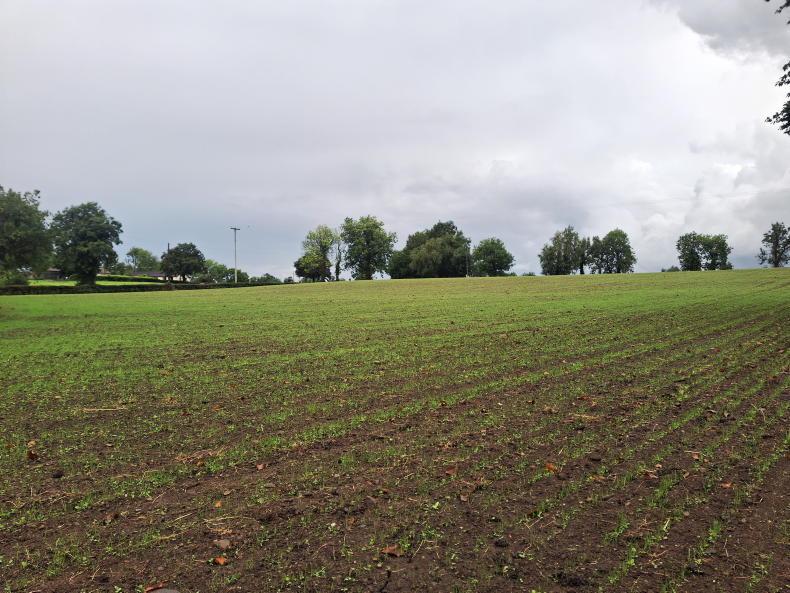
In an autumn reseed that means getting at least one grazing before closing the paddock for the winter and grazing at lighter covers early in the following season. This allows light into the base of the sward encouraging tillering and helping the clover plant to establish itself.


SHARING OPTIONS