



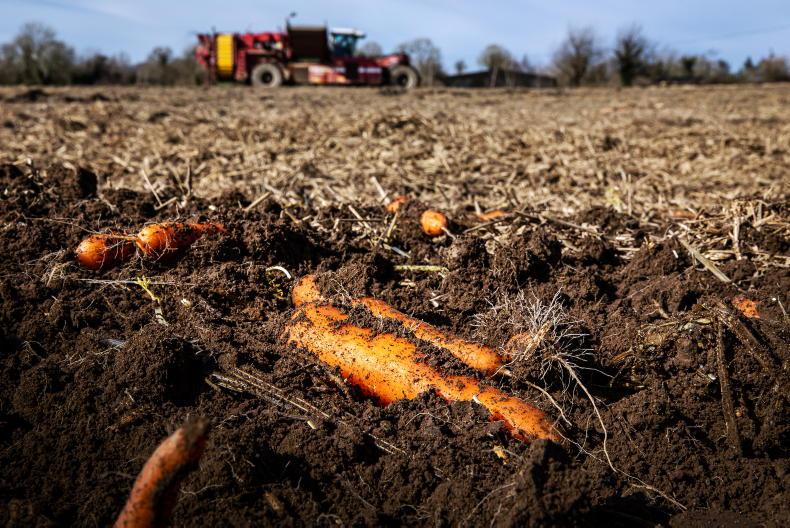
Concerns have been raised over the impact of global weather patterns in 2026 on food prices heading into 2027.
According to the Economic and Social Research Institute’s (ESRI) Quarterly Economic Commentary for Autumn 2026, there is clear evidence that weather events can have an effect on food prices and the impact is usually lagged by about 12 months.
Work published by the Bank of England in recent weeks shows the impact of unexpected weather shocks on UK food price inflation which is particularly relevant in the context of the current strong El Niño weather phenomenon.
Prior analysis published by the Banque de France, which focused on floods, droughts and storms as well as high temperature events, suggests that most of the effects materialise within one to two years of the weather event.
It also raised concerns about the impact of more repeated or prolonged weather events on food prices.
As Ireland imports much of its food, this means global food price shocks can be expected to pass through clearly to Irish consumer prices.
Middle East conflict
It follows concerns raised by the ESRI in its summer report which suggested that the impact of conflict in the Middle East will not be completely seen in food prices for a number of months.
It said that spikes in food inflation tend to follow price spikes in motor fuel; however, there is evidence of a time lag with the full effects on supermarket shelves not seen until a period of eight to 10 months later.
The current inflation rate is 0.7% for food and non-alcoholic beverages which remains low and is in line with the ESRI’s expectations around the lagged effect of increased fuel prices, the report details.
Fuel
Overall, inflation stood at 3.7% in August according to the Consumer Price Index (CPI).
The majority of this increase in the rate of inflation has come from the ‘housing, water, electricity, gas and fuel’ category and the ‘transport’ category which includes motor fuel such as green diesel.
In the ESRI’s summer report it said green diesel prices have risen sharply in the months since the war began, with year-on-year growth of 45% seen in April.
The ESRI stated that cuts to excise duty on motor fuel have shielded consumers from the full impact of higher oil prices, however the scale of the energy price shock limits the impact of this policy change in the short-term.






SHARING OPTIONS