



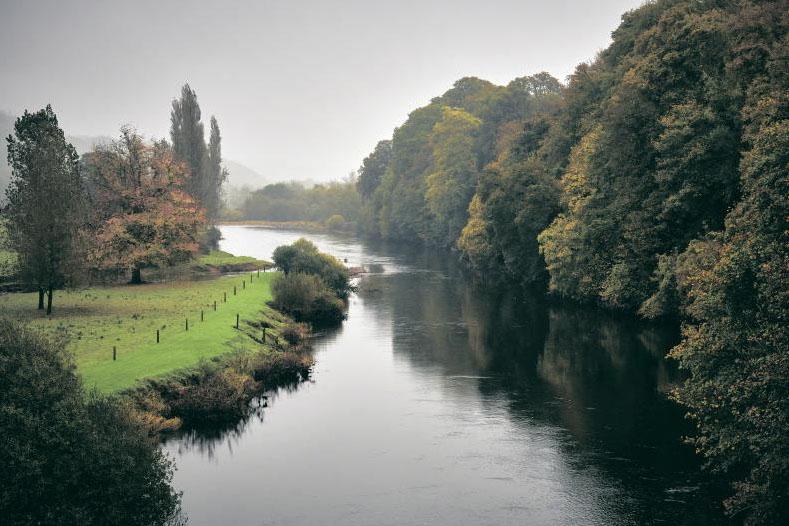
Villierstown, Co Waterford, is a quiet village, with just around 250 inhabitants. It has a pub, a Montessori, an old Quaker church and a community centre along its main run. Irish Country Living is visiting on a warm Friday evening and the air is heady with the aroma of trees, grass and the Blackwater River: the gentle giant which winds its way through the small community.
A group of men are gathered, armed with paperwork, a wealth of lived experience and the stories only fishermen can spin. They represent Blackwater wild salmon fishers – third, fourth and fifth generation fishermen who have lived on the river their whole lives and know every bend and eddy. As we are introduced to Mikey Walsh, Maurice O’Mahony, Vincent Mernin and Nicholas Grubb (of the nearby Dromana House and Gardens), we step into the community centre.
Irish Country Living is here because, after two separate rounds of public consultation from the Department of Climate, Energy and the Environment (DCEE) on behalf of Inland Fisheries Ireland (IFI), earlier this year, these men were informed the Blackwater would be designated as a catch and release river only, as per the Wild Salmon and Sea Trout Tagging Scheme (Amendment) Regulations 2026. This means they will not receive a wild salmon quota for the foreseeable future, but the river remains open to the angling community.
Intangible cultural heritage
Salmon are extraordinary creatures. They are anadromous, which means they spend part of their lives in salt water (in our case, the Atlantic Ocean) and part in freshwater rivers and lakes. Each year, they return to the same location to spawn after completing an epic oceanic journey.
It hasn’t been a great year for the Blackwater. In 2025, a pollutant entered the river causing Ireland’s largest-ever fish kill of approximately 42,000 (no official cause was ever identified). Since 1975, wild Irish salmon numbers have plummeted by a jaw-dropping 90%, from 1.76m to 171,700 in 2022 (according to Salmon Watch Ireland). Whether this is due to salmon being caught as bycatch, environmental factors like warming oceans or disease, no one is quite sure.
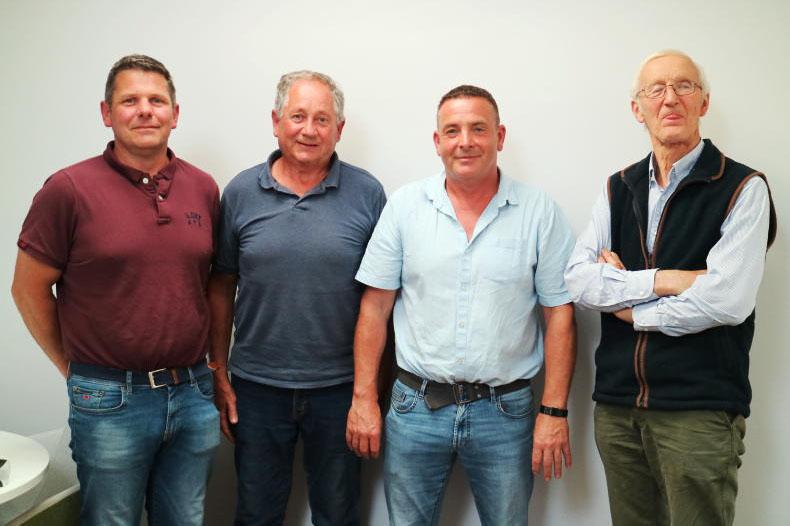
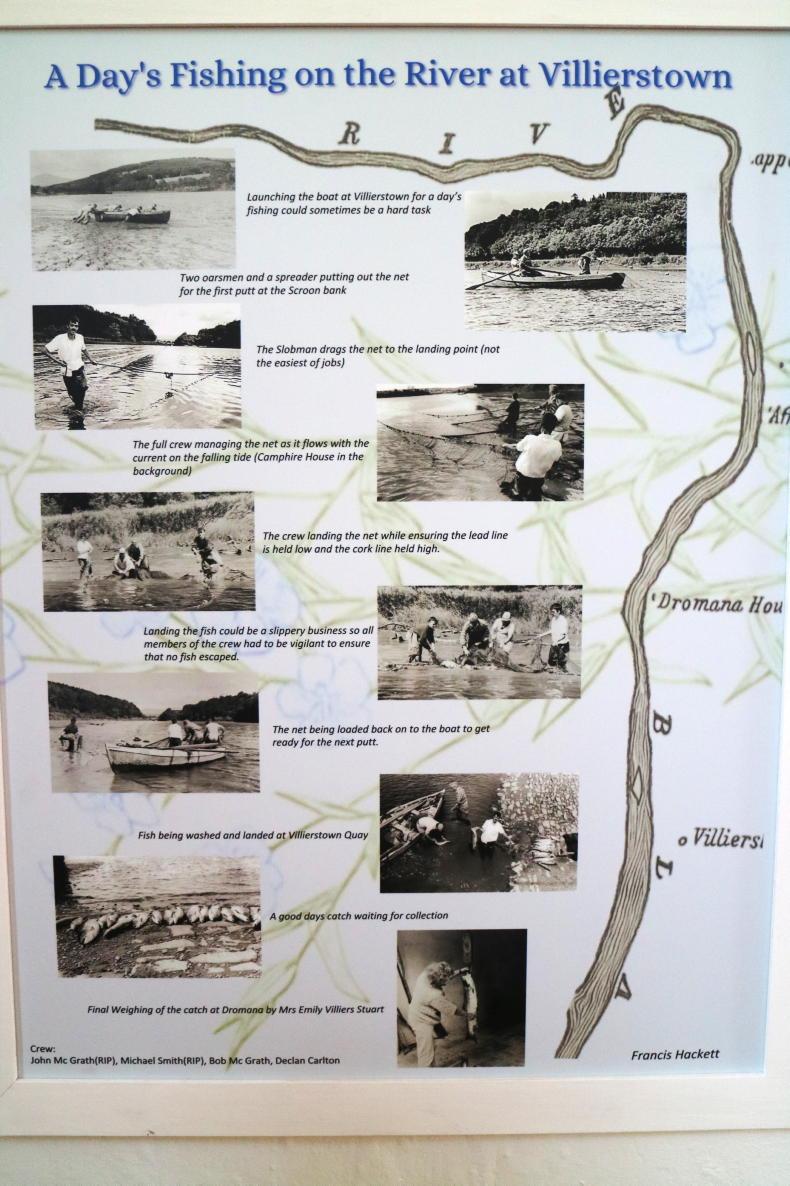
But this decline is not because of these Villierstown fishermen. They are among the few remaining licence-holders for snap netting – a traditional Irish fishing method with a history going back more than 1,000 years. Once regularly practised throughout Ireland’s southeast river systems, today just 10 fishers are licenced to use snap nets to catch wild salmon. They are all on the Blackwater.
If there are issues with salmon numbers, there should be a complete moratorium on the river. Catch and release should not be allowed. IFI management are all anglers; they promote angling
Snap net fishing is slow food in action and the practise is included in Ireland’s National Inventory of Intangible Cultural Heritage. According to the National Inventory’s website, it is actually considered an “inefficient” way to catch wild salmon.
“Usually only one fish is caught at a time,” the website reads. “It is a sustainable form of salmon fishing and it is easily managed, monitored and controlled. Moreover, it also provides a useful means of monitoring the run of salmon in each river each year, without having any appreciable impact on the stock.”
It’s difficult to determine what happens to salmon while they are at sea, but when it comes to their freshwater lives, we know that pollution has led to mortalities and physical changes to rivers and streams, making them inaccessible. Today, salmon fishing is prohibited on many Irish rivers, while others are designated as catch and release only.
Up until 2026, the Blackwater was one of the remaining rivers where the commercial fishing for small amounts of salmon was allowed. In these rivers, the annual TAC (total allowable catch) is calculated by IFI and the quota is then divided among the licenced fishers and anglers.
Data and governance
The Villierstown fishermen are upset by the decision to make the Blackwater catch and release only. They question IFI’s governance structure and the scientific data used to reach this conclusion. They also say IFI left them in the dark during the public consultation process.
“If there are issues with salmon numbers, there should be a complete moratorium on the river,” Vincent Mernin says. “Catch and release should not be allowed. IFI management are all anglers; they promote angling.”
In correspondence with Irish Country Living, IFI say they have a long and successful history of fisheries regulation on the Munster Blackwater catchment.
“Inland Fisheries Ireland acknowledges the concerns of salmon commercial fishers in respect of the Conservation of Salmon and Sea Trout [Catch and Release] Bye-Law No 1024, 2026 which designated the Munster Blackwater, Bride, Glenshelane and Finisk rivers – all in the Lismore District – as catch and release.
“IFI held an information meeting for commercial fishers, including representatives from the Munster Blackwater, in December 2025, during which the proposed regulations and their scientific basis were discussed in detail.”
The fishermen say that while this December meeting took place, they were never officially invited to attend.
“On 21 November, IFI issued notification on the first public consultation,” Maurice says. “The closing date for submissions was 20 December, and we weren’t informed. When we heard about the meeting [they were meeting salmon fishing representatives from Kerry], I asked if we could sit in on it.”
IFI’s data, including CWEF results (which tests for the amount of fry present in the river) showed the Blackwater was only reaching 97% of their conservation limit.
“At the meeting, I asked how the conservation limit is estimated, and [the IFI representative] said it’s based on log book returns from both traditional fishermen and anglers,” Maurice says. “While it is essential for fishermen to log every catch, anglers generally only fill in 60-65% of their log books. With figures like these, how can they accurately predict the conservation limit? I asked where and when the CWEF testing took place and they didn’t know. Afterwards, I found out the testing was done in 2022.”
In response, IFI say that their management decisions are based on a variety of sources. “Management decisions regarding the regulatory status of salmon in rivers are not solely reliant on angler records,” they say. “The Technical Expert Group on Salmon [TEGOS] provides annual risk-based catch advice to IFI management based on multiple data sources, including angler log book returns, fisheries inspector’s catch estimates, rod exploitation rates, commercial catches, and electrofishing survey data.”
The fishermen say there was little time for them to organise a response by 20 December, but they managed to send in over 300 submissions to the DCEE. Minister Timmy Dooley refused to sign off on the bye-law and ordered a second consultation period.
“On 9 February, we received notification on the second consultation period and met with Minister Dooley,” Maurice says. “We explained our grievances regarding the CWEF testing and the conservation limit being inaccurate.
“When the second consultation period came, there was no mention of either CWEF or the conservation limit. When they put out the draft bye-laws in November, they worked off an 85% probability and said the Blackwater would be closed to all fishing. In the second round, they worked off a 75% probability, which allowed for catch and release.”
Department response
A DCEE representative says they do not accept claims that regulations were applied without adequate notice or consultation, but they do acknowledge the disappointment of the commercial fishers affected by these measures.
“Both consultations ran for a 30-day period as is required under the Inland Fisheries Act 2010,” they say. “Both consultations were advertised publicly, including on the websites of the Department and Inland Fisheries Ireland and the Department received a significant volume of submissions [just over 850 in total] from a wide range of stakeholders, including commercial fishing licence holders.”
“We are all for sustainable fishery management,” Vincent says. “We adhere to every rule and regulation, every fish is logged and accounted for. IFI also told us they would not have the capacity to police the section of the river we fish [approximately 5km over a several week period].
If this is the case, how do they plan to police the angling community, who have much wider access to the river? There is no cap on the amount of angling licenses given out.
“My kids are teenagers now; we are trying to pass on our heritage to the next generation,” he adds. “No one is making much money from salmon fishing; it’s about keeping the practise alive. Current conservation efforts aren’t working and people on the ground are questioning the science behind these decisions.”
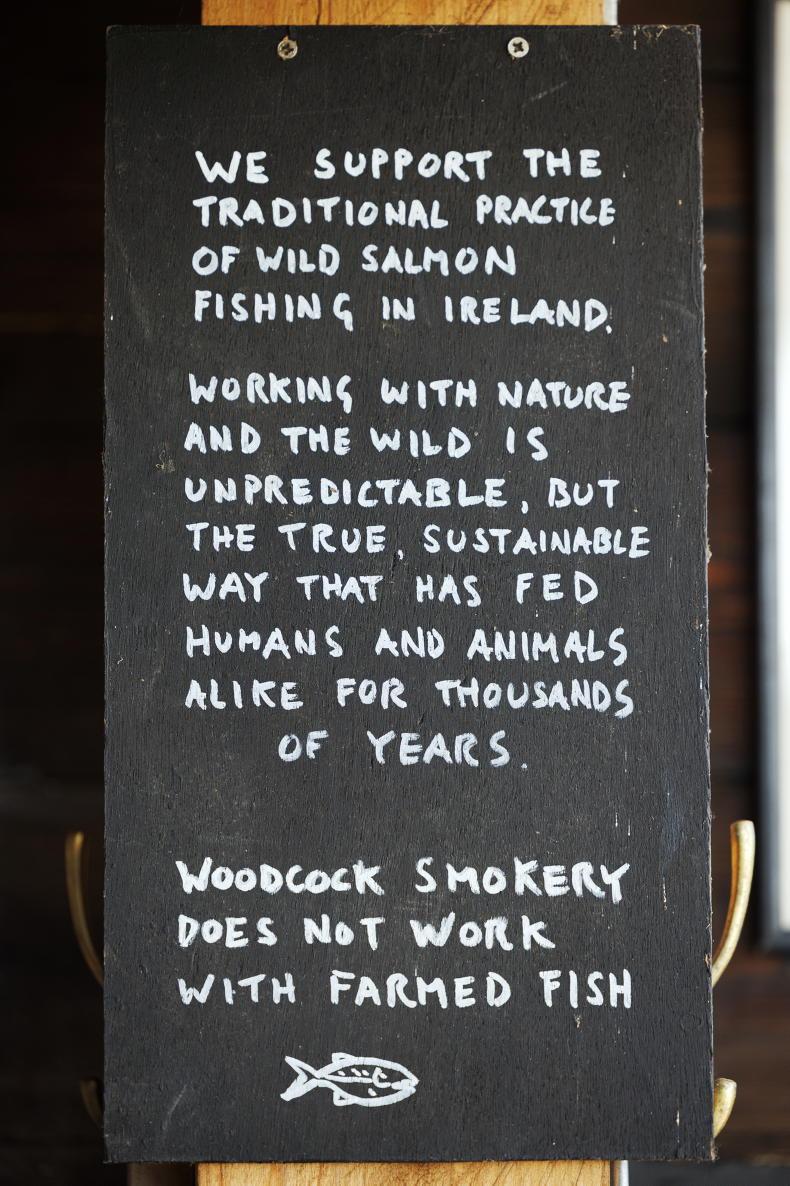
Woodcock Smokery
Aside from Blackwater fishermen losing the ability to practise traditional snap netting, they are also losing part of their annual income. When traditional fishing is stopped, we lose another element of our rural economy.
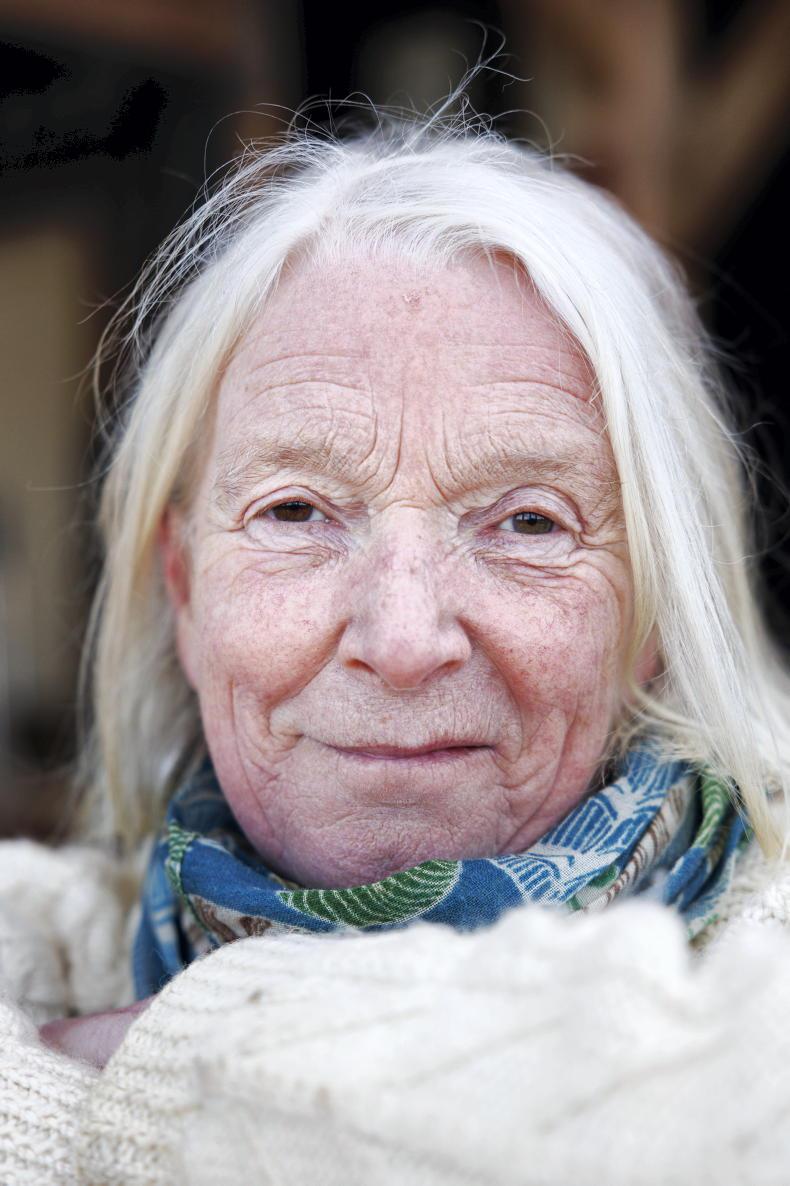
Further downstream, the loss of the Blackwater fishery affects other slow food-focused businesses, like Sally Barnes’ Woodcock Smokery in west Cork. Sally only smokes wild caught fish. As stocks diminish, her product line also decreases. While she continues to smoke small amounts of fish, her event space, The Keep, has become a hub for food education and sustainable dining events.
As a buyer, it takes a long time to build relationships,” she says. “I work with the same fishermen because I know they are working sustainably and keeping all of their records. If you’ve taken away my suppliers and I can’t access Cork harbour fish, then I’m done. I can’t keep this business running
Sally has spent years developing strong relationships with the fishers supplying her with wild salmon. Unfortunately, her suppliers were all based on the Blackwater, meaning she will now have to find other sources. In the current climate, this feels like an impossibility.
“As a buyer, it takes a long time to build relationships,” she says. “I work with the same fishermen because I know they are working sustainably and keeping all of their records. If you’ve taken away my suppliers and I can’t access Cork harbour fish, then I’m done. I can’t keep this business running.”
Sally recently spoke about this at the Ballymaloe Festival of Food, which took place from 15-17 May. She showed a screening of the film The Keep, which features her life in slow food, and also features one of the Villierstown fishermen, Mikey Walsh.
“Mikey’s interviewed in it. While we were watching, I nearly burst into tears,” she says. “These fishermen are good people. They’re the soft target in all of this.”
See woodcocksmokery.ie



SHARING OPTIONS