


At this stage, we are more or less up to date with the farming programme, with the main priority being to get the oilseed rape sown in the fields, which had the winter barley.
The fields are cleared where we big-baled some of the straw – the rest we chopped.
This year, all going well, we intend to split the varieties with a conventional hybrid in the bigger field and a Clearfield variety in the second.
Clearfield
Following the disappointing performance of the Clearfield variety, we got a specialist pathology facility to check for the presence of disease and such in the crop, but there was no trace of anything untoward, and talking to various farmers and suppliers, there seems to be a consensus that the Clearfield varieties did significantly worse than the normal hybrids in the harvest just finished.
From our point of view, the question we need to answer is whether a weed infestation of charlock in a hybrid variety will in fact badly affect yield. The ability to control charlock is, of course, the great advantage of the Clearfield development, so we will see.
Meanwhile, as I mentioned last week, the State involvement in agriculture continues to expand.
Over the last few days, we got confirmation that we would qualify for aid under the “National Liming Programme“.
While I accept that a little help is better than a lot of sympathy, 40 tonnes seems to set a low ceiling. Anyway, we will accept what is offered and hopefully meet all the requirements by the deadline of 31 October.
We have also signed up for the compulsory national fertiliser database, which will record all fertiliser purchases and stocks. This will be another annual return that will, from now on, have to be made.
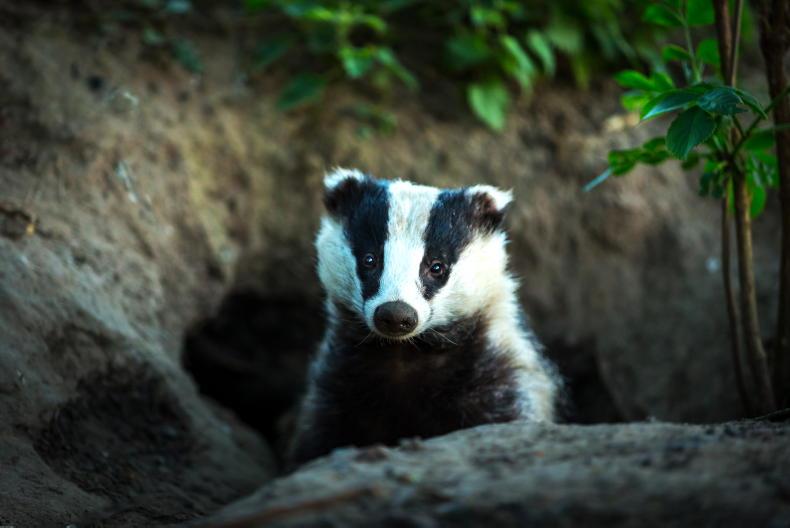
The badgers stole our honey
Over the years, we have kept several hives for bees around the place or, to be more accurate, we have an excellent beekeeper who lives locally, and it was with pleasure that we let him place the hives – usually on the edge of the oilseed rape and beans fields.
Twice over the last few weeks, he has found his main hive flat on the ground and badly disturbed, with strange bees having come in, and the existing ones having fled to some extent.
We have never had vandalism like this and I was reluctant to believe that anyone could be so malicious and stupid. I asked a local gamekeeper and wildlife expert, what did he think?
He investigated, and narrowed it down to either wild deer or badgers.
We have a few badger sets on the place and in the soft mud following recent rains, sure enough, in the area were badger foot marks. To add credence to his deduction work, badgers love honey and have a real sweet tooth, so we have come to the conclusion that the badgers did the damage, scoffed the honey and departed in the night.
Our beekeeper reinforced the protection around the hives and so far, touch wood, we seem to be back to normal.




SHARING OPTIONS