


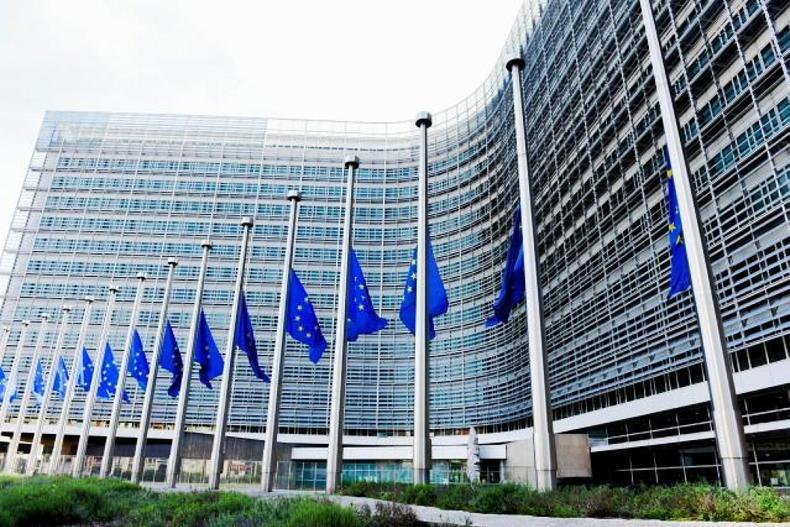
The European Commission has just two weeks left before it is expected to publish plans for the next long-term EU budget.
A central constraint of this budget will be the funds needed to repay borrowings taken out to finance the largest stimulus package in the history of the EU – the COVID-19 Recovery Plan.
The next budget, which will determine the level of funding available for farm payments in the post-2027 CAP, must balance the books while making repayments of up to €30bn each year over the budget’s timeframe of 2028 to 2034.
Interest rates are significantly higher now than they had been when it was decided to inject an additional €807bn (in current prices) of temporary stimulus funds to aid the post-COVID recovery of the EU’s economy.
Much of this COVID-19 recovery funding is still being transferred to member states now as projects green-lighted for grants get to the stages needed to receive payments.
Ireland is set to receive a total of €1.15bn from the €807bn recovery funds by the time all pre-approved projects receive their funds, which is roughly the same as Cyprus with a population of just 1.3m people or Estonia with 1.4m.
In Ireland, these recovery funds have facilitated investment in everything from a Government data centre, to waste water treatment plant upgrades and public transport upgrades.
Flexibility
The strain that these loan repayments will put on the EU budget has the Commission looking to add more flexibility to the next budget that would allow funding to be shifted from programme to programme as funding needs change between 2028 and 2034.
Merging funding headings is one of the means of adding this flexibility that the Commission is thought to be considering, namely merging the agriculture’s heading with the heading for cohesion.
Any merging of funding headings could leave the current ring-fenced CAP budget without a dedicated funding stream, fighting for funds with other EU programmes.
While the upcoming proposals for the long-term term budget only need a simple majority of MEPs to get European Parliament approval, they will also need the backing of every member state to pass.







SHARING OPTIONS