



Currently there are no winners with the way the ongoing Nitrates Derogation debacle is playing out. Farming is losing out and the environment is not set for improvement.
Farmers will pause all investment, limit and reduce stock numbers or invest in additional unnecessary land. For some it will mean a significant reduction in stock numbers and a significant reduction in profit, over 40% in some cases.
Water quality is not winning either, because Teagasc says there is no direct effect of reducing stocking rate on water quality, assuming farmers are using nutrients correctly.
So by interpreting the science incorrectly, we have some of the best family farm businesses in the country, where you could walk around in your slippers, having to reduce stock numbers, even though they are doing everything by the book – model farms.
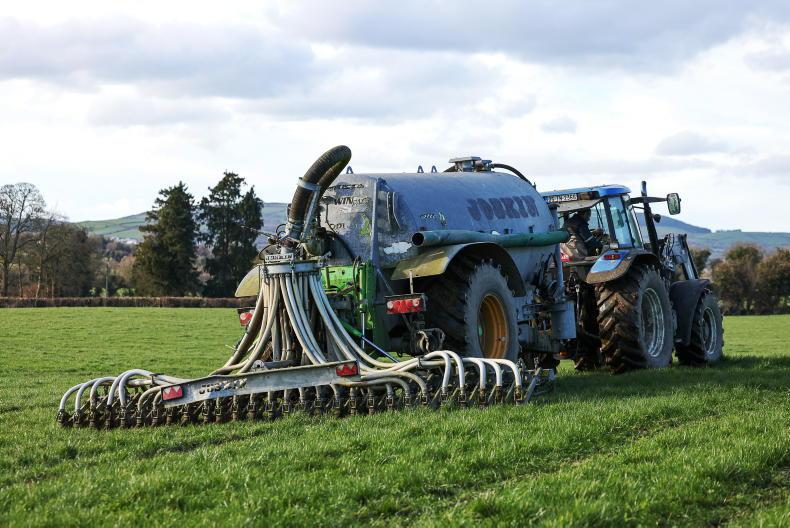
In the same parish you could have other individuals doing the completely wrong thing with slurry, allowing it enter into a watercourse.
It could be raw urban sewage going into a river, it could be a suckler farmer foddering stock outside beside a stream, a tillage farmer using nutrients at the wrong time, or a dairy farmer spreading slurry on a wet day.
All of these are doing the wrong thing, but yet the family farm with everything under control has to reduce numbers with no scientific justification for the change. It beggars belief.
The people doing the wrong thing can continue to carry out the wrong practice and their business is unaffected.
It’s utterly ridiculous and is set to split farmers down the middle, right across the country. Every farmer is set to fight it out with neighbour after neighbour for additional land.
In reality we already have a land price war in rural Ireland and yet nobody is willing to stand up and shout stop. Instead, it’s a case of pouring more petrol on the fire.
Slurry storage
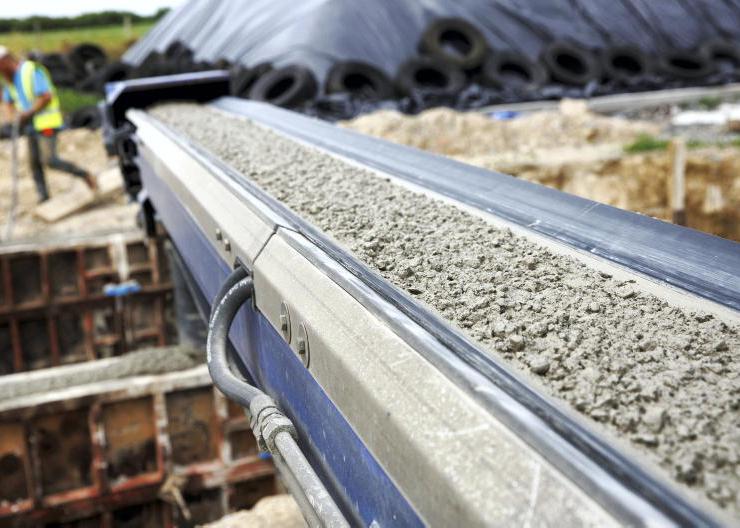
At an Irish Farmers Journal briefing this week, Teagasc’s Pat Dillon and Eddie Burgess both said the first real positive impact on water quality would come if farmers invest in additional slurry storage.
This would allow options for spreading time and optimise the timing of spreading to match the nutrient requirement on farms.
The same experienced scientists also said this week that nitrate is nitrate. Whether it comes out the back of a cow or the bottom of a bag it really doesn’t matter.
In this current proposal we are talking about reducing what comes out the back of a cow by reducing the number of cows on any particular land block. However, reducing purchased bag nitrogen would probably make more sense in the first instance.
So where to from here?
Given where we are on this, a practical and alternative scientific solution must be forthcoming. The science says this stocking rate reduction is not the right way forward.
Are we and our officials serious about wanting a fast improvement in water quality? Surely we want to do what is best for water quality?
If so, then the powers that be must advance alternatives. Surely the visiting European Commissioner Virginijus Sinkevicius, the Minister for Agriculture and the Taoiseach must consider alternative options for farmers. Should farmers countenance a licence?
They would have to be inspected, slurry storage measured, commit to a surplus of storage to allow flexibility over and above a set closed period. Maybe a requirement to drop chemical nitrogen from the current allowed thresholds?
Should tillage farmers be forced into cover crops on bare land? In effect, if the organic nitrogen produced on farms was used better, then less bag nitrogen would need to be imported, and you have a win-win situation.
In order to persuade farmers to enter this licensing system and get additional slurry storage on farms, there would have to be an incentive for farmers to do what’s right.
A 60% grant aid in slurry storage investment and perhaps a shortcut in the planning permission journey to allow for the fast investment would work.
One thing is for sure – farming needs a boost in the right direction and when science suggests there is a better alternative, we need to consider what that might look like.
The Department officials are on the record that if farmers didn’t want calendar farming, then the only other alternative was additional slurry storage.
Very soon all farmers are going to need it, so we need to change how we operate closed periods also.
I know by suggesting this some farmers are likely to wonder whose side I’m on – the farmers or the Department? However, the way I see the direction of travel, there are no winners, we simply have to side with science on this one.




SHARING OPTIONS