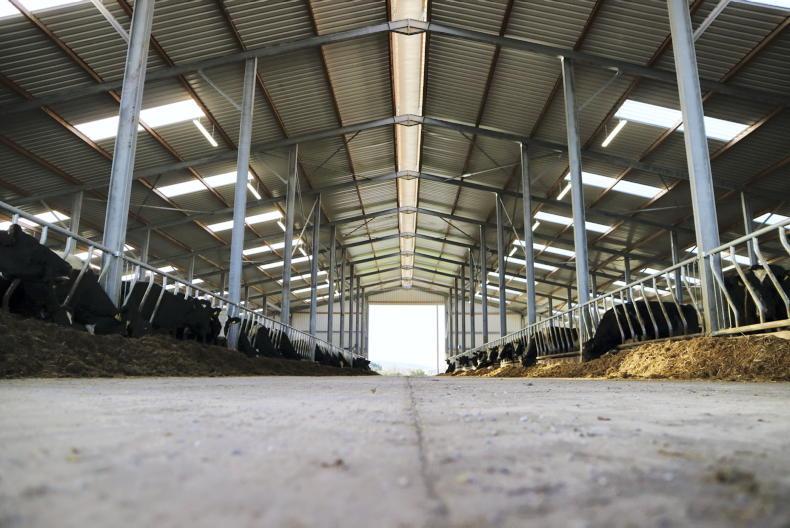
Farmers are becoming increasingly anxious as they await an opening date for the replacements of TAMS, the OFCIS. So far, the only inclination that the farmers have been given is that there will be a “first quarter opening date,” according to Department official Fran McNulty at a recent Irish Farmers Journal CAP event. A defined date, or indeed the structures and specifications that will be included are, as of yet, mostly unknown.
On the back foot to start
It is a certainty that planning permission for new farm buildings, or a possible letter of exemption for smaller projects, has to be sought before an application is submitted. This can take up to eight weeks to receive – that is, if the local authority grants the application in the first instance.
If the application is appealed, or the local authority requires more information, such as an environmental impact assessment, the application could take significantly longer.
Coupled with this, advisers will be in the depths of getting to grips with the new Basic Income Support Scheme (BISS) in a number of weeks, which will likely see a delay in OFCIS applications being submitted.
Builders for the most part are reporting anywhere from four to six months work ahead of them, with the backlog of work created from supply issues during Covid-19 being slow to clear due to labour shortages.
Time sensitive
The scheme is to be run in a tranche manner, similar to TAMS, with each tranche expected to run for a three-month period. Dairy farmers have come under increased pressure regarding soiled water storage, with a minimum three weeks storage required before the year end, with four weeks required by December 31 2024 for creamery milk suppliers.
Farmers who had maxed out their TAMS funding have been awaiting the new scheme to open to seek funding before starting on increasing storage.
New entrants to the organic scheme will also be running on a time-sensitive schedule. With 2,000 new entrants to the scheme, the majority are expected to be drystock farmers, if previous trends are anything to go by.
While farmers who applied for the scheme did not have to have organic standards accommodation, the main requirements being that 50% of available space was a dry bedded area, the conditions of the scheme require that suitable accommodation is in place for the 2023 housing period.
While Minister McConalogue announced that organic farmers will be able to avail of a higher 60% grant rate, irrespective of education levels or gender, these new entrants will be under immense pressure to retrofit existing sheds or create suitable new accommodation for the winter housing period while availing of the OFCIS.
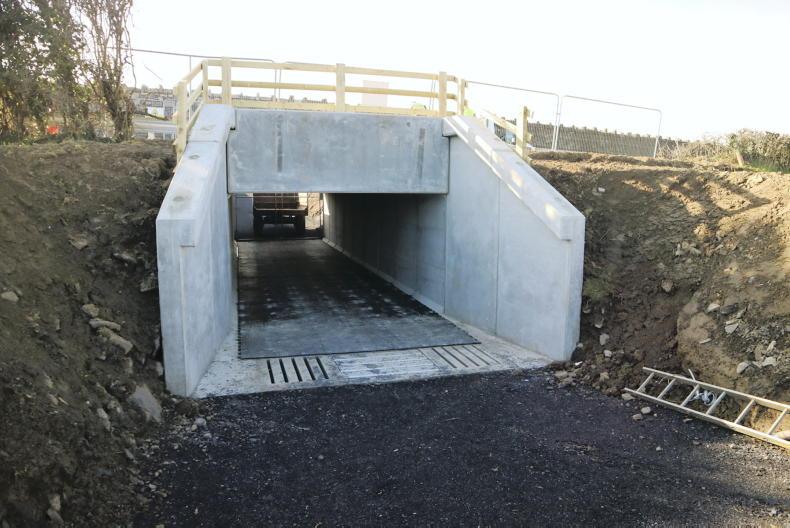
As of yet, the main development in the OFCIS that will interest farmers regarding building works is the inclusion of underpasses as a grant aidable measure, as was confirmed by the Department last week.
The Irish Farmers Journal also understands that slurry bags will be available under grant aid and will also qualify for accelerated capital allowance for slurry storage.
It is also expected that any outdoor slurry stores and collection yards for dairies will have to be covered to reduce ammonia emissions, as is stated in the Department of Agriculture’s Climate Action Plan from 2020.
All the above indicates that a huge bottleneck of building works is ensuing, between planning applications, advisers under pressure with new CAP schemes and builders already in a backlog of work.
Exactly how long the Department will take to process applications is another issue. Historically, TAMS applications took up to eight months on some occasions. The summer months, which are most suitable for building works, could easily pass by without a single application approved.
The issue is extremely time sensitive, with dairy farmers in breach of nitrates rules should they have insufficient soiled water storage by the December 31 deadline, while new entrants to the organics scheme could possibly be at risk of being removed from the scheme due to insufficient or incorrect housing.
With the accelerated capital allowance on slurry storage announced in the 2022 budget and a €37m spend on the Organic Farming Scheme (OFS), it’s hard to believe that farmers are left sitting on their hands awaiting an opening date.