AFBI have issued a warning to livestock farmers on the increased risk of liver fluke this autumn.
ADVERTISEMENT
The Agri-Food and Biosciences Institute (AFBI) has warned of a high risk for fluke infection across NI this autumn and winter.
Wet weather and mild temperatures have provided ideal conditions for fluke to develop within their mud snail host.
Liver fluke can cause a 5% to 15% drop in milk yield in dairy cows, as well as reduced growth in cattle and lambs.
ADVERTISEMENT
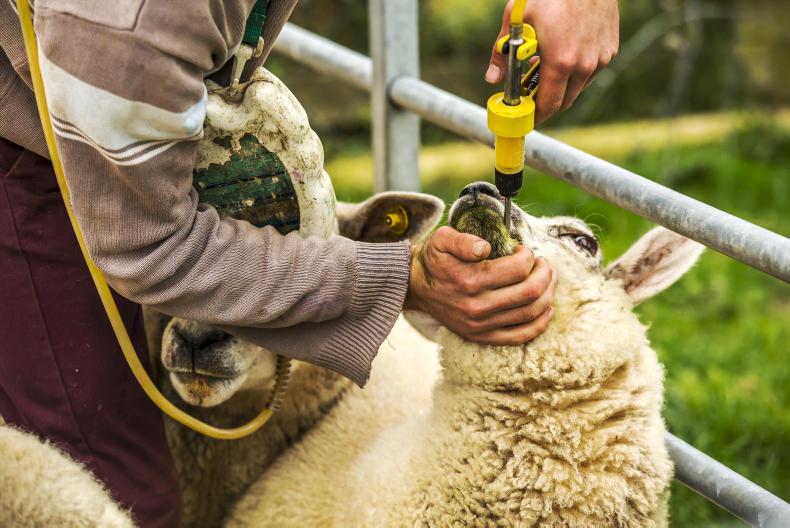
AFBI vets recommend using flukicides that target immature and mature fluke and in the case of sheep one or two treatments this autumn, with a possible follow-up treatment in January.
In the case of housed cattle, growing and finishing animals can be treated early using a product targeting immature and mature fluke.
The alternative is to wait a period of six to eight weeks post-housing and treat animals with a product targeting mature fluke only.
Regardless of which option is followed, farmers should pay attention to withdrawal dates, and seek advice from their local vet.
This content is available to digital subscribers and loyalty code users only. Sign in to your account, use the code or subscribe to get unlimited access.
The reader loyalty code gives you full access to the site from when you enter it until the following Wednesday at 9pm. Find your unique code on the back page of Irish Country Living every week.
CODE ACCEPTED
You have full access to the site until next Wednesday at 9pm.
CODE NOT VALID
Please try again or contact support.
The Agri-Food and Biosciences Institute (AFBI) has warned of a high risk for fluke infection across NI this autumn and winter.
Wet weather and mild temperatures have provided ideal conditions for fluke to develop within their mud snail host.
Liver fluke can cause a 5% to 15% drop in milk yield in dairy cows, as well as reduced growth in cattle and lambs.
AFBI vets recommend using flukicides that target immature and mature fluke and in the case of sheep one or two treatments this autumn, with a possible follow-up treatment in January.
In the case of housed cattle, growing and finishing animals can be treated early using a product targeting immature and mature fluke.
The alternative is to wait a period of six to eight weeks post-housing and treat animals with a product targeting mature fluke only.
Regardless of which option is followed, farmers should pay attention to withdrawal dates, and seek advice from their local vet.
If you would like to speak to a member of our team, please call us on 01-4199525.
Link sent to your email address
We have sent an email to your address. Please click on the link in this email to reset your password. If you can't find it in your inbox, please check your spam folder. If you can't find the email, please call us on 01-4199525.
ENTER YOUR LOYALTY CODE:
The reader loyalty code gives you full access to the site from when you enter it until the following Wednesday at 9pm. Find your unique code on the back page of Irish Country Living every week.







SHARING OPTIONS