The number of NI farmers who are positive about the prospects for their business over the next 12 months has taken a significant hit, a major survey undertaken at Balmoral Show has found.
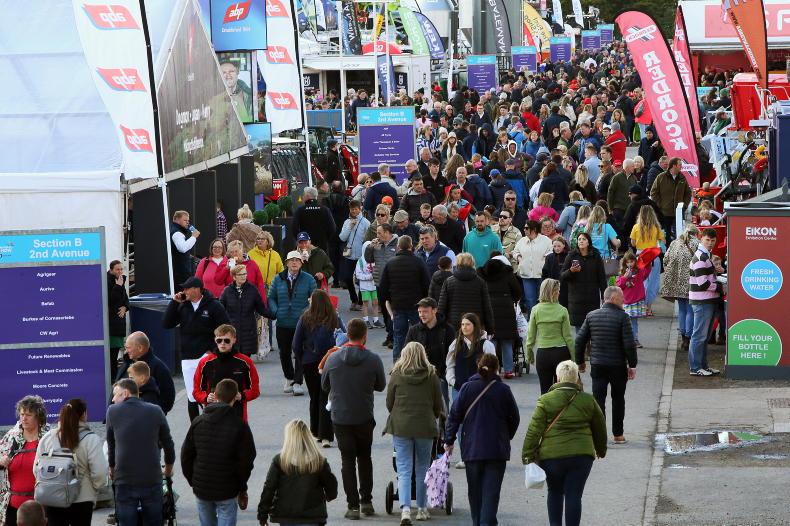
Conducted by the Ulster Farmers’ Union (UFU) and the Irish Farmers Journal, the survey assessed the views of hundreds of farmers across the four-day event.
A similar analysis of farmer sentiment was undertaken at the 2025 show, with 66% of respondents indicating at the time that they were either ‘fairly positive’ or ‘very positive’ for the 12 months ahead.
As shown in Figure 1, at the 2026 event, this proportion of farmers has dropped to just 35%, although a significant number did indicate they were neither positive or negative (33%), while a further 12% said they didn’t know.
That leaves 19% feeling negative about prospects over the next 12 months, which is nearly double the 10% figure from the event last year.
With farmers less optimistic, it has reduced the appetite to grow their businesses.
In our 2025 survey, 33% said they would produce more output over the next 12 months, however, that figure has reduced slightly to 27% in the current year (see Figure 2).
Over that period, milk prices have dropped by around 10p/l, while beef is back by 100p/kg, so it is understandable that many farmers are less willing to invest than they were. However, returns from the likes of poultry remain steady, while sheep prices are up nearly 170p/kg on this time last year.
But nearly all farmers face higher costs on the back of the recent spike in energy prices due to the war in Iran.
As shown in Figure 3, nearly half expect their costs to be up by between 20 and 40%.
Across all those surveyed, concentrate feed was ranked as the most important cost on farms, followed by fertiliser, contractor charges and fuel.
Dairy farmers optimistic about the future
Farmers with a dairy enterprise are significantly more confident about the prospects for their business over the next five years when compared to other livestock producers.
Among all the farmers surveyed, 38% said they were either ‘fairly positive’ or ‘very positive’ about the future (see Figure 4), which is done slightly on the 41% when we asked the same question last year.
However, further analysis of the data shows that 60% of dairy farmers have a positive outlook, compared to around one-third of beef farmers and just 27% of sheep producers.
Most farmers need more fertiliser
Amid concerns about the price and availability of fertiliser, our survey asked farmers about the amount of fertiliser they currently have in store.
Just over one third confirmed they have most of what they need for the rest of the year (see Figure 5), with a further 36% indicating they have ‘limited supplies’, while 29% said they currently have none on farm. The data also suggest dairy farmers have been the most proactive when it comes to securing supplies. Among dairy respondents, half said they have most of what they need for the remainder of the season.
Support payments remain vital to incomes
With prices in various sectors under pressure and farmers facing a spike in costs of
production, just under 70% of farmers surveyed indicated that support payments
remain ‘very important’ to their incomes in 2026 (see Figure 6).
Among the beef farmers in our survey, that figure rose
to over 80%, while across
dairy farms, it was just below 60%.
Unsurprisingly, given the lack of direct support, most pig and poultry farmers indicated that direct payments were not important to their incomes.
Comment: UFU deputy president Glenn Cuddy
While there are still areas of resilience within agriculture, these survey results show that Northern Ireland farming has taken a significant hit over the past year.
Farmers are facing a combination of falling market returns in some sectors alongside rapidly rising input costs, particularly around feed, fertiliser, fuel and energy.
Unsurprisingly, that is creating real uncertainty about investment, expansion and the future direction of many farm businesses.
The findings also reinforce just how important support payments remain for maintaining the viability of large parts of the industry, especially within our beef and sheep sectors.
What this survey demonstrates is that farmers want stability, confidence and a clearer long-term direction.
Farmers are resilient and innovative, but they cannot continue to absorb rising costs and increased pressures indefinitely.
The UFU will continue to engage directly with government, processors, retailers and wider industry stakeholders to ensure the realities facing farm
businesses are fully understood and that practical measures are put in place to help safeguard food production and the sustainability of family farms across NI.
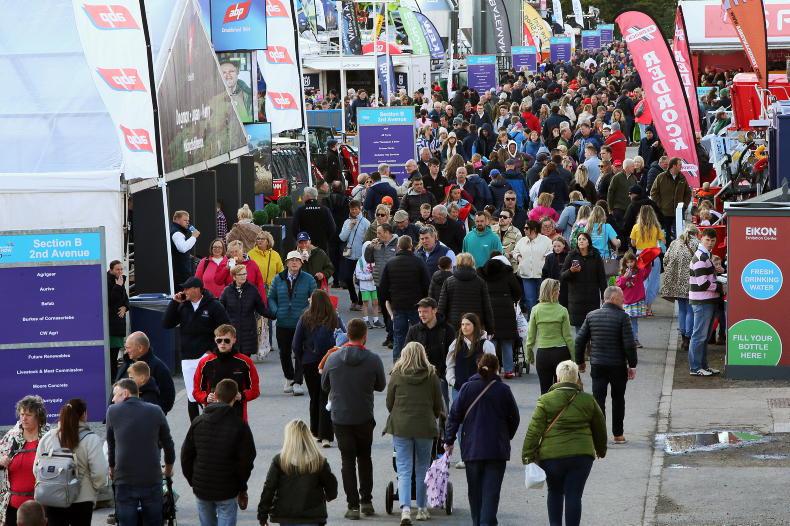
The number of NI farmers who are positive about the prospects for their business over the next 12 months has taken a significant hit, a major survey undertaken at Balmoral Show has found.
Conducted by the Ulster Farmers’ Union (UFU) and the Irish Farmers Journal, the survey assessed the views of hundreds of farmers across the four-day event.
A similar analysis of farmer sentiment was undertaken at the 2025 show, with 66% of respondents indicating at the time that they were either ‘fairly positive’ or ‘very positive’ for the 12 months ahead.
As shown in Figure 1, at the 2026 event, this proportion of farmers has dropped to just 35%, although a significant number did indicate they were neither positive or negative (33%), while a further 12% said they didn’t know.
That leaves 19% feeling negative about prospects over the next 12 months, which is nearly double the 10% figure from the event last year.
With farmers less optimistic, it has reduced the appetite to grow their businesses.
In our 2025 survey, 33% said they would produce more output over the next 12 months, however, that figure has reduced slightly to 27% in the current year (see Figure 2).
Over that period, milk prices have dropped by around 10p/l, while beef is back by 100p/kg, so it is understandable that many farmers are less willing to invest than they were. However, returns from the likes of poultry remain steady, while sheep prices are up nearly 170p/kg on this time last year.
But nearly all farmers face higher costs on the back of the recent spike in energy prices due to the war in Iran.
As shown in Figure 3, nearly half expect their costs to be up by between 20 and 40%.
Across all those surveyed, concentrate feed was ranked as the most important cost on farms, followed by fertiliser, contractor charges and fuel.
Dairy farmers optimistic about the future
Farmers with a dairy enterprise are significantly more confident about the prospects for their business over the next five years when compared to other livestock producers.
Among all the farmers surveyed, 38% said they were either ‘fairly positive’ or ‘very positive’ about the future (see Figure 4), which is done slightly on the 41% when we asked the same question last year.
However, further analysis of the data shows that 60% of dairy farmers have a positive outlook, compared to around one-third of beef farmers and just 27% of sheep producers.
Most farmers need more fertiliser
Amid concerns about the price and availability of fertiliser, our survey asked farmers about the amount of fertiliser they currently have in store.
Just over one third confirmed they have most of what they need for the rest of the year (see Figure 5), with a further 36% indicating they have ‘limited supplies’, while 29% said they currently have none on farm. The data also suggest dairy farmers have been the most proactive when it comes to securing supplies. Among dairy respondents, half said they have most of what they need for the remainder of the season.
Support payments remain vital to incomes
With prices in various sectors under pressure and farmers facing a spike in costs of
production, just under 70% of farmers surveyed indicated that support payments
remain ‘very important’ to their incomes in 2026 (see Figure 6).
Among the beef farmers in our survey, that figure rose
to over 80%, while across
dairy farms, it was just below 60%.
Unsurprisingly, given the lack of direct support, most pig and poultry farmers indicated that direct payments were not important to their incomes.
Comment: UFU deputy president Glenn Cuddy
While there are still areas of resilience within agriculture, these survey results show that Northern Ireland farming has taken a significant hit over the past year.
Farmers are facing a combination of falling market returns in some sectors alongside rapidly rising input costs, particularly around feed, fertiliser, fuel and energy.
Unsurprisingly, that is creating real uncertainty about investment, expansion and the future direction of many farm businesses.
The findings also reinforce just how important support payments remain for maintaining the viability of large parts of the industry, especially within our beef and sheep sectors.
What this survey demonstrates is that farmers want stability, confidence and a clearer long-term direction.
Farmers are resilient and innovative, but they cannot continue to absorb rising costs and increased pressures indefinitely.
The UFU will continue to engage directly with government, processors, retailers and wider industry stakeholders to ensure the realities facing farm
businesses are fully understood and that practical measures are put in place to help safeguard food production and the sustainability of family farms across NI.
SHARING OPTIONS