



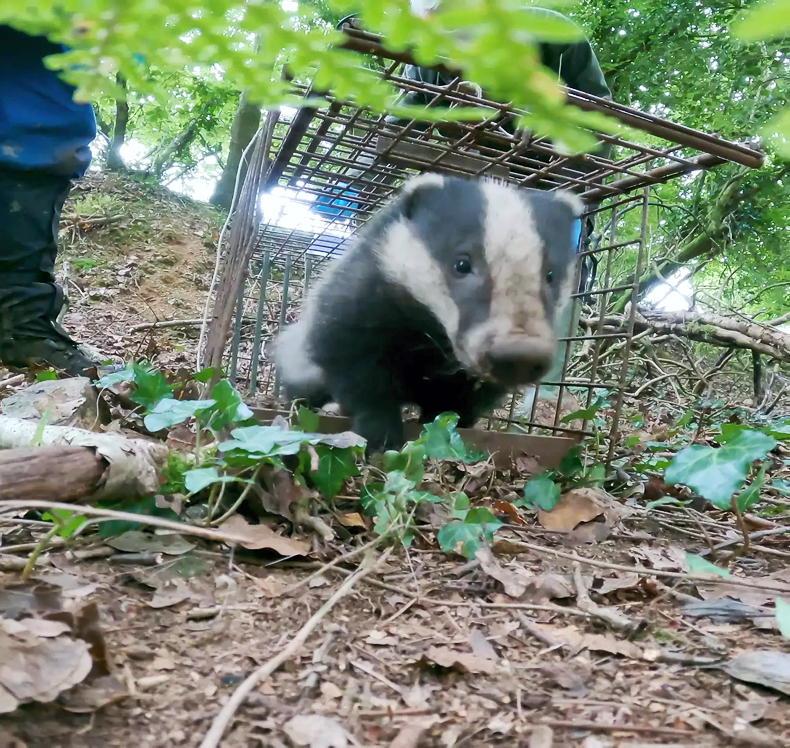
In the last 10 years two high-level expert groups on TB have advised the department to implement a policy of controlled shooting of badgers in hotspot areas, followed by the roll-out of vaccination once the disease pressure from wildlife has been reduced.
It is a similar direction of travel to that being implemented in England and the Republic of Ireland, yet for various reasons, it is a policy still to be followed in NI.
The latest attempt to unblock the impasse is another public consultation on options for wildlife intervention.
Boiling it all down, there is essentially the option of a non-selective cull, mainly by controlled shooting of badgers in areas with high rates of TB, or alternatively a Test, Vaccinate or Remove (TVR) approach as trialled in the Banbridge area between 2014 and 2018. The plan is also to use TVR in the cross-border TB project taking place in the northwest over the next five years.
That cross-border project has received £10.2m of government funding, so it is a very different scenario to that outlined in the DAERA consultation, which is clear that the costs associated with a wildlife cull are likely to fall on farmers.
The consultation highlights that controlled shooting in a 100km2 area is likely to cost around £440,000 over a five-year period, while TVR, where badgers are caught in cages, is likely to cost £1.81m. Multiplying that up over a dozen cull areas, it works into a lot of money to come out of farmer pockets.
Given the costs involved, the two main options must be credible and deliver sustained reductions in bovine TB among cattle herds.
Looking at the results of the TVR trial, the credibility of this as an option, has to be seriously questioned (see page 11). TVR might be politically acceptable and might even get environmentalists onside, but facts matter. No rational person could expect farmers to fork out millions for something that was shown in the Banbridge research trial to make no difference to TB rates in cattle.


SHARING OPTIONS