



With a lot of farmers getting accounts done to 5 April 2025, the realisation is probably starting to hit around the financial impact of the rise in the value of cattle since April 2024.
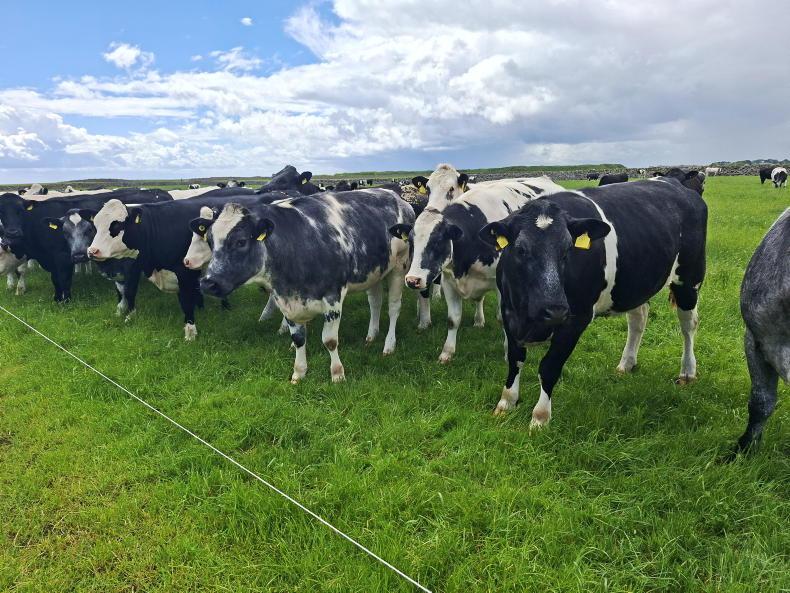
As John Egerton made clear in his article on p8 of the edition dated 1 November 2025, there is a valid argument to be made that cattle farmers are no better off, despite the much higher prices being paid. In practice, if the value of stock is up £50,000, that is all treated as income.
Machinery
The usual reaction from farmers when there is a looming tax bill is to buy machinery.
That won’t solve the problem in the last financial year and even if we had fully thought through the issue, to get a tax bill significantly down probably meant spending money you didn’t actually have.
The extent of paper profits will vary across farms, but the figures are pretty stark.
From April 2024 to April 2025, the price paid for a 400kg U-3 steer is up £760.
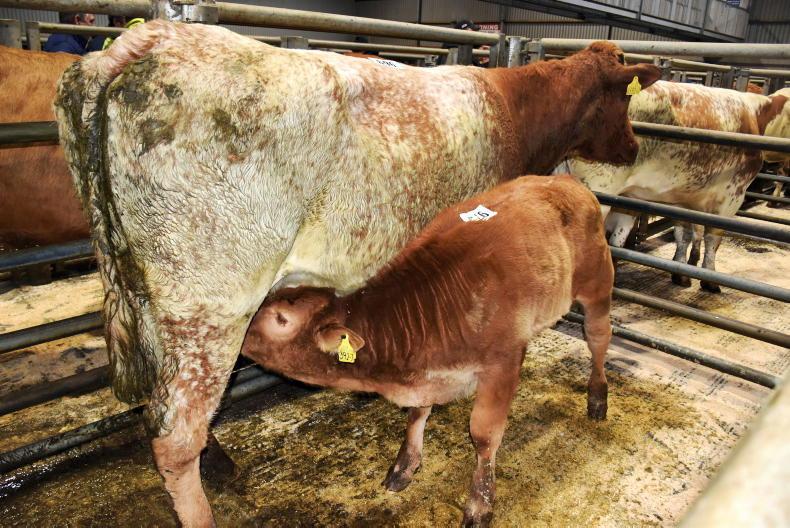
In the marts, first quality steers weighing to 400kg rose from 342p to 475p/kg (£400 for 300kg), continental drop calves increased from £445 to £550 and Friesian bulls from £150 to £290. First quality beef cows are up from 244p to 385p/kg (£1,058 for 750kg cow) and first quality dairy cows from 152p to 250p/kg (£637 for 650kg).
Reason
Of course, the temptation is to be pretty cautious around how livestock are valued in the latest accounts, but there is also a valid reason why the system exists as it is.
The principle effectively allows farmers to carry forward costs and match those costs to income when it arises.
In other words, if the system didn’t exist, farmers would be hit with a massive tax bill if and when they realise the value of their livestock.
It is also important to think through the implications of an outbreak of bovine TB and the potential that two years of cattle sales are forced into a short window.
If year end stock values are pretty accurate, it will help to spread the tax burden across both years and make best use of various tax allowances.



SHARING OPTIONS