



Scientific review backs DAERA’s NAP plan
An independent report compiled by scientists at the UK Centre for Ecology and Hydrology has concluded that controversial revisions to the Nutrients Action Programme “are a vital step” to improve water quality in NI.
The work, commissioned by the Office for Environmental Protection (OEP), assessed each of the main revisions to the NAP as proposed by DAERA and outlined in a public consultation which ran from 1 May to 24 July 2025.
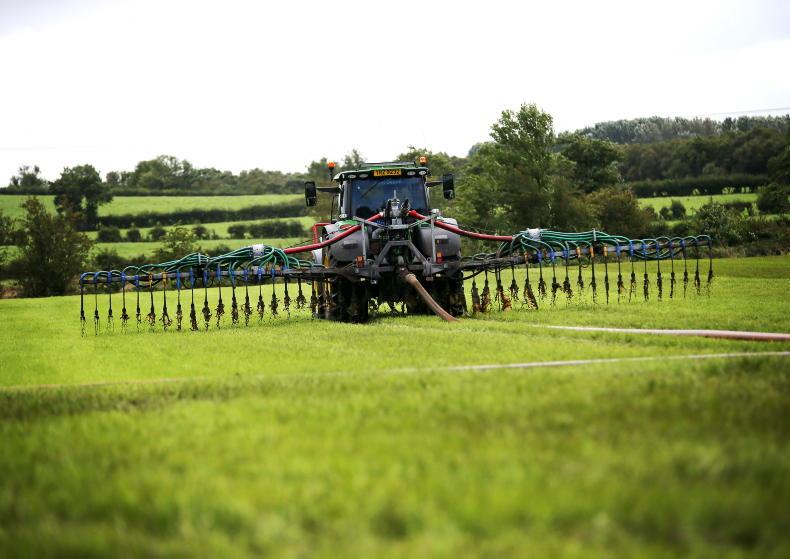
Some of the NAP proposals were assessed by the report authors as likely to have a minor impact on water quality, including preventing farmers from stacking round bales more than two high and imposing reduced slurry spreading rates in February and October.
Also assessed as having a minor impact are the proposals to revise nitrogen (N) fertiliser limits on grassland farms to take into account N from slurry and manures.
P balance
However, a ban on the use of chemical fertiliser containing phosphorus (P) on most grassland, was assessed as having a “medium-scale impact” as was the plan for P balance limits on more intensive farms of 10kg P/ha/year in 2027, falling to 8kg P/ha/yr in 2029. A report by AgriSearch, published in July, projected that compliance with those P balances would cost the NI economy nearly £1.6bn in 2029.
In their report, the scientists back the need for P balance limits, but point out that it could take five to 10 years to have a positive impact on water quality in NI. They also argue there is “scope for further lowering of the farm P balance in the future”.
On the DAERA proposal to have a 3m wide buffer strip alongside watercourses in arable fields, the report authors argue that buffer strips in general, could have a medium beneficial impact on water quality.
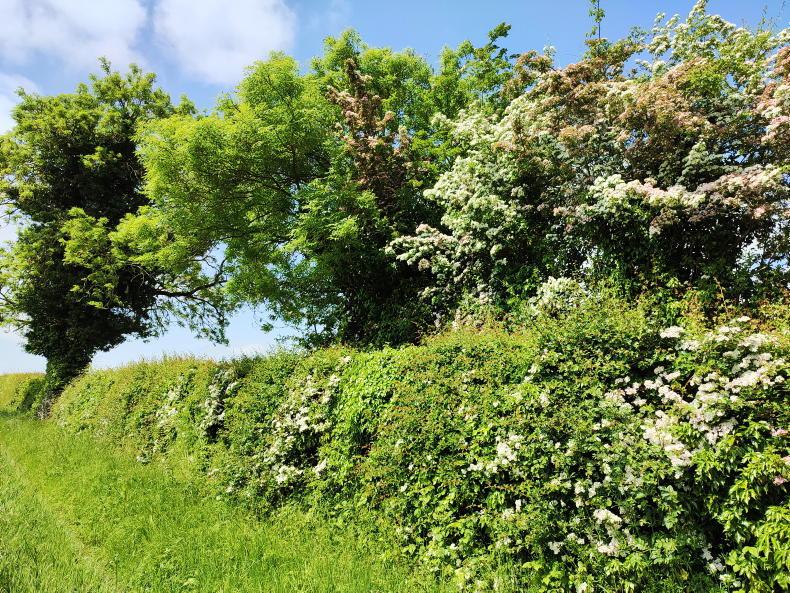
However, the strips need to be wider than 3m and should be planted with trees and bushes, although if there are working drains in place, which effectively bypass the buffer strip, then their impact is likely to be minimal.
Other considerations
As part of their work, the scientists also highlight a number of other issues, including that care should be taken by DAERA when assessing water quality data. Instead of relying on annual variations in N and P concentrations in water, which fluctuate due to weather, the department should assess the total nutrient load.
“This would make the data less likely to be skewed by wet and dry years,” states the report.
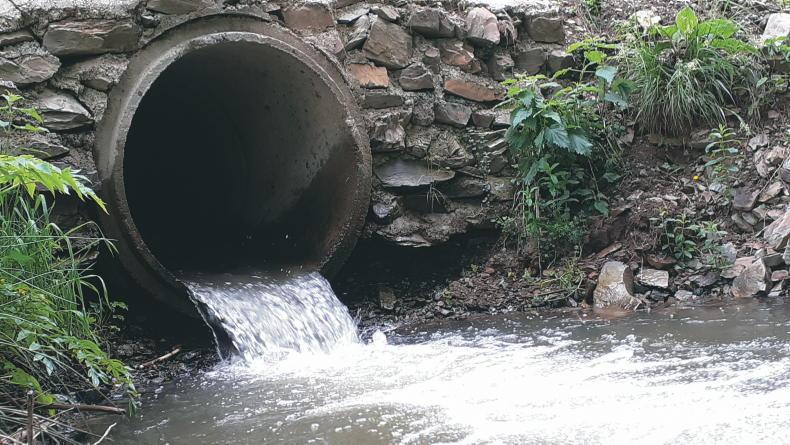
They also argue that other sources of nutrients must be tackled, including septic tanks, road run-off and sewage treatment works.




SHARING OPTIONS