



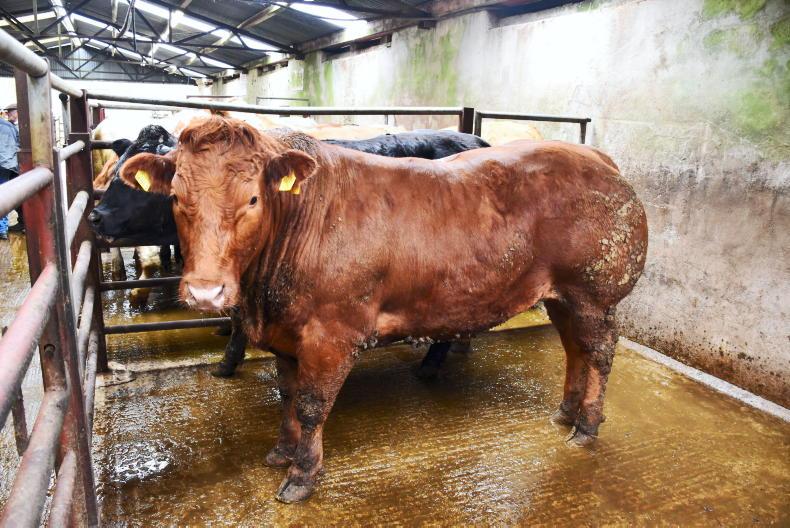
The latest figures published by DAERA show that in the 12 months to the end of June 2025, a total of 2,454 bovine TB positive cattle have been found at routine slaughter in NI.
In each of the cases, the animals were not TB reactors at a standard skin test, but instead DAERA meat inspectors observed TB-like lesions in the abattoir, which subsequently went on to culture positive in a laboratory.
Given the time this process takes, the data lags other TB statistics by a number of months.
Across all of 2024, there were 2,429 TB-infected cattle found at slaughter, with that number increasing significantly in each of the previous three years. Back in 2021, this total stood at 1,087, so it is up by 123% since then.
In 2024, these TB-infected cattle were found in 1,111 herds, with that number also rising sharply in recent years.
Back in 2021, there were 562 herds with TB cattle identified at slaughter.
Of all TB cattle found by DAERA in 2021, the proportion identified at routine slaughter stood at 7%. This figure has also been steadily rising since then and in 2024 it stood at 10.6%.
2025
Meanwhile, the most recent TB data to the end of October 2025, shows there were 16,004 reactor cattle at TB tests in NI. That total is down slightly on the 16,494 from the same period in 2024, but it is still one of the highest totals on record and up 14% on the 14,025 from 2023. Annual herd incidence, which is a measure of the number of new reactor herds out of all herds tested, currently stands at 10.60%.
The highest incidence rate of 16.25% is in the area covered by Newtownards Divisional Veterinary Office (DVO). Coleraine and Enniskillen DVOs also have incidence rates above the NI average.



SHARING OPTIONS