



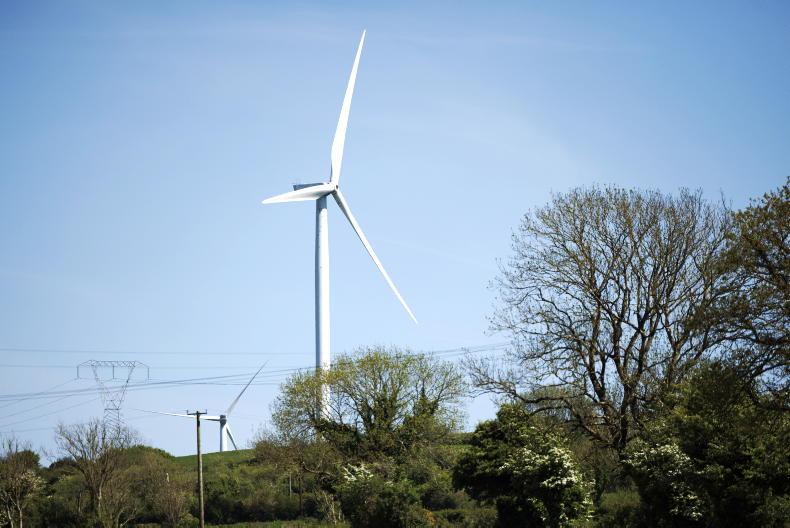
Green light for Clare wind farm
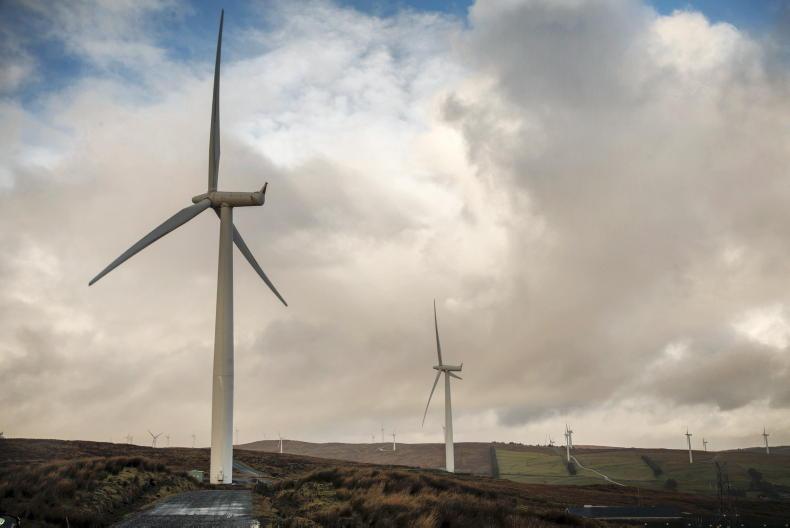
An Coimisiún Pleanála has approved Ballykett Green Energy Ltd’s plan’s to construct four wind turbines, up to 150m tall, near Kilrush, Co Clare.
The project was previously refused on six grounds, including turbine height and proximity to homes and amenities. Fianna Fáil TD Cathal Crowe, Cllr Cillian Murphy and Independent Cllr Ian Lynch were among those who objected to the project.
HVO home heating
The rollout of Hydrotreated Vegetable Oil (HVO) biofuel is accelerating and expanding into Ireland’s home heating market.
Fuel supplier Certa will offer EcoMax, a blend of 20% HVO and 80% kerosene, to 100,000 households in Dublin, Kildare and Louth. EcoMax can replace standard heating oil without boiler modifications.
Certa supplies over 265m litres of heating fuel p/a, with households using 1,000l to 2,000l each year. Around 714,000 Irish homes rely on liquid fuel boilers, contributing 10% of national emissions. Nationwide distribution is planned for 2026 despite ongoing concerns over HVO feedstock origins.
3,000ac UK solar farm
The UK government has granted permission for the Tillbridge Solar Project in Lincolnshire. Spanning 3,000ac of farmland near Glentworth, it will be the country’s largest solar farm to date.
The project will deliver up to 500 megawatts of electricity, enough to power more than 300,000 homes.
Energy Secretary Ed Miliband hailed the decision as a key step toward Britain’s net-zero and energy security goals. However, critics, including the Campaign to Protect Rural England, have condemned the move, arguing it sacrifices agricultural land and urged investment in rooftop and brownfield solar instead.
NI targets way off track
Northern Ireland is way off track on its Energy Strategy targets, despite spending £107m since 2020, a new report by Comptroller and Auditor, General Dorinnia Carville, has found.
The 2021 strategy aimed for net-zero emissions and affordable energy by 2030, but progress has been minimal. Only 1% of the planned 8,000 GWh energy savings has been achieved, and renewables supply just 45% of electricity.
The report highlights poor implementation, vague action plans and weak oversight, noting that the strategy oversight group only began monitoring progress in 2024, three years after its launch.



SHARING OPTIONS