A few weeks ago, I reported on Shay Phelan’s experience of what makes good growers have good performance every year. Shay presented his thoughts on this subject at the ITLUS conference and he was followed in this session by two growers who regularly achieve good crop performance. These two men did not speak much about yield levels, acres or scale, but their opinions on how things are changing are worth recording.
The two growers were Dick Fitzgerald from Ladysbridge in Co Cork and Mervyn McCann from Athy in Co Kildare.
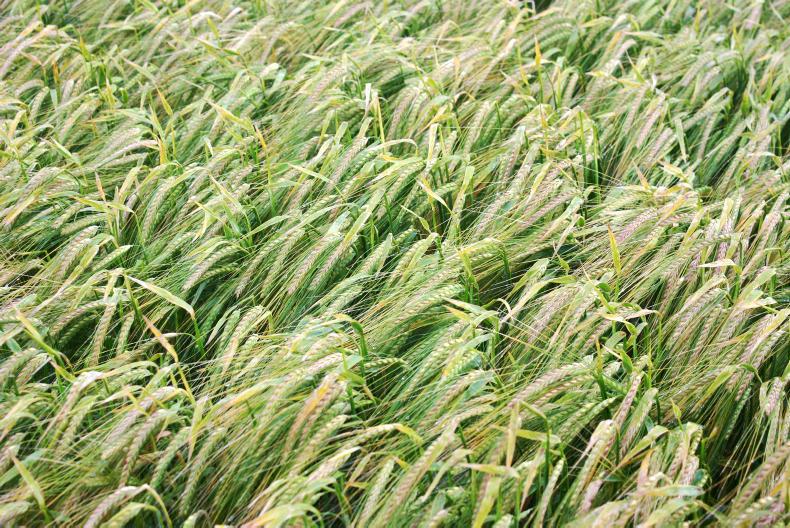
Both men regularly achieve very high yields and, when asked, they suggested that the potential field yields from the best fields were around 5.5t/ac for winter wheat, 5.2t/ac for winter barley and 3.7t/ac for spring barley.
Beet is still missed
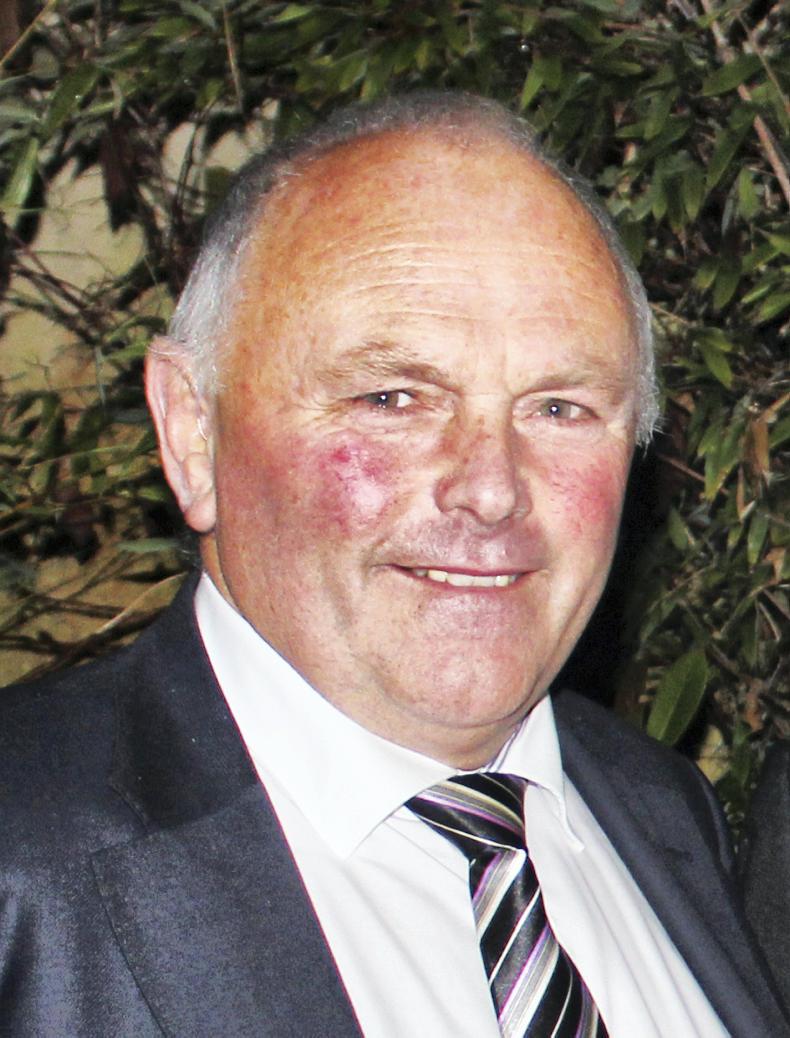
Dick Fitzgerald is a typical tillage farmer in east Cork who produces a range of crops to help spread risk and to help care for his land.
At the ITLUS conference last December, Dick said that he grows seed wheat, winter barley, malting barley, beans and some oilseed rape. He also sets some land for maize and potato production and this adds to the amount of break crop produced in his rotation.
Dick recalled the many benefits that sugar beet brought to tillage farmers. It was grown on one-third of the land on most farms, but still accounted for over half the profit. It was also used to help keep up soil fertility.
The fact that the national beet area was not replaced by an alternative break crop has hurt many farmers. Break crops are important to promote yield in other crops and also to help keep weeds, pests and pathogens at bay.
Tillage farmers are suffering for the past number of years and facing major challenges, Dick said. Soil fertility is dropping and rented land is not sustainable at current price levels.
There has been a big production increase globally in recent years resulting from increased area and yield, but the situation here is in reverse.
Farming close to Midleton, Dick is aggrieved that so much maize is currently being used to produce whiskey that is being called Irish whiskey. We need to promote the use of native grains because if we don’t do it, no one else will, he said. “Imagine the uproar if someone in France began to make French wine using Irish grapes,” Dick commented.
Dick is very concerned that the importation of grain and straw will result in new and even greater challenges for tillage farmers. We have more than enough problems to deal with without other farmers importing new problems for us, such as blackgrass in either grain or straw.
High yields from good soil fertility
Mervyn McCann farms with his father, Fred, near Athy in Co Kildare. About 40% of the land base is owned, with 50% leased and 10% share-farmed. The farm is fragmented as a result, but there are about six main land blocks.
Current land use sees about 40% of the area in winter barley, 35% in winter wheat (now regarded as a high-risk crop), oilseed rape is about 15% and about 10% is sown to either spring barley or spring oats.
About 80% of the land area is ploughed for crop establishment and about 20% is min-tilled. These two systems are alternated to provide a mechanism for weed control. But Mervyn indicated that min-till can be a difficult system if one does not have a good rotation.
A challenge for the future is to increase soil organic matter level to help restore some of the many benefits that this brings to soil and crop production. They can do this in a planned way because so much of the rented land is leased rather than rented. However, availability issues are still real, as are local concerns with regard to smells and the risk of botulism from broiler litter in particular.
The McCanns use varying sources of organic matter, including dry chicken litter and pig slurry when available. They also use Neutrog pellets, which are made from layers litter and are easily spreadable.
Soil fertility is seen as very important for productivity. The organic manures play a part in this, but application of artificial P and K is important also. Mervyn said that they always apply 1.5 bags/ac of 0:7:30 in the autumn before ploughing and in total they apply up to 33 to 45 units P/ac plus 103 to 135 units K/ac. The exact amount will depend on soil test results, off-take levels and the amount of organic P and K applied.
On agronomy, Mervyn said that they provide their own advice, which is derived from many different sources. Weed control is mainly autumn-applied using a number of the main products, but every field is reassessed in spring for possible follow-up treatments.
Attention to detail is always important and Mervyn said that they would have a weed map for most fields in their head to help with relevant decisions. Most of the land is rogued for wild oats, etc, as a matter of course, but one 300-acre block is still too bad to be rogued only and so it is also sprayed.
Varieties are selected based on their strengths and weaknesses. They use about 30% home-saved seed because it provides some saving (a suggested €10/ac when all things are considered), but mainly because it provides a quick turnaround of seed for early planting.
Grain marketing
With regard to grain marketing, Mervyn said that they actively seek out markets. But in this regard he spoke about the importance of keeping one’s word. The McCanns will also consider premium crops as a way to add margin, but only when it is practical for them to do so. The combination of many things allows them to achieve big yields and this potential must always be weighed up against a potential premium.
Mervyn believes IGAS assurance has helped to support the market in crunch times for them. He said it is important to honour end-user contracts and all that they involve. They tend to sell forward about half the expected harvest volume and this tends to be done in six to eight individual sales per annum.
He said that this system has generally paid them well and on the very odd occasion when it didn’t, the grain price was particularly good for the remainder of the product. This system helps most in the years when price pressure is highest and income is really threatened.
Most straw tends to be sold. This goes to regular customers at average prices, Mervyn said. He recently bought a new baler with a chopper and he is now selling a premium product for feeding.
Soil and machines
Soil damage is an ongoing concern and they try to minimise compaction through a range of management measures including tyres, where machinery is driven, etc.
Machinery was described as basic, with much of it kept for a considerable time and generally maintained by farm labour. Some machines were purchased second-hand. There are five tractors on the farm, but some of these are from the beet era. Mervyn said that horsepower availability on the farm amounts to 0.75hp/ac.
Many challenges
Mervyn obviously enjoys farming, but recognises many challenges for the future. These include the immediate issues of profitability and resistance to so many of the tools used in modern farming, such as fungicides, herbicides and insecticides. Access to land and its associated cost is also a concern to all tillage farmers, especially in the face of the falling basic payment value.
Add to these the issues associated with Brexit and climate change and there are more than enough challenges for the future.
But the one that frightens Mervyn most is the scourge of blackgrass, which he described as the foot-and-mouth disease of tillage farming.
Tim’s messages
from US tour
The opening speakers at the ITLUS conference had a very international tone as two speakers gave a rundown on various activities that the society was involved with in the US during 2016.
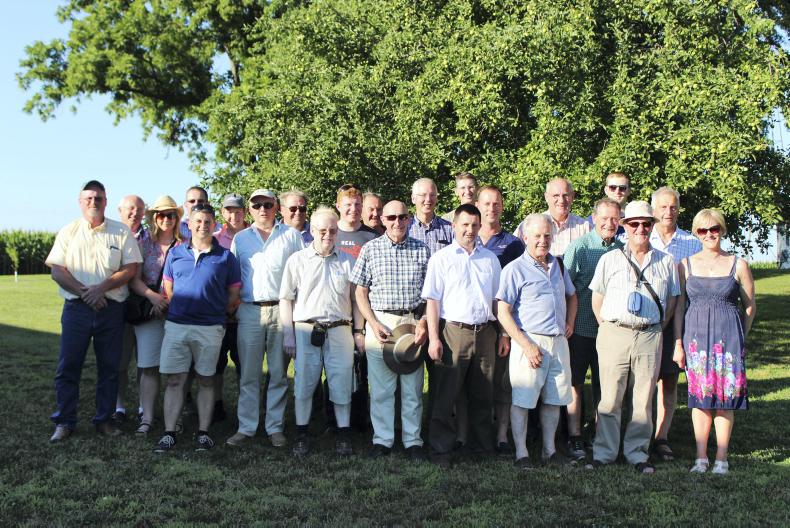
Tim O’Donovan from SeedTech gave a very concise report of the 26 visits encountered on the 2,500-mile journey. He pigeon-holed some of the experiences under the following headings:
Energy.Soil.Rotation.Scale.Genetics.Resourcefulness of the people.Hospitality.Energy: A number of visits centred on this theme. The recent report on the Baaken described this in some detail and could easily be seen by the development of infrastructure in the region. The local perspective was highly positive due to its economic impact. There was also a visit to a bioethanol plant which used maize to produce ethanol, with distillers, corn syrup and corn oil as byproducts.
Soil: There was a big interest in soil and its health and physical condition. Rotation, having a crop growing at all times, trash left on the surface, organic matter levels and no-till cultivation were all elements of the approaches being used.
Rotation: While many areas of the Midwest only rotate maize and soya beans, the power of rotation was clearly visible on the Dakota Lakes research farm. Here, a number of long-term rotations are being examined for their affect on soil structure, crop yield and moisture retention in this rainfall-deficit region.
Scale: Big farms and big scale could not be avoided. And those with good land and adequate moisture are now producing big yields too, especially of maize.
Crop management: Land use differed depending on where we were. Grass and hay appeared to be a dominant land use in western North Dakota, but grassland was seldom fertilised. Rotation, including grass, was being promoted to help improve soil health, structure and productivity and this appeared to be working. Someone told us that desirable changes in the cropping system resulted in output increases of some $2bn per annum in just one county. Grassland use was extensive in the Dakotas, with large farm sizes run at around 15 acres per suckler cow being common. But farm size appeared to be significantly smaller in Iowa and especially in Sioux county, where land use was very intensive, mainly as soya and corn and cattle fattening. In corn and soya bean country, GM varieties were common, but there was a definite swing to alternative herbicide strategies resulting from the continuing build-up of herbicide resistance. But genetic improvements continue and new tools are being developed to help manage problems.
Hospitality: One could not give a true report of this tour without commenting on the hospitality of the people everywhere we went, Tim stated.
Travel teaches
Denis Dunne was the ITLUS intern who spent the second half of 2016 working on the Rosenbohm farm in Graham, Missouri. With the harvest completed, he had just returned home and relayed his summer activities to the ITLUS audience. Denis began by saying that the ITLUS group who preceded him on the study tour last June left a good feeling locally and this made it easier for him to settle in.
While planting was completed by the time he arrived, Denis said that he was still busy from the time he got there. Like any farm, there is always so much to be done and the scale is so massive. Denis said that he spent some time initially involved in machinery repair and maintenance for harvest and this involved the replacement of unloading auger parts as “soya beans are very hard on metal”.
He said he was very impressed at the efforts to protect land and soil structure and that many farmers are now planting catch crops over winter to help to do this. These are increasingly being planted by dusting planes so that they are growing before the crop is cleared.
Farms in this region are largely self-sufficient in terms of machine maintenance. Most jobs are done by family members and they have built many purpose-built machines for specific purposes.
Work is all about being prepared and having equipment ready to go full blast when the opportunity arrives. This is essential for harvest, which saw 4,500 acres harvested in six weeks from 19 September.
Management is about productivity. Overall rainfall levels are broadly similar to Ireland, but it is much more intense. So land travel is always a problem following rain, rather than moisture content in the grain. At spraying time, two self-propelled sprayers can easily cover 1,000 acres per day each with the help of support rigs that carry water and chemicals. All systems are designed for output.
Most of the time when the combines move from field to field they travel on the public road with the headers attached. “There is just so little traffic on the roads that this is not an issue,” Denis said.
And in work, the maize headers have row feelers so the machine itself follows the curved rows in the fields that were drilled along contours.
At harvest, all of the corn was dried (where necessary) and stored, mainly in bins. The soya beans were all for seed and each delivery is put into solid boxes in which they are stored post-delivery and from which they are subsequently stored and bagged. Soya bean seed is bagged in units that contain five million six hundred thousand seeds and weigh approximately 850kg per bag.
Denis concluded by saying that the experience was invaluable both in terms of understanding the crop production systems there and also in terms of the experiences gained and the people met.
A few weeks ago, I reported on Shay Phelan’s experience of what makes good growers have good performance every year. Shay presented his thoughts on this subject at the ITLUS conference and he was followed in this session by two growers who regularly achieve good crop performance. These two men did not speak much about yield levels, acres or scale, but their opinions on how things are changing are worth recording.
The two growers were Dick Fitzgerald from Ladysbridge in Co Cork and Mervyn McCann from Athy in Co Kildare.
Both men regularly achieve very high yields and, when asked, they suggested that the potential field yields from the best fields were around 5.5t/ac for winter wheat, 5.2t/ac for winter barley and 3.7t/ac for spring barley.
Beet is still missed
Dick Fitzgerald is a typical tillage farmer in east Cork who produces a range of crops to help spread risk and to help care for his land.
At the ITLUS conference last December, Dick said that he grows seed wheat, winter barley, malting barley, beans and some oilseed rape. He also sets some land for maize and potato production and this adds to the amount of break crop produced in his rotation.
Dick recalled the many benefits that sugar beet brought to tillage farmers. It was grown on one-third of the land on most farms, but still accounted for over half the profit. It was also used to help keep up soil fertility.
The fact that the national beet area was not replaced by an alternative break crop has hurt many farmers. Break crops are important to promote yield in other crops and also to help keep weeds, pests and pathogens at bay.
Tillage farmers are suffering for the past number of years and facing major challenges, Dick said. Soil fertility is dropping and rented land is not sustainable at current price levels.
There has been a big production increase globally in recent years resulting from increased area and yield, but the situation here is in reverse.
Farming close to Midleton, Dick is aggrieved that so much maize is currently being used to produce whiskey that is being called Irish whiskey. We need to promote the use of native grains because if we don’t do it, no one else will, he said. “Imagine the uproar if someone in France began to make French wine using Irish grapes,” Dick commented.
Dick is very concerned that the importation of grain and straw will result in new and even greater challenges for tillage farmers. We have more than enough problems to deal with without other farmers importing new problems for us, such as blackgrass in either grain or straw.
High yields from good soil fertility
Mervyn McCann farms with his father, Fred, near Athy in Co Kildare. About 40% of the land base is owned, with 50% leased and 10% share-farmed. The farm is fragmented as a result, but there are about six main land blocks.
Current land use sees about 40% of the area in winter barley, 35% in winter wheat (now regarded as a high-risk crop), oilseed rape is about 15% and about 10% is sown to either spring barley or spring oats.
About 80% of the land area is ploughed for crop establishment and about 20% is min-tilled. These two systems are alternated to provide a mechanism for weed control. But Mervyn indicated that min-till can be a difficult system if one does not have a good rotation.
A challenge for the future is to increase soil organic matter level to help restore some of the many benefits that this brings to soil and crop production. They can do this in a planned way because so much of the rented land is leased rather than rented. However, availability issues are still real, as are local concerns with regard to smells and the risk of botulism from broiler litter in particular.
The McCanns use varying sources of organic matter, including dry chicken litter and pig slurry when available. They also use Neutrog pellets, which are made from layers litter and are easily spreadable.
Soil fertility is seen as very important for productivity. The organic manures play a part in this, but application of artificial P and K is important also. Mervyn said that they always apply 1.5 bags/ac of 0:7:30 in the autumn before ploughing and in total they apply up to 33 to 45 units P/ac plus 103 to 135 units K/ac. The exact amount will depend on soil test results, off-take levels and the amount of organic P and K applied.
On agronomy, Mervyn said that they provide their own advice, which is derived from many different sources. Weed control is mainly autumn-applied using a number of the main products, but every field is reassessed in spring for possible follow-up treatments.
Attention to detail is always important and Mervyn said that they would have a weed map for most fields in their head to help with relevant decisions. Most of the land is rogued for wild oats, etc, as a matter of course, but one 300-acre block is still too bad to be rogued only and so it is also sprayed.
Varieties are selected based on their strengths and weaknesses. They use about 30% home-saved seed because it provides some saving (a suggested €10/ac when all things are considered), but mainly because it provides a quick turnaround of seed for early planting.
Grain marketing
With regard to grain marketing, Mervyn said that they actively seek out markets. But in this regard he spoke about the importance of keeping one’s word. The McCanns will also consider premium crops as a way to add margin, but only when it is practical for them to do so. The combination of many things allows them to achieve big yields and this potential must always be weighed up against a potential premium.
Mervyn believes IGAS assurance has helped to support the market in crunch times for them. He said it is important to honour end-user contracts and all that they involve. They tend to sell forward about half the expected harvest volume and this tends to be done in six to eight individual sales per annum.
He said that this system has generally paid them well and on the very odd occasion when it didn’t, the grain price was particularly good for the remainder of the product. This system helps most in the years when price pressure is highest and income is really threatened.
Most straw tends to be sold. This goes to regular customers at average prices, Mervyn said. He recently bought a new baler with a chopper and he is now selling a premium product for feeding.
Soil and machines
Soil damage is an ongoing concern and they try to minimise compaction through a range of management measures including tyres, where machinery is driven, etc.
Machinery was described as basic, with much of it kept for a considerable time and generally maintained by farm labour. Some machines were purchased second-hand. There are five tractors on the farm, but some of these are from the beet era. Mervyn said that horsepower availability on the farm amounts to 0.75hp/ac.
Many challenges
Mervyn obviously enjoys farming, but recognises many challenges for the future. These include the immediate issues of profitability and resistance to so many of the tools used in modern farming, such as fungicides, herbicides and insecticides. Access to land and its associated cost is also a concern to all tillage farmers, especially in the face of the falling basic payment value.
Add to these the issues associated with Brexit and climate change and there are more than enough challenges for the future.
But the one that frightens Mervyn most is the scourge of blackgrass, which he described as the foot-and-mouth disease of tillage farming.
Tim’s messages
from US tour
The opening speakers at the ITLUS conference had a very international tone as two speakers gave a rundown on various activities that the society was involved with in the US during 2016.
Tim O’Donovan from SeedTech gave a very concise report of the 26 visits encountered on the 2,500-mile journey. He pigeon-holed some of the experiences under the following headings:
Energy.Soil.Rotation.Scale.Genetics.Resourcefulness of the people.Hospitality.Energy: A number of visits centred on this theme. The recent report on the Baaken described this in some detail and could easily be seen by the development of infrastructure in the region. The local perspective was highly positive due to its economic impact. There was also a visit to a bioethanol plant which used maize to produce ethanol, with distillers, corn syrup and corn oil as byproducts.
Soil: There was a big interest in soil and its health and physical condition. Rotation, having a crop growing at all times, trash left on the surface, organic matter levels and no-till cultivation were all elements of the approaches being used.
Rotation: While many areas of the Midwest only rotate maize and soya beans, the power of rotation was clearly visible on the Dakota Lakes research farm. Here, a number of long-term rotations are being examined for their affect on soil structure, crop yield and moisture retention in this rainfall-deficit region.
Scale: Big farms and big scale could not be avoided. And those with good land and adequate moisture are now producing big yields too, especially of maize.
Crop management: Land use differed depending on where we were. Grass and hay appeared to be a dominant land use in western North Dakota, but grassland was seldom fertilised. Rotation, including grass, was being promoted to help improve soil health, structure and productivity and this appeared to be working. Someone told us that desirable changes in the cropping system resulted in output increases of some $2bn per annum in just one county. Grassland use was extensive in the Dakotas, with large farm sizes run at around 15 acres per suckler cow being common. But farm size appeared to be significantly smaller in Iowa and especially in Sioux county, where land use was very intensive, mainly as soya and corn and cattle fattening. In corn and soya bean country, GM varieties were common, but there was a definite swing to alternative herbicide strategies resulting from the continuing build-up of herbicide resistance. But genetic improvements continue and new tools are being developed to help manage problems.
Hospitality: One could not give a true report of this tour without commenting on the hospitality of the people everywhere we went, Tim stated.
Travel teaches
Denis Dunne was the ITLUS intern who spent the second half of 2016 working on the Rosenbohm farm in Graham, Missouri. With the harvest completed, he had just returned home and relayed his summer activities to the ITLUS audience. Denis began by saying that the ITLUS group who preceded him on the study tour last June left a good feeling locally and this made it easier for him to settle in.
While planting was completed by the time he arrived, Denis said that he was still busy from the time he got there. Like any farm, there is always so much to be done and the scale is so massive. Denis said that he spent some time initially involved in machinery repair and maintenance for harvest and this involved the replacement of unloading auger parts as “soya beans are very hard on metal”.
He said he was very impressed at the efforts to protect land and soil structure and that many farmers are now planting catch crops over winter to help to do this. These are increasingly being planted by dusting planes so that they are growing before the crop is cleared.
Farms in this region are largely self-sufficient in terms of machine maintenance. Most jobs are done by family members and they have built many purpose-built machines for specific purposes.
Work is all about being prepared and having equipment ready to go full blast when the opportunity arrives. This is essential for harvest, which saw 4,500 acres harvested in six weeks from 19 September.
Management is about productivity. Overall rainfall levels are broadly similar to Ireland, but it is much more intense. So land travel is always a problem following rain, rather than moisture content in the grain. At spraying time, two self-propelled sprayers can easily cover 1,000 acres per day each with the help of support rigs that carry water and chemicals. All systems are designed for output.
Most of the time when the combines move from field to field they travel on the public road with the headers attached. “There is just so little traffic on the roads that this is not an issue,” Denis said.
And in work, the maize headers have row feelers so the machine itself follows the curved rows in the fields that were drilled along contours.
At harvest, all of the corn was dried (where necessary) and stored, mainly in bins. The soya beans were all for seed and each delivery is put into solid boxes in which they are stored post-delivery and from which they are subsequently stored and bagged. Soya bean seed is bagged in units that contain five million six hundred thousand seeds and weigh approximately 850kg per bag.
Denis concluded by saying that the experience was invaluable both in terms of understanding the crop production systems there and also in terms of the experiences gained and the people met.







SHARING OPTIONS