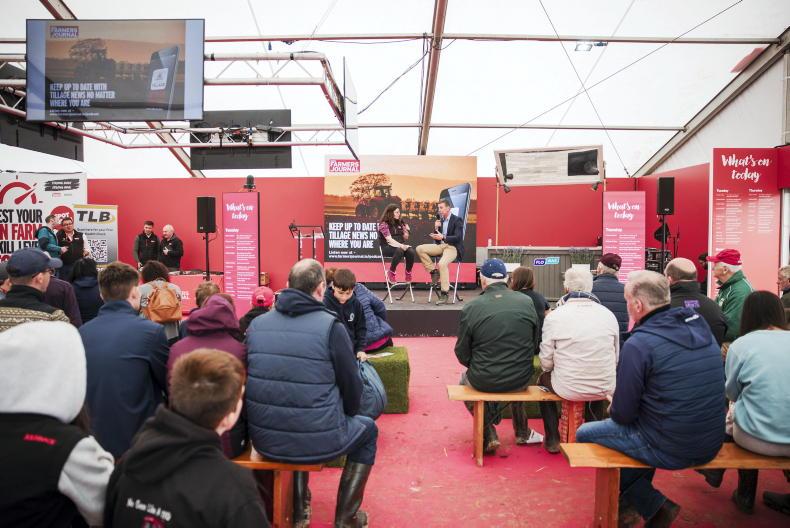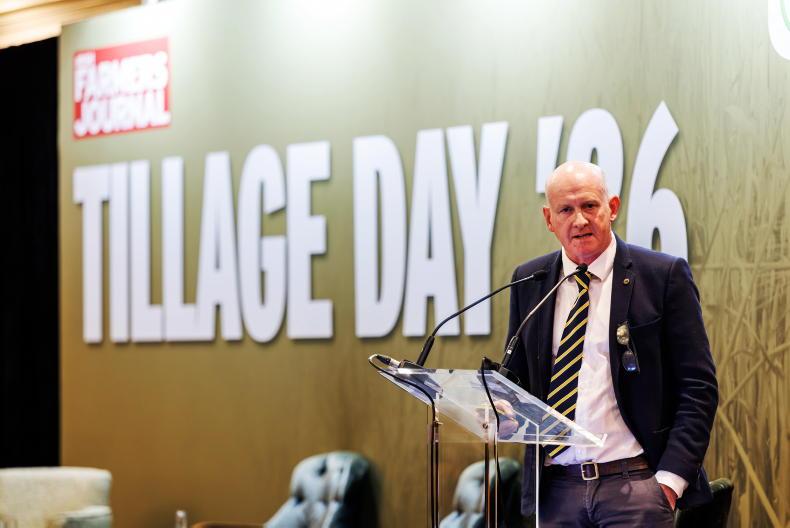
Research being conducted on UCD’s Lyons Estate led to a lively debate around the inclusion rate of native grain at the Irish Farmers Journal Tillage Day 2026 conference.
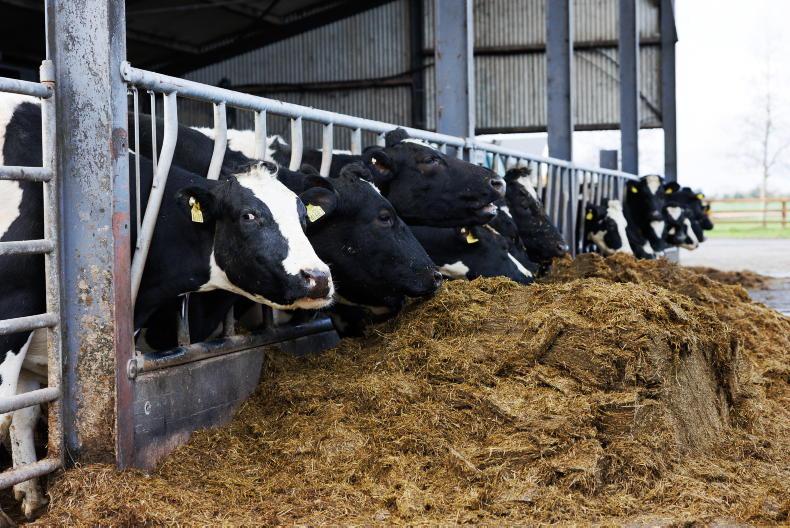
Professor Finbar Mulligan showed how a high-output dairy herd, being fed 1.5 tonnes of an Irish-grown concentrate diet, had produced good economic and sustainability metrics.
Stocking rate was reduced, but milk output per hectare increased.
“If we have a situation where we don't have a derogation from the nitrates directive, then we may need a model of milk production that's based on higher output per cow to supply the milk that our processors need, or certainly – at the very least – that model of milk production is worthy of research,” he said.
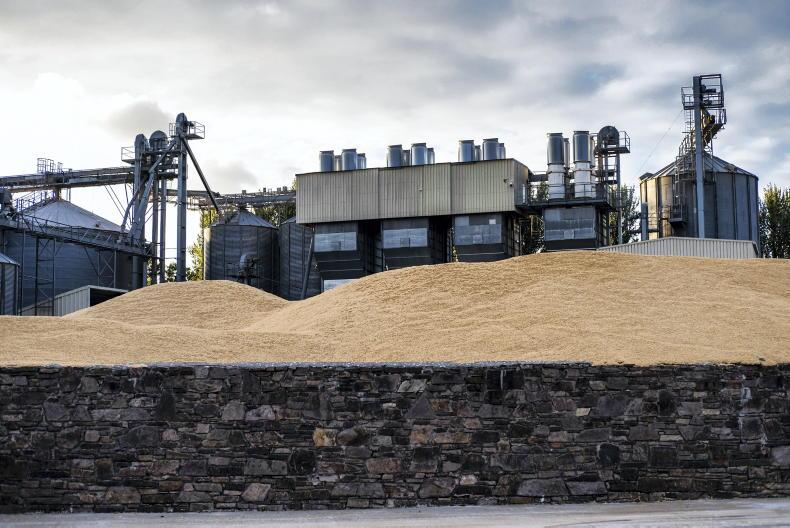
“There are really only three feeds in the system; Irish grass, Irish grass silage, and concentrate feed. And remember, for the last three or four years of this project, almost the entirety of the concentrated field has been grown on Irish farm,” added Mulligan.
“The average level of production was 587 kilos of fat and protein produced per cow per year. That's approximately 33% higher than the national average level of fat and protein produced on Irish dairy farms, so we see it as something that is significantly useful.”
'Biggest single cost'
Irish Farmers Journal dairy editor Brendan Horan said Irish dairy farmers couldn’t pay more for Irish grain than that coming in on a boat.
“Total costs are 36c/litre, approximately 10c of that is feed costs. Costs are driving dairy farmers bananas at the moment. Feed costs are too high; it's the biggest single cost.”
IFA chair John Murphy sharply disagreed with this opinion.
“We talk about Irish dairy overseas, and we talk about grass-fed. We talk about the 95% of the diet that goes into production of this fantastic dairy product. We don't typically talk about what's in the other 5 to 10%.”
All sides agreed that more synergy between tillage and dairy farmers is achievable.
Murphy pointed to the ability of tillage farmers to use nutrients like slurry and dung, bringing costs down.
Horan highlighted the potential of buffer crops, referencing work done on growing forage crops like forage rye as a wholecrop grown between a winter crop and the following spring cereal crop.