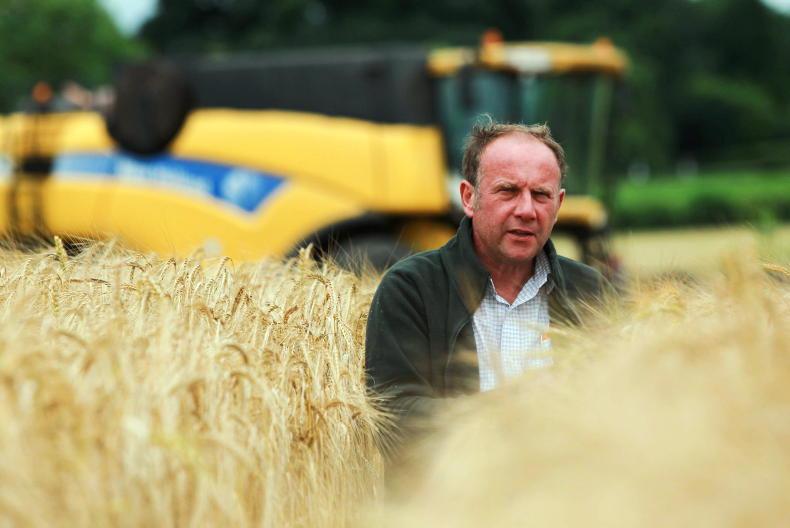
It was a rare sunny but chilly morning in this awful spring. I was out walking crops, the going was heavy, and I needed a break. Taking off my coat, I threw it on the sunny side of a bank and stretched out.
Billy and Pippa, the two terriers, love when I do this as its an excuse to climb all over me and wash my face, which is grand for two minutes but a pain after five.
Now relaxed, my thoughts were on the incredible progress in agriculture in the last 100 years.
A lady in the parish, and of farming stock, had recently celebrated her 100th birthday and this was clearly what had steered my mind in this direction.
Now I should add in the Ireland of today it’s not hugely uncommon for someone to reach this milestone; around 200 people do so every year. But equally, too many people are gone by half that age.
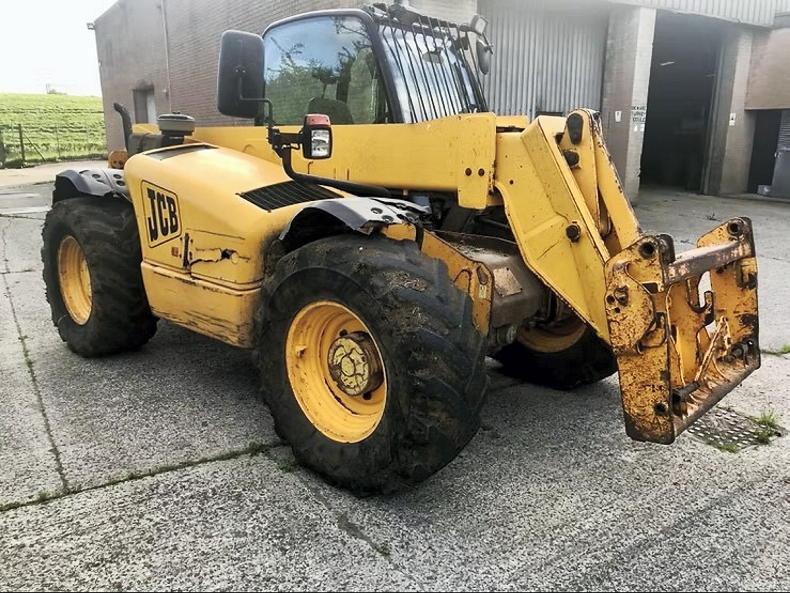
When Pam was born in 1926 there were very few tractors in Ireland. Henry Ford and Son had opened its Cork plant in 1917, but sales into the domestic market were slow and nine years later there were just about 1,000 tractors, of all makes, working in Ireland.
At the same time there was still around 400,000 working horses, most of which were on farms.
So, tractors were pretty uncommon in 1926 and certainly most of the draught work was done with horses; all this in Pam’s lifetime, which is incredible.
Incidentally, one of the first farms in the county to mechanise with tractors was the Headfort Estate in Kells, now farmed by the Sheridan family, with tractors 20 times the horsepower of those in 1926. But much earlier than this, Tullynally, the Westmeath estate of the Pakenham family, had a more illustrious history of agricultural mechanisation.
Incidentally, one of the first farms in the county to mechanise with tractors was the Headfort Estate in Kells, now farmed by the Sheridan family, with tractors 20 times the horsepower of those in 1926
Steam ploughing was tried there in the 1880s, where a pair of Fowler steam engines winched, on huge underslung cable drums, a four-furrow plough up and down the fields.
But lots of solitary oaks or, worse still, clumps of trees scattered in the midst of their large fields made steam ploughing a non-runner.
The Pakenhams (lords Longford) have always loved their trees and removal was not an option.
Today the pioneering mechanisation carries on as, while much of the estate is given over to cows, the tillage land is direct drilled.
Anyhow, back to 1926 and Harry Ferguson was at the forefront of tractor development. That was the year that he invented the Ferguson system of draft control, a system still in use today.
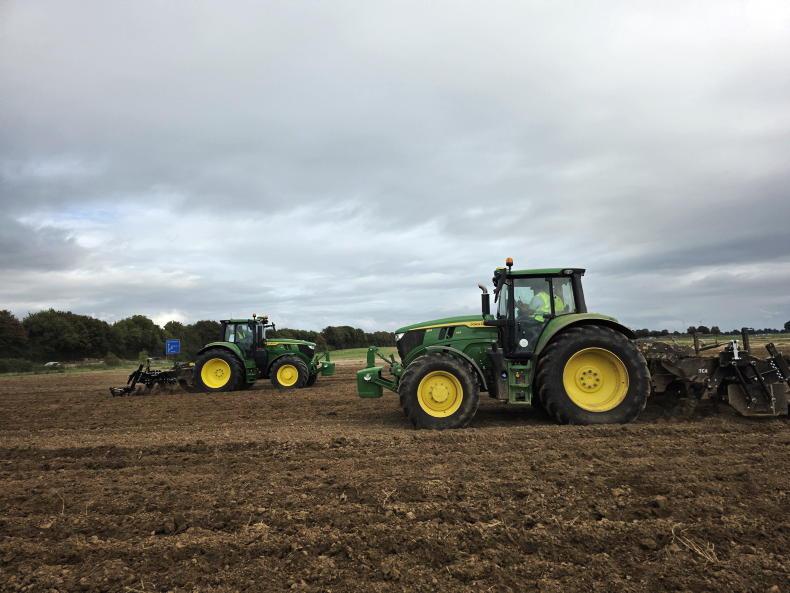
Meanwhile, out in the tillage fields a pair of horses and a plough turned over just one acre a day. Contrast that with 100 years later – a single lifetime – and a big rubber-tracked Deere or Claas can plough over 50 acres in a day.
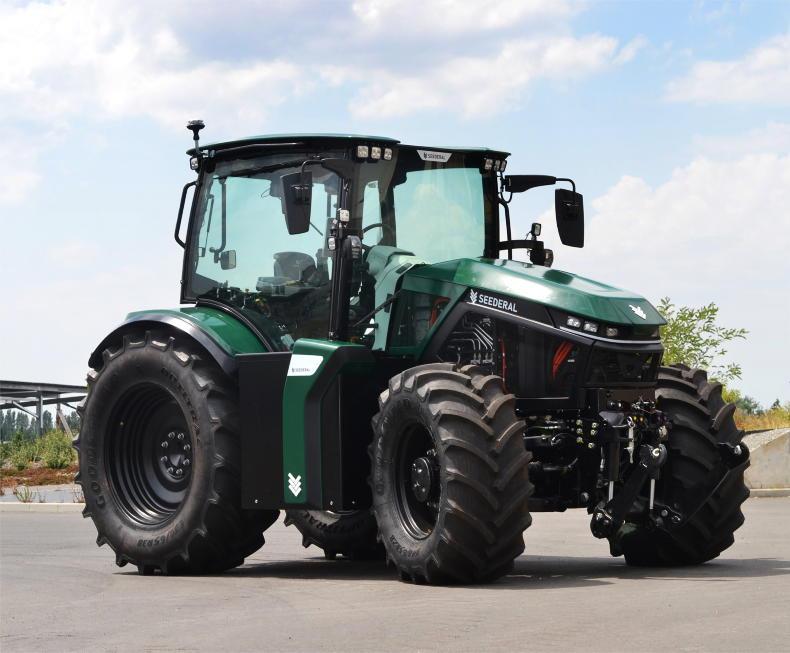
And that progress continues unbated. Even in my lifetime machinery has trebled in size.
Sprayer tanks are now bigger than 1970s slurry tankers and slurry tankers are now the size of HGV road tankers. Combine tanks are bigger than a 1970s grain trailer and their headers are wider than a 1970s sprayer boom.
Add to that today’s sprayer booms are wider than a Boeing 747. And a Ford 7600 and Donmac buckrake on the pit are replaced with a 20t Komatsu shovel.
So are we any happier today than people were in 1926? Well ploughmen certainly are, whatever about the rest of us. Spending a long day in all weathers tramping behind a plough wasn’t exactly a pile of fun. Which is probably why Pam’s husband bought a new Porsche tractor in the 1950s. And he lived to 95.