


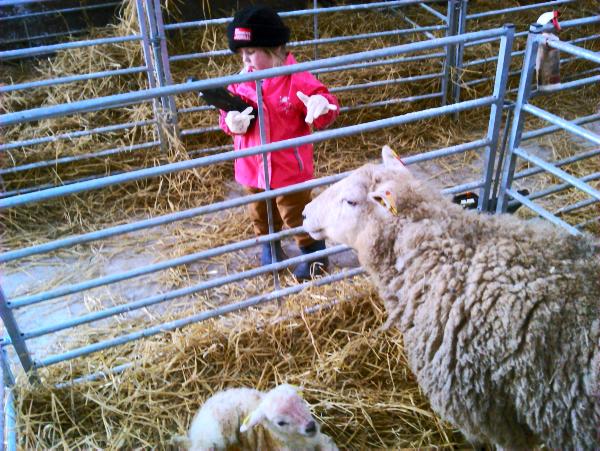
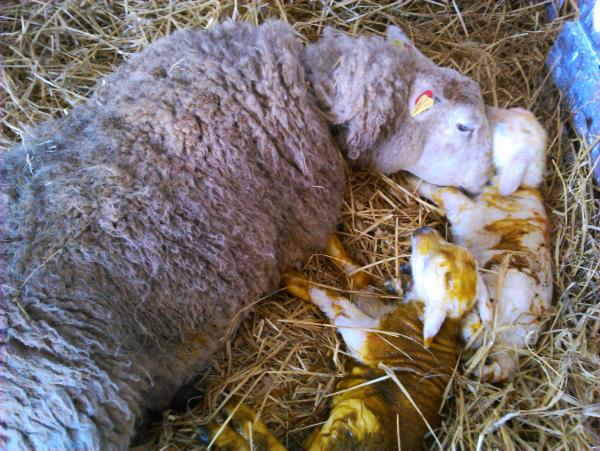
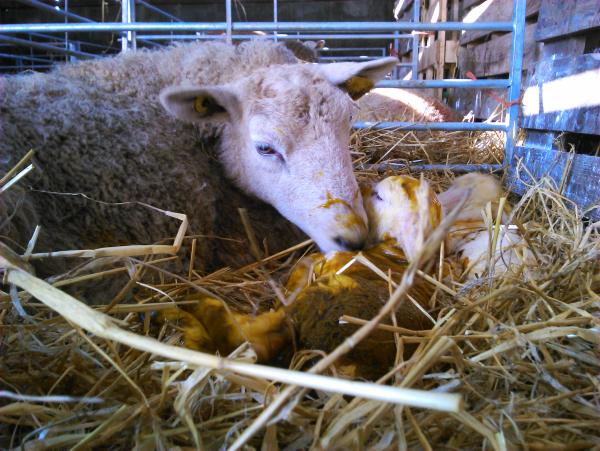
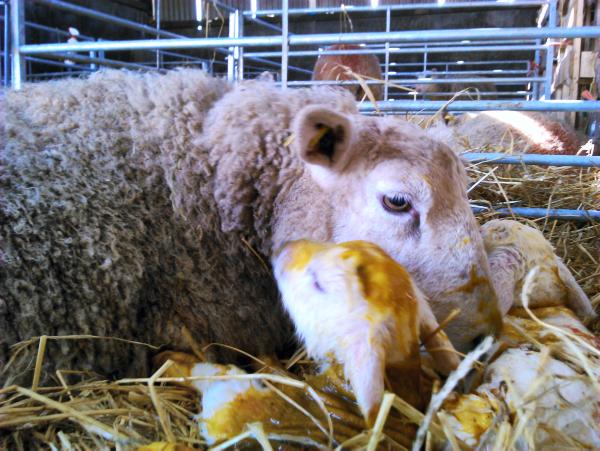
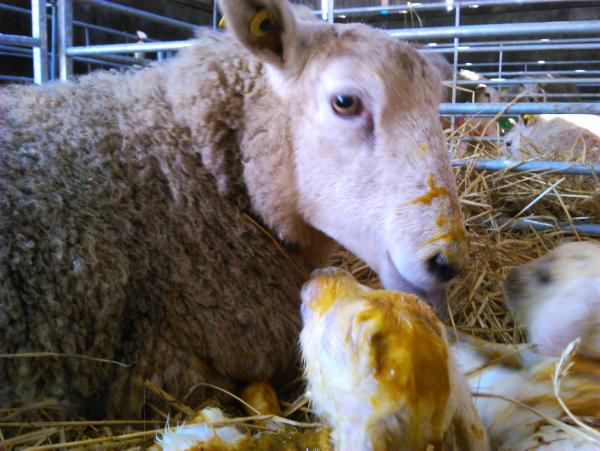
Lambing is drawing to a close here on the farm. Over 90% of mature ewes have lambed in a four-week period. This leaves only a handful of stragglers left to lamb alongside the ewe lambs (yearlings) that are currently lambing.
It is at this stage that I find fatigue sets in, with all the nights of broken sleep starting to take their toll. There is an increased chance of lamb mortality due to the slower pace of lambing and the bed is getting harder to leave in the middle of the night to check that everything is alright in the lambing shed.
My attention is also diverted to focus more on the ewes and lambs that are out on grass.
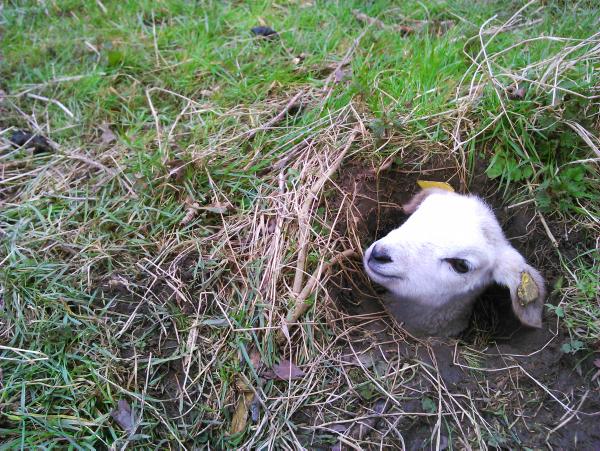
Not only am I managing what grass is available for them but my time has been spent herding and checking the sheep – I even ended up pulling a lamb out of a rabbit’s burrow.
There are a lot of small groups in fields at present, resulting in many partially grazed fields. As a result, it is difficult to put a figure on the grass growth but, going on my most recent grass measurements, there are about 28 days grazing ahead.
The weather over the previous weekend resulted in two ewes going down with grass tetany. One of these ewes was saved with the timely administration of Cal-Mag subcutaneously, while the second ewe on the other hand was not as fortunate.
Grass tetany is characterised by too little magnesium in the blood, but a low blood calcium level also may be present. Low magnesium concentration is usually a factor in the development of grass tetany, but the disease can occur even if the feed is not deficient in magnesium.
Affected sheep become separated from the flock and show muscular tremors, nervous excitement and a staggered or stiff gait. Finally, they go into convulsions. The animal may appear intoxicated. Death usually occurs within a few hours.
Attacks can be brought about by the stresses associated with moving or severe changes in weather conditions (like last weekend) and the disorder can occur at any time, especially when there is an abrupt change to lush, rapidly growing forage, particularly after fertilizer has been applied.
Older ewes
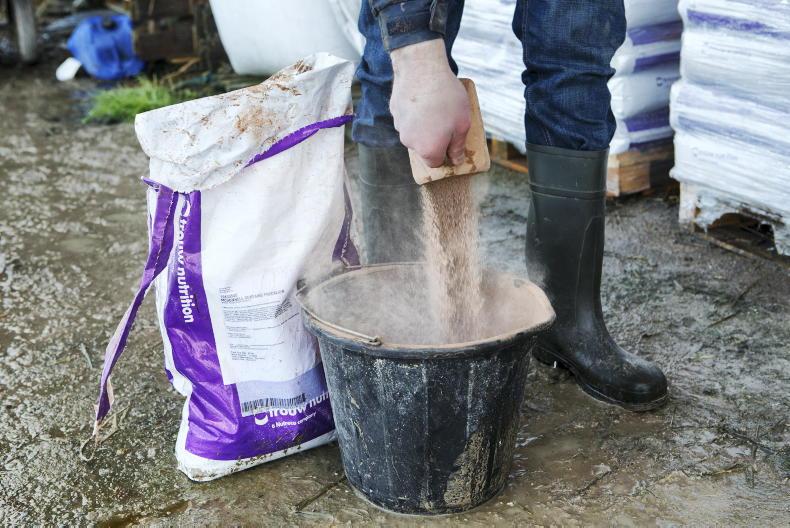
In my experience, it seems to occur to an older ewe in the flock with strong twin lambs. I have placed lick buckets containing magnesium out in the fields to try and prevent any further cases of this from happening and, hopefully, I’ve seen the last of it for this year.
It is one of the diseases that I dread to see in my flock as it is horrendous to see the sheep suffer when treatment is unsuccessful. But, when caught in time, it is amazing to see how rapidly intervention takes effect.
My plan this week in conjunction with keeping a watchful eye on those yet to lamb is to treat dry hoggets for fluke. They have been outside all winter so another treatment for fluke is necessary at this stage.
This will be an ideal time to demonstrate the proper techniques in calibrating the equipment needed to the students who are here on placement and for them to get plenty of hands-on experience administering doses. They should get ample practice as the ewes will also be getting a clostridial booster to sync them into next year’s vaccination programme along with their fluke dose.




SHARING OPTIONS