



Every spring throws up something unexpected to keep farmers on their toes. Weather is the chief provider and it’s either too cold, too wet, too dry or too windy. A lesson learned a number of years ago was to plan around the spring rotation grazing planner but don’t be rigid in implementing it and play the conditions instead.
That’s very much the case now and adaptation is the name of the game here at the moment. Earlier in the year, the intention was to get heifers to the out farm before March was over.
Deciding to vaccinate for bluetongue scuppered that as the booster vaccine for the first ones to go there is only due now. Labour constraints mean giving the first shot here and the booster later isn’t a runner. They’ll get the booster shot before the weekend along with a first shot for most of the calved cows.
Those 2025-born cattle are all at grass now, some nearly three weeks. The last few only got out at the weekend.
A bluetongue vaccination programme was only decided on in late February so all the options were thrown in the decision-making process and it was a better option to hold them here until that was completed.
A good share of cows calved well ahead of their scanning date and the numbers left are almost at single-digit level. How long those last few take is anyone’s guess. Having so many calve earlier than expected meant grazing plans varied from what was initially planned. The most noticeable feature of this year’s calving is the number of heifers. If I had used sexed semen to get heifers, I would have been delighted with the results.
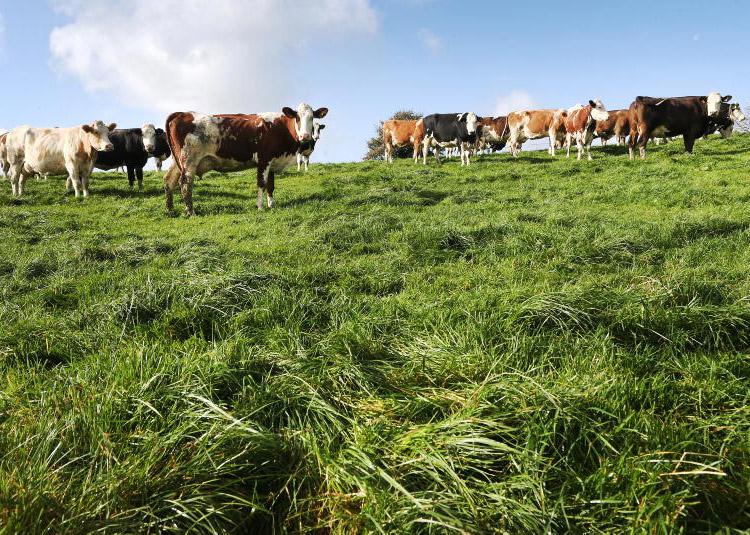
Currently, there’s three different groups of cows and calves out. The older cows are in a small group and two paddocks will keep them going. The first calvers are mainly based on a paddock that is targeted for reseeding.
As they’re semi-convenient to the yard, I’ll offer them silage in the shed and entice them in with a small bit of ration. That should stand to me when it comes to them moving yards in the next fortnight. Well, it will mean the heifers will come in easy, their calves could be a different matter entirely.
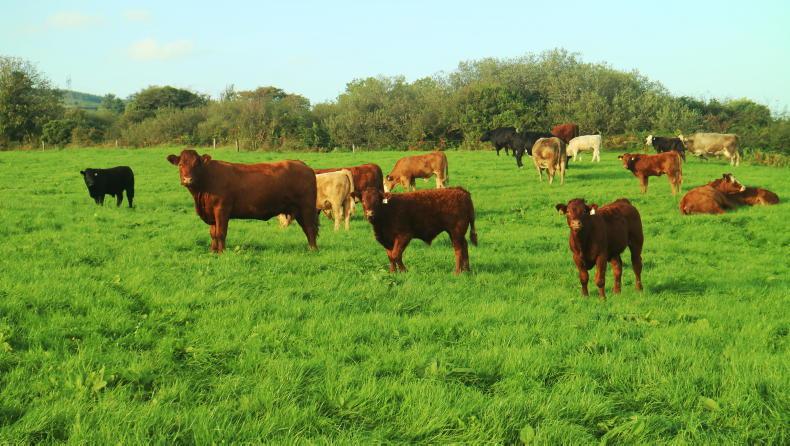
The final group is all the cows that calved from mid-March onwards. I just bit the bullet last week and emptied the shed of everything that was calved. Wind and rain meant conditions weren’t perfect but where they were going, there was enough ditch and furze bush shelter options to keep calves out of bother.
Anywhere but the shed really. A lesson learned here before is that it’s labour and straw intensive to keep sucklers and small calves in the shed, so out they went. There’s the option to offer silage outside if needed and it’s just a stop-gap measure until stock get moving.
It’s far from perfect but with each year the fact that perfection and farming are rare companions is constantly driven home.
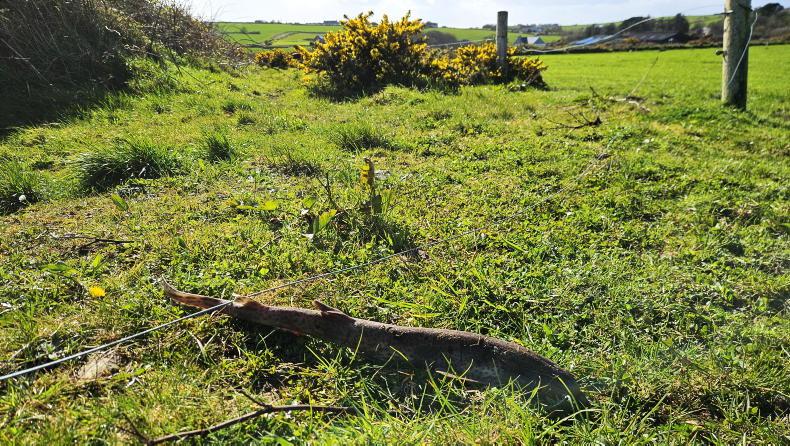
While on the theme of expecting the unexpected, finding a shark in a field with sucklers definitely falls into that category. Yes, you read that correctly.
I stumbled upon a two-foot-long dogfish close to one of the gaps. It was about 300m from the nearest bit of sea and one expert I was onto figured that maybe a Great Black Backed Gull fancied it for a snack but bit off more than it could chew.
Dunnycove Bay on the eastern side of the headland is meant to be known for them but to find one in a field was a surprise to say the least.



SHARING OPTIONS