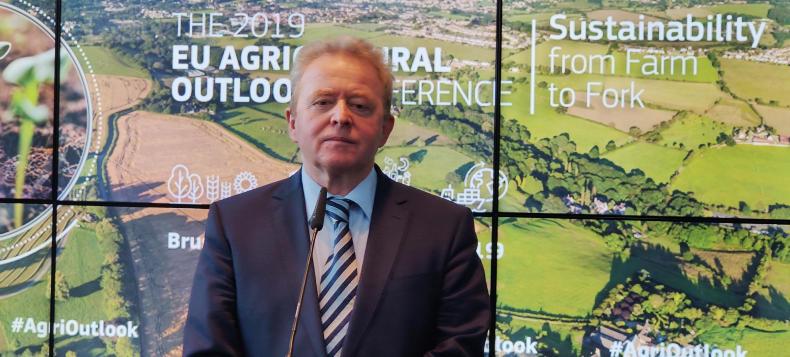
EU agriculture and fisheries ministers meet under the Croatian presidency at the start of the week, with progression on the CAP very much a priority agenda item.
While it or the budget are unlikely to finalise under this presidency, there is now an expectation in Brussels that the negotiations will come to a head in the second half of 2020 under the German presidency.
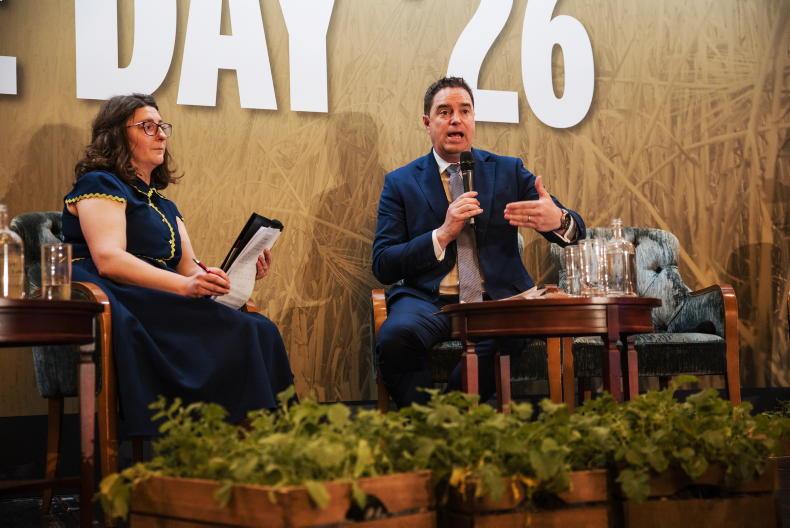
Following the joint appearance of Agriculture Commissioner Janusz Wojciechowski and the Commissioner for Health and Food Safety Stella Kyriakides at the German green week in Berlin, it is increasingly evident that they are a double act as far as managing EU agriculture is concerned.
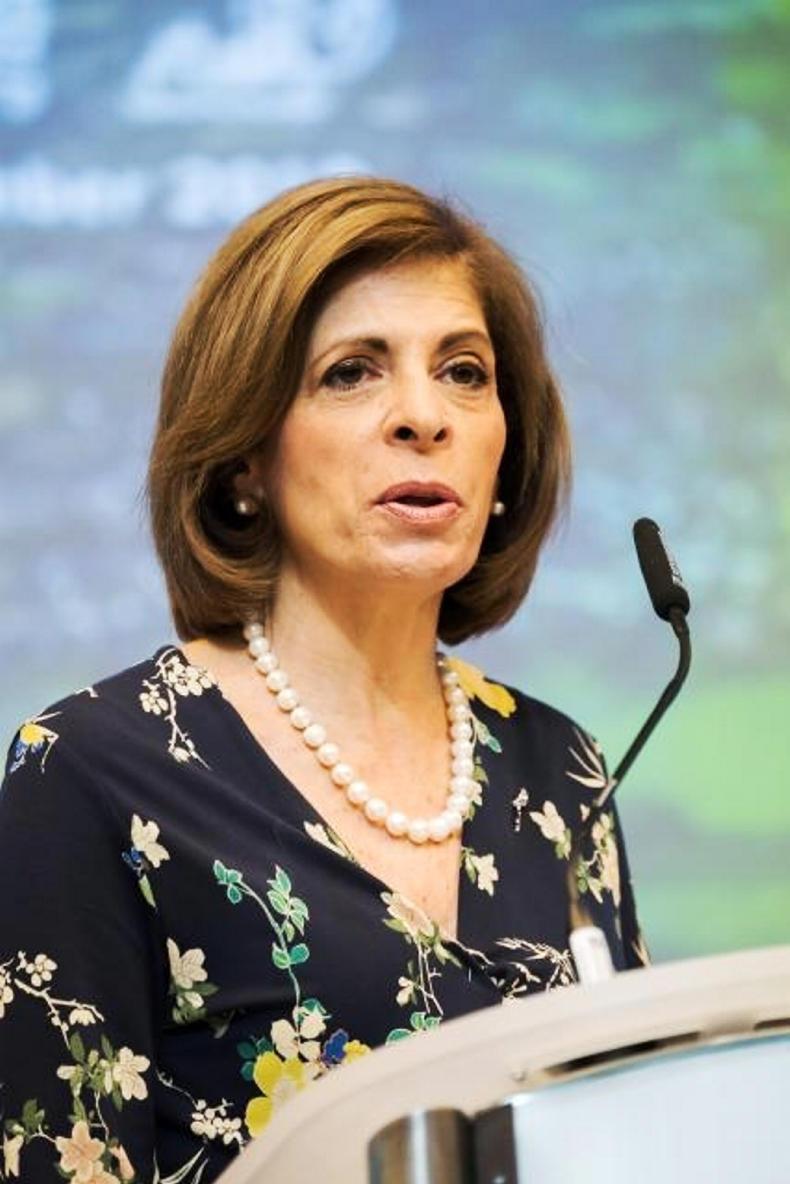
Their remit was to ensure that the CAP remained a common policy across all member states and therefore individual member states' proposals for CAP delivery had to be signed off in Brussels.
Green deal
The next CAP will be a key delivery tool for the green deal in agriculture. To give effect to this, a strategy 'Farm to Fork' is currently being worked on by the Health and Food Safety Commissioner’s team.
It is now expected to be presented in May with a stakeholder and consultation in the coming weeks. Given the focus of the Commissioner in her presentation to the Outlook Conference before Christmas, we can expect a very strong focus on the reduction of fertiliser, pesticides and antibiotic use.
EU versus global farming
It seems inevitable that even more production constraints for Irish and EU farmers will be a feature of the 2021-2027 CAP and little prospect of retaining the current budget never mind securing an increase to offset inflation and loss of production capability.
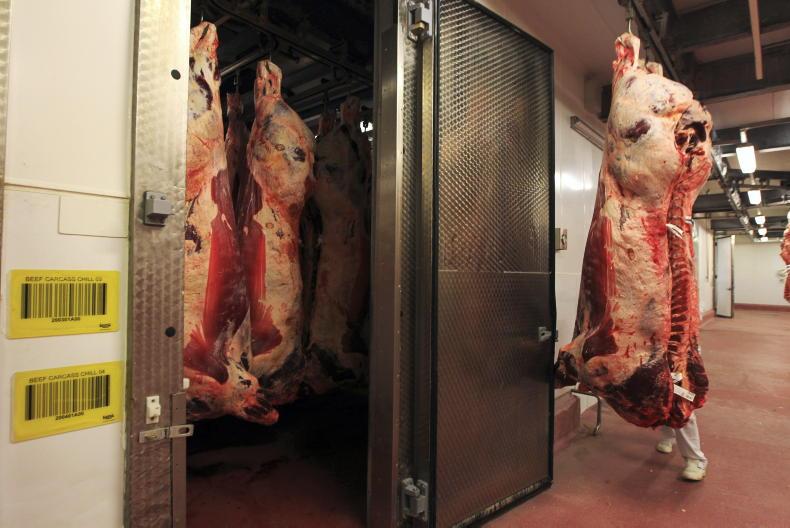
Parallel to this, EU beef farmers have to live with the prospect of the Mercosur trade deal being endorsed during the lifetime of the next CAP. This provides for access of 99,000t of South American beef to the EU.
Negotiations are also progressing with Australia and New Zealand on a free trade agreement which inevitably will increase their access to the EU markets, given that agriculture is the main export of both countries.
Picture will become clearer this year
While nothing will be decided at next week’s council of agriculture ministers meeting, the shape of the next CAP will become clearer over the coming months, with conclusion under the German presidency likely.
We already know that there will be further convergence, with 100% looking the likely bet. There will also be a ceiling of €100,000 and this could be reduced.
The new commissioner will have an ambition to get the latest EU members in eastern Europe on to the same rate as other members.
The bottom line is that it will be less favourable for productive Irish farmers and the ambition is confined to damage limitation rather than real and meaningful support for Irish and EU productive farmers.