



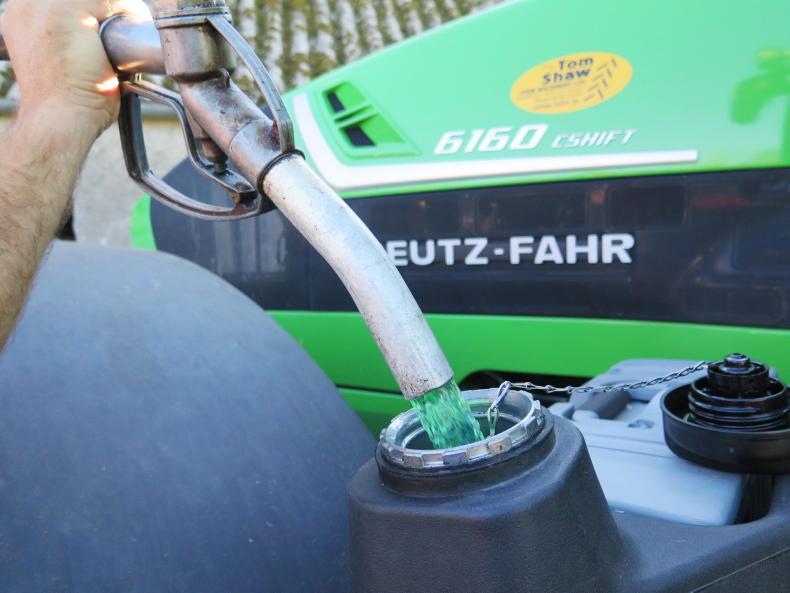
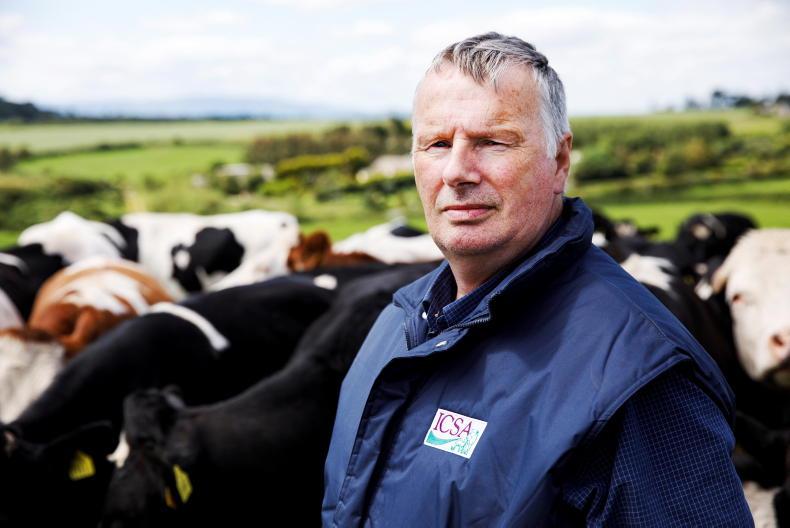
The escalating cost of fuel is pushing farmers to the edge, with the cost of carrying out basic farm operations becoming increasingly unsustainable, Irish Cattle and Sheep Association (ICSA) rural development chair Edmond Phelan has said.
Phelan said that farmers are being “squeezed from every direction”, with fuel “now becoming a crippling cost of producing food”.
He added that “Budget 2027 must deliver real action to bring down the cost of fuel and protect the viability of food production”.
“Farmers cannot simply use less fuel because prices have gone up. The tractor still has to run, livestock still have to be moved, slurry still has to be spread and essential work still has to be done.
“But farmers cannot pass these rising costs on in the marketplace. There is a very real danger that the cost of production is becoming unsustainable for more and more farmers.
“Government has to recognise the seriousness of this situation and act. This is not about giving farmers a little extra help. It is about whether farmers can continue to produce food when the cost of doing the basic work of farming is becoming too high.”
Set of demands
The ICSA submitted a detailed set of fuel and cost-of-production demands to Taoiseach Micheál Martin, Tánaiste Simon Harris, Minister for Agriculture Martin Heydon and Minister for Public Expenditure Jack Chambers last week ahead of Budget 2027.
The ICSA said it is demanding the abolition of the carbon tax on agricultural diesel and, if full abolition is not delivered, the association is demanding an immediate reduction of at least 80%.
It also stated that the agricultural diesel rebate must be reviewed and increased, and the Fuel Income Support Scheme be increased, given that there is approximately €58m unspent.
The ICSA called on the Government to introduce an overall cap on its tax take from fuel, saying that "farmers should not face both rising fuel prices and a rising tax bill, with VAT receipts increasing as the underlying fuel price rises".
It has also requested that the 13.5% VAT rate on agricultural diesel and marked gas oil be reduced and permanent and transparent tax relief for fuel used in food production be introduced.
The ICSA requested that the VAT on kerosene used as heating oil should be reduced from 13.5% to 9%, which would "bring it into line with the VAT rate applying to gas and electricity and... provide relief to rural households reliant on kerosene for home heating".
CBAM
The ICSA is also demanding that Budget 2027 protects farmers from additional fertiliser costs arising from CBAM and, where these costs cannot be avoided, "they must be fully offset for agriculture".
Phelan said ICSA is also concerned about the potential for fuel availability to become an issue.
“If supplies tighten, farmers must be treated as a priority for access to fuel. Food production cannot be allowed to grind to a halt because farmers cannot access or afford the fuel they need to keep their farms operating.”



SHARING OPTIONS