



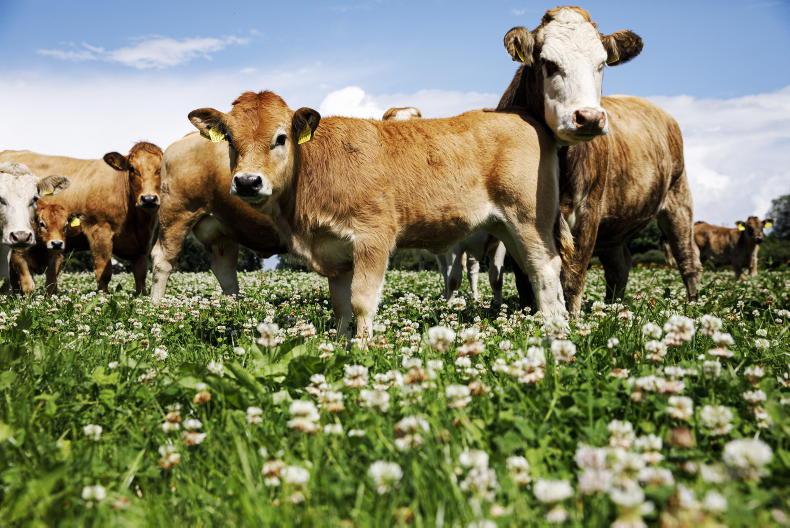
The latest tranche of the Organic Farming Scheme opened for applications on 9 February and will remain open until 8 April.
As there is a relatively tight timeline, producers considering converting need to act fast to weigh up the pros and cons of entering the scheme and get an application completed.
The Department of Agriculture has published a useful guide outlining the questions and areas that farmers need to consider. The main areas are as follows:
Is organic farming the right option for me?
The first step you should take is deciding if organics is an option for you. If you can answer yes to some or all of these questions, then you should consider switching to organic production.
Crop systems
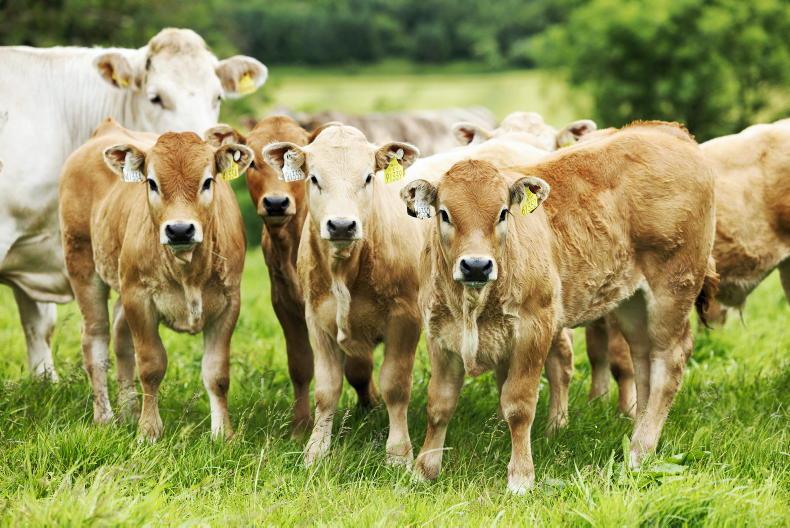
Animal systems
What factors should I consider?
1) Conversion
Prospective organic farmers must undergo a conversion period of two years before their produce is allowed to be sold as organic. Costs associated with conversion to organic production include output reduction due to changes in production practices, investment in machinery, certification and inspection costs, etc.
2) Regulatory requirements
Organic production is governed by EU regulation, which covers all aspects of production, processing, distribution, marketing, etc. When considering conversion to organic production, prospective organic farmers should identify and consider the potential changes required to their holding and farming practices specifically in relation to welfare and housing, production methods, veterinary and purchase of stock outlined hereunder.
3) Animal welfare and housing
Under the scheme, the permanent housing of all stock is not allowed, while the prolonged confining and tethering of animals is also prohibited. Bedding materials that are preferably organic must be provided. Provided that 50% of the floor area is bedded, up to 50% of the floor area may be slatted. Castration and dehorning are permitted where it is judged to be necessary for considerations of safety and welfare.
4) Production methods
Synthetic chemicals, fertilisers, pesticides and herbicides are all prohibited under organic farming. Organic material must be used as manure. Planned rotations are regarded as an essential part of successful organic production, as it helps to maintain soil fertility, reduce weeds, pests and disease, provide sufficient organic feed for stock and reduce risks by maximising the range of cash grown crops.
5) Veterinary and livestock nutrition
Only where a known farm problem exists may specific drugs be administered. However, strict identification procedures and withdrawal periods must be observed. Treatment of healthy animals and the routine use of prophylactic drugs is prohibited. Antibiotics are not generally permitted and fertility drugs are not allowed. Only where a known dietary deficiency exists in home grown feeds is mineral supplementation permitted.
6) Purchase of stock
All purchased livestock should be sourced from organic producers. In practice, due to limited availability, producers are permitted to buy in livestock from conventional sources and these animals must undergo a conversion period. However, the purchase of non-organic stock is controlled by your organic control body and may require a derogation from the Department of Agriculture, Food and the Marine as the competent authority.
How do I start the process?
As a starting point, it is recommended that you discuss the organic option with your agricultural adviser.
They may also advise you on the suitability of organic production to your holding, on the changes required to convert to organic production and assist you in drafting the conversion plan which you require. Alternatively, you may draw up this plan yourself.
All organic operators must be certified by an organic control body. There are two bodies which certify land-based organic operators: Irish Organic Association (info@irishoa.ie – 090-643 3680); and Organic Trust CLG (info@organictrust.ie – 045-882 377).


SHARING OPTIONS