


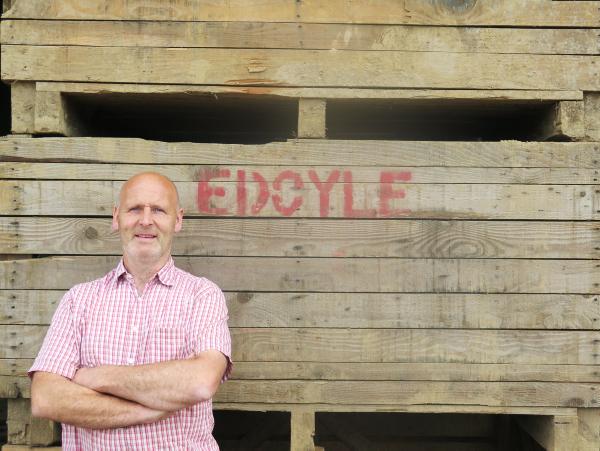

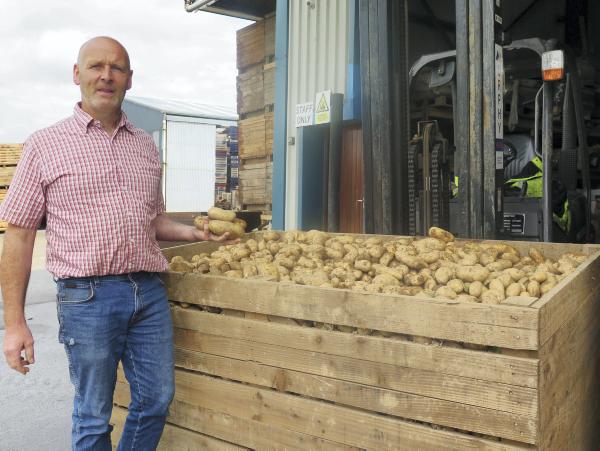

Eddie Doyle is a second generation potato grower from Mooncoin on the Kilkenny-Waterford border. He took over the dairy and horticulture farm from his father in 1994 and has grown it ever since. However, he notes that the potato market has changed “beyond any logic” in those 20 years.
“It has always been tough,” Doyle explains. “But, particularly in the last 10 years, the entire landscape has changed. Growers are at the mercy of the retailers more than ever,” he adds.
The move from local corner shop to the rapid growth of discounter retailers has weakened the bargaining power of growers and has led to lower margins.
Retailers and merchants claim approximately 76% of the price of potatoes and vegetables.
“We have just five carrot growers, three or four parsnip growers and just four swede farmers at a commercial level left in the country. We have been decimated. The time of the smaller grower is gone by the wayside because their route to market is gone. Back in the day, the smaller growers grew for the local shop and they got a good price but, since the discounters came in, the whole thing has changed,” Doyle says.
With the growth of discounters has come the reliance on merchants. There are a handful of potato suppliers, such as Iverk, Meades and Donnellys. Each has a network of growers to fulfil the contracts with retailers. However, the squeeze by retailers on to merchants invariably leads to an extra price squeeze on growers.
The cost of growing potatoes versus the money received from retailers makes potato and vegetable-growing almost unviable.
“For me, it’s €3,000 to produce one acre of potatoes,” he explains. A potato grower produces approximately 12t of Queens to the acre.
For Doyle, fertilizer works out at €300/acre; seed €600/acre; ploughing, tilling and planting €300/acre; the cost of land €300/acre; while spraying for blight and weeds costs €500/acre, including tractor and diesel use. Harvesting and haulage equates to €400/acre, cold storage is €80/t and the cost of buying and repairing boxes to hold potatoes works out at €10/acre. There are also other miscellaneous costs.
With growers receiving €220/t, they are generating just €2,640/acre and with a cost of €3,000/acre, Doyle says the future is bleak for many growers if things don’t change.
“Things have to change if there’s to be a future for us. We’re consistently producing at a loss, so we have to look again at what we are doing. It’s not just about the retailers, it’s about having growers producing good-quality products and growing for their market.
“Salad potatoes make up about 16% of the consumer market in Ireland, yet we only grow about 200 acres of salads in the entire country. The main potatoes in the market are Roosters [nearly 70%]; Queens and Kerr’s Pinks [7% and 6%, respectively] aren’t looking great these days,” he explains.
The volume of potatoes grown in any given year differs to the previous year, depending on the trade. Last year was tough for growers and this has been reflected in the hectarage this year. In 2013, 10,260ha of potatoes were grown but this has been scaled back significantly to just over 8,500ha this year.
Doyle maintains that growers should not react to the market so rapidly.
“When there’s a bad year, people fall out of the sector. When there’s a good one, they jump back in the following year, only to create and oversubscribe, thus dragging down the price. They need to take a more strategic and long-term look at the market,” he argues.
Vegetable grower
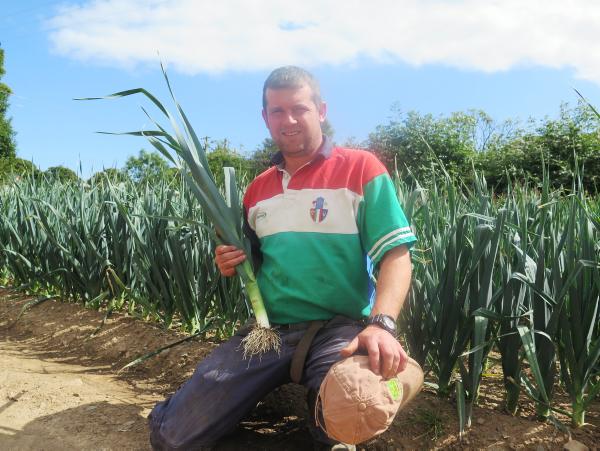
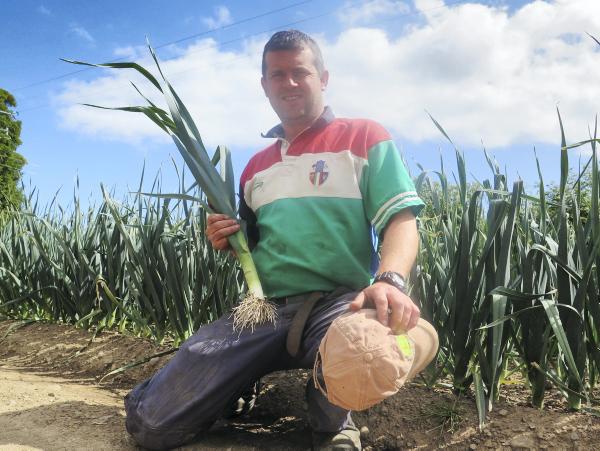
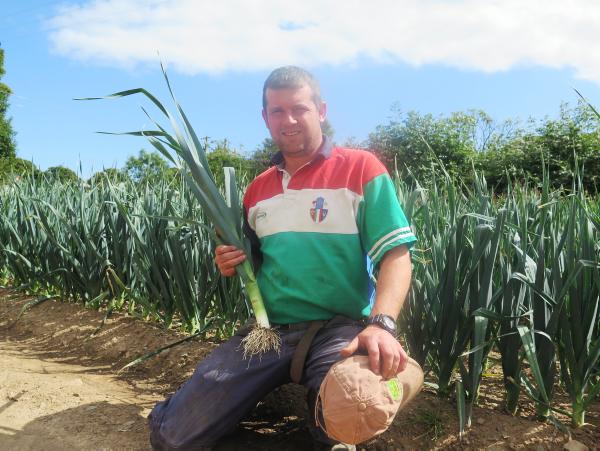
Colm Grimes is a vegetable grower from Baldongan, near Skerries, in north Dublin. He grows leeks, cauliflower, broccoli, rhubarb and scallions on several hundred acres.
Leeks are his main crop and he grows approximately three million leeks, all of which have to be planted by hand.
“Some retailers are good, they’ll use Irish when they can, but there are others that’ll fly stuff in from Mexico when they could get it from Ireland. This is hitting us all. I’m one of only five cauliflower growers left here in the area. There were 30 about 15 years ago. We have been decimated,” Grimes explains.
In relation to vegetables being sold at discounted prices by retailers, Grimes is adamant that it is “doing no good” for the sector.
“It’s good value for the consumer but not so much for the grower. We have to produce more for those two weeks to get them into a shop and, after the offer is over, sales drop off completely because nobody needs to buy vegetables for the next few weeks.
‘‘It delivers a spike for the retailer but for me, extra staff have to be hired, we have to work long and harder just to meet the order. We can’t just be left to live like that,” he concludes.


SHARING OPTIONS