



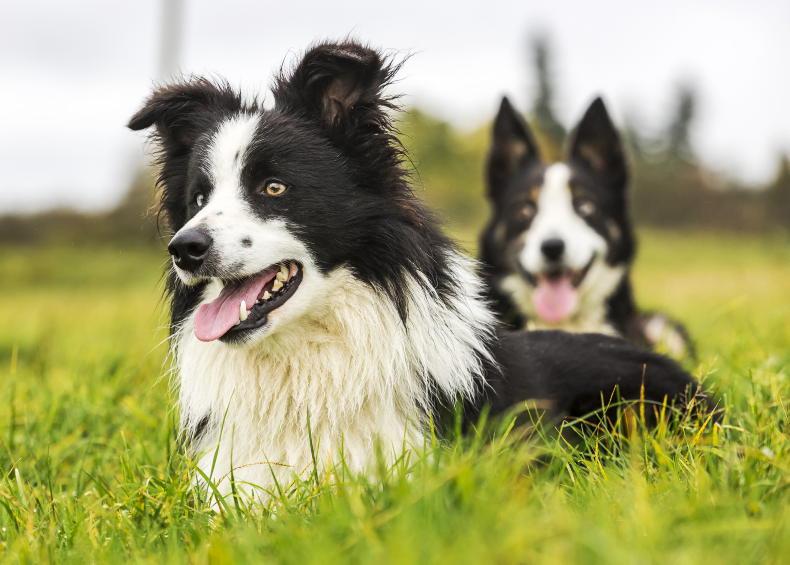
This week’s forecast increase in temperature is particularly welcome for farmers hoping to save hay and for those contending with tricky ground conditions in recent weeks.
The yellow weather warning signalling temperatures of upwards of 30C requires some careful management to prevent health issues in livestock and working dogs.
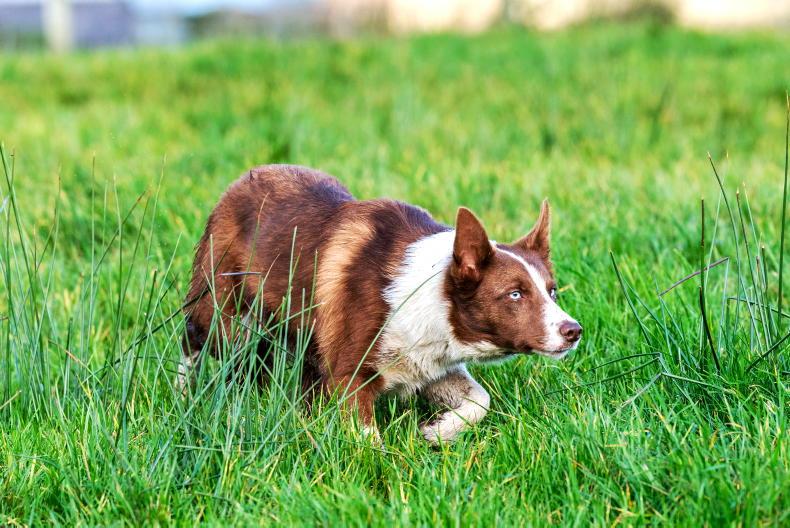
It is critical to highlight that working dogs can quickly suffer from heat-related health issues. Dogs do not sweat through their skin like other mammals and regulate heat in their body via panting and sweat loss through their nose and foot pads.
They need access to regular opportunities to drink water to prevent dehydration and aid their ability to keep cool.
Australia’s Animal Emergency Service has extensive experience with heat-related issues and explains that hyperthermia is the term used to describe elevated body temperature in dogs.
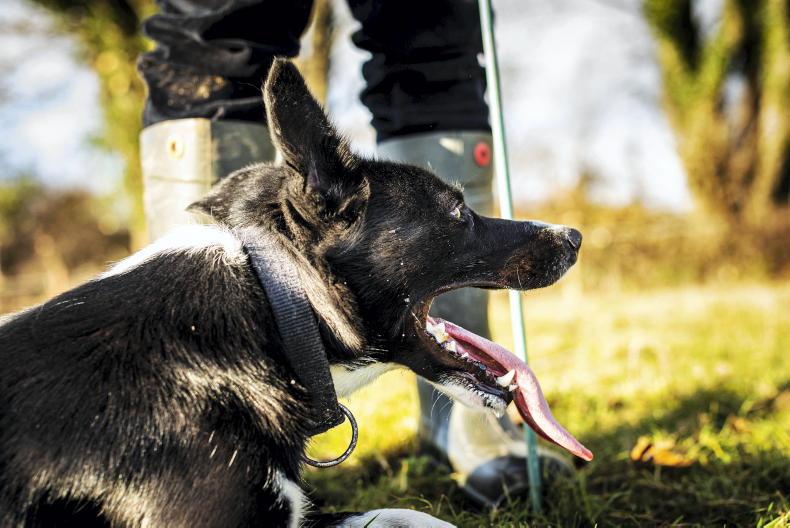
There are three types of hyperthermia – heat stress, heat exhaustion and heat stroke.
All three issues are serious and vets warn that they can cause severe damage to a dog’s health and, unfortunately, often lead to dogs dying.
Quick action
The Animal Emergency Service explains that heat stress is the less severe heat-related illness. It says that at this stage, dogs will show an increase in thirst and panting. As this condition worsens, it will progress to heat exhaustion and finally heat stroke.
Each of the conditions require quick action and immediate attention. As heat stroke can lead to death even with intensive care, it highlights the severity of the condition.
Heat stress
The two commonly associated signs and symptoms of heat stress include an increased thirst and increased panting.
Ceasing all physical activities immediately, offering fresh cool water and moving your dog to a shaded or cooler area will generally address heat stress and get your dog back on track.
Heat exhaustion
Signs of heat exhaustion are similar, but panting will be heavier in nature and dogs can experience weakness and episodes of collapsing.
This is a critical period in timing, as if treatment is not given during heat exhaustion, it is likely to quickly progress to heat stroke.
Heat stroke
This is the most critical condition and rapid attention is needed. Signs and symptoms of heat stroke as listed by the Animal Emergency Services include:
The aim is to reduce the body heat of your dog. Veterinary assistance is important and, in the meantime, the Animal Emergency Service advises to begin cooling your dog by wetting their body with a hose or bucket, taking care to avoid their face.
A fan blowing cool air will also help. It is not advised to place wet towels over the dog's body, as this will trap heat that is trying to escape.
Work when cooler
It is important to ensure that dogs are not worked during peak daytime temperatures. Where sheep have to be flocked, then, if at all possible, focus on working early in the morning or late in the evening and avoid tasks which can be easily delayed to another day.
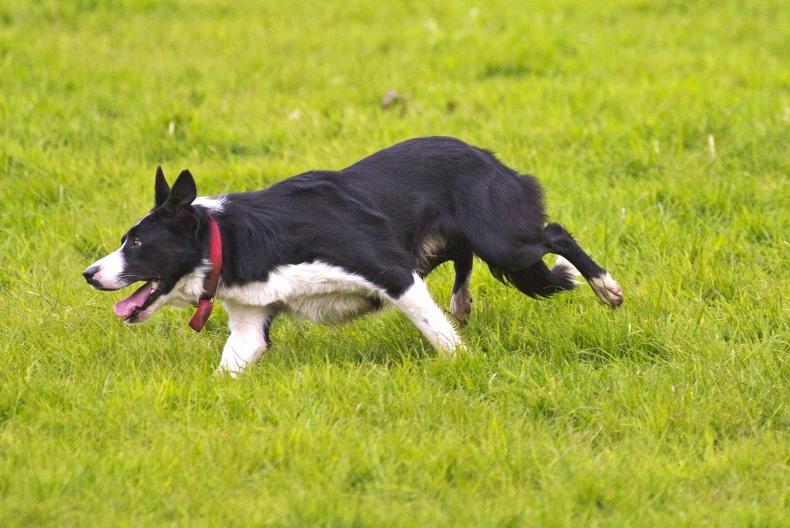
Where working away from the yard or in areas with no free access to water, then it is recommended to bring a supply of water that can be offered frequently. Regular rest is important and this is especially relevant to older dogs or any dogs suffering with any underlying injuries.
Hot surfaces
Another important aspect to take into account is the terrain on which dogs are working.
Surfaces can become very hot and pose a risk of a dog’s foot pads burning while moving animals. This will be a greater problem on some public roads as the week progresses, with tar becoming hot, melting and posing a risk of sticking to foot pads.
The final aspect to be mindful of is not leaving animals inside vehicles unattended. Vehicles will become very hot quickly and pose a major risk to the health of dogs.




SHARING OPTIONS