


External parasites
Characteristic signs of external parasite issues, namely sheep scab and lice, start to emerge at this time of year. The recent sheep update on Tullamore Farm where plunge dipping was being carried out also opened the door to questions about alternative treatment options.
It is important to note that there is no other treatment route that will match plunge dipping in terms of providing control for all external parasites including sheep scab, lice, ticks, keds etc. There are no veterinary products licensed for use in sheep showers or other spray units in Ireland. It is difficult to carry out and may require veterinary assistance but the first port of call should be to identify the parasite causing the problem.
Sheep scab mites are brown in colour, round and are tiny – barely visible to the naked eye. They feed on flesh and are generally found on the skin where scabby lesions and wool loss are characteristic of scab. In contrast, lice are easier seen by the naked eye and move through the wool. Lice are long, shaped similar to a wasp with a yellow or pale brown colour. Your vet will be able to diagnose by examining using magnification or taking a sample for examination under a microscope.
Sheep scab can generally be controlled by the active ingredient in select injectables. It is important to read manufacturers recommendations as where the product does not possess residual properties repeat treatment may be required seven to 14 days later to target parasites that have hatched from eggs. Products suitable for treating lice on the other hand are generally pour-on products and again it is important to ensure if sucking and biting lice are covered.
Hill breeding
Hill flocks should be putting final preparations in place for breeding. There will be additional pressure on rams where breeding is taking place on hills and not on enclosed or improved pasture. It is therefore important that rams are in good shape. Where there is any doubt on condition introducing concentrate supplementation, even for a short period, will help to boost ram condition. A daily allocation of 0.5kg will generally suffice along with good-quality pasture.
Temporary grazing tips
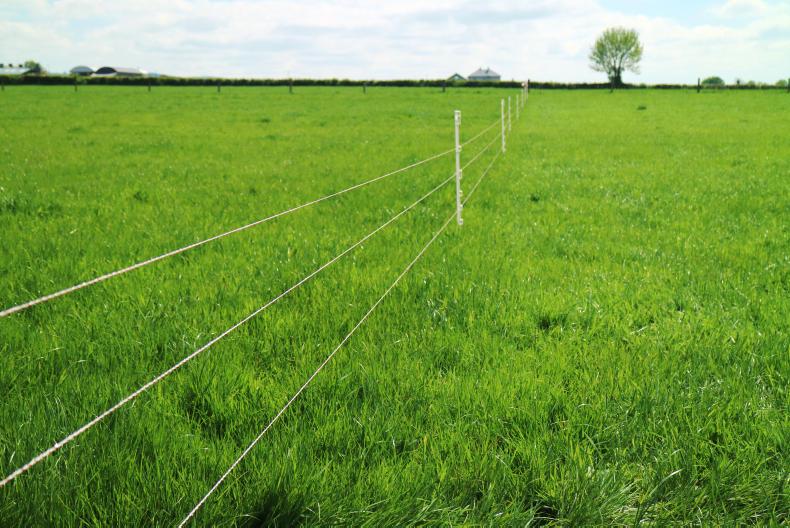
Recent articles on temporary grazing of sheep on surplus grass or forage crops pointed to temporary fencing as a good low-cost option. This week’s sheep feature on page 39 also touches on Peadar Kearney making optimum use of PVC posts and polywire to split paddocks. Anyone fencing in such a manner highlights one major factor as contributing to its success – getting sheep accustomed to electric wire from the outset. This can be achieved by confining sheep to a small area which allows optimum current to be concentrated on the wire.
SWS ewe number notification
Farmers wishing to notify the Department of ewe numbers falling below their reference number can do so by sending a note outlining the change in numbers to the Sheep Welfare Scheme Section, DAFM, Government Offices, Old Abbeyleix Road, Portlaoise, Co Laois, or by emailing sheepscheme@agriculture.gov.ie. Payment will then be made on the lesser number recorded. The reduction in numbers for this year will not affect subsequent years with the facility to increase ewe numbers and raise payment rates to the farm’s reference number.



SHARING OPTIONS