



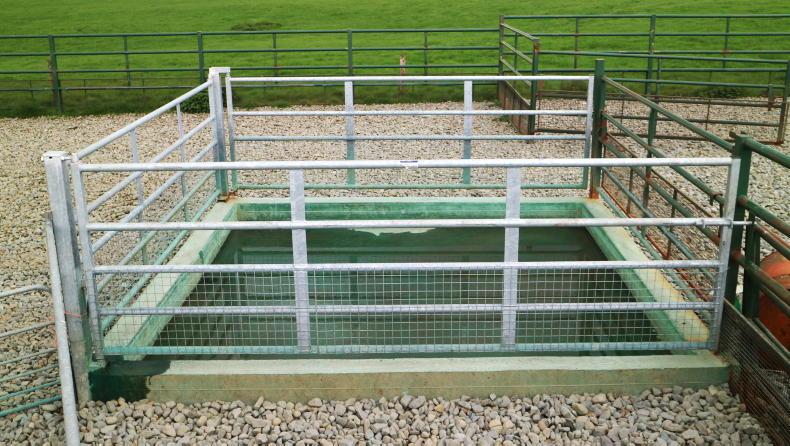
Controlling scald: A combination of wet underfoot conditions and swards with a high percentage of stem appears to be contributing to a higher incidence of scald on some farms.
The manner in which sheep are footbathed will have a big effect on the success of control measures.
While running sheep through a footbath as they exit a pen after handling may have some merit in preventing issues with scald establishing it has no benefit where scald has established.
Teagasc’s Jake Delaney has told farmers at numerous events over the last year that where foot baths are being used to control scald there must be sufficient contact time in a suitable solution.
Teagasc advise that for effective footbathing sheep must spend at least 15 to 20 minutes in the footbath where using a 10% copper or zinc sulphate solution followed by standing sheep for 30 to 60 minutes on a dry hard surface.
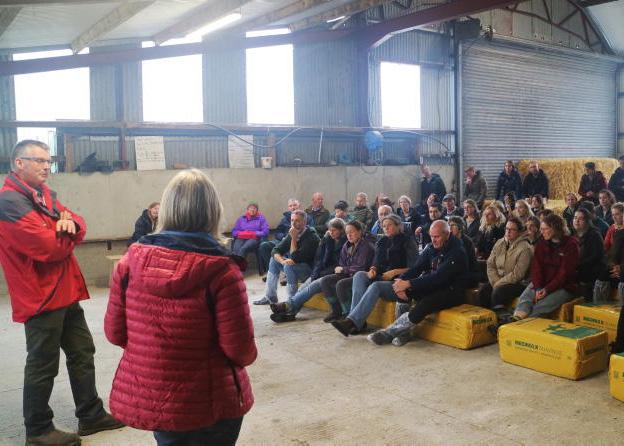
To achieve such objectives with significant numbers ideally requires the use of a batch footbath. These are covered in the Targeted Agricultural Modernisation Scheme with the current trance closing on 19 June. Lameness control will be a major point of focus at next week’s Teagasc National Sheep Conference taking place in the Shearwater Hotel from 3pm to 5pm and afterwards on the farm of John Galvin in Taughmaconnell, Co Roscommon.
Weaning preparations: The closing date of silage swards on many farms was delayed due to tighter grass supplies in spring while for others who managed to close swards earlier cutting has been delayed by recent inclement weather. This is leading to a situation of silage aftergrass coming available for grazing later than desired.
If this is the case then it is worth identifying swards that can be afforded a rest period to have a supply of good-quality grass available. Grass quality does not have to be top-class right down to the base of the sward as long as there is fresh regrowth for lambs to graze to reduce any check in performance from weaning. Lambs can be moved on to after grass at a later than planned stage with ewes used to graze out lower-quality swards and address quality.
For farms with crops ready to cut it is wise to line up your contractor where ground conditions allow with a relatively short window of improved weather in the forecast.
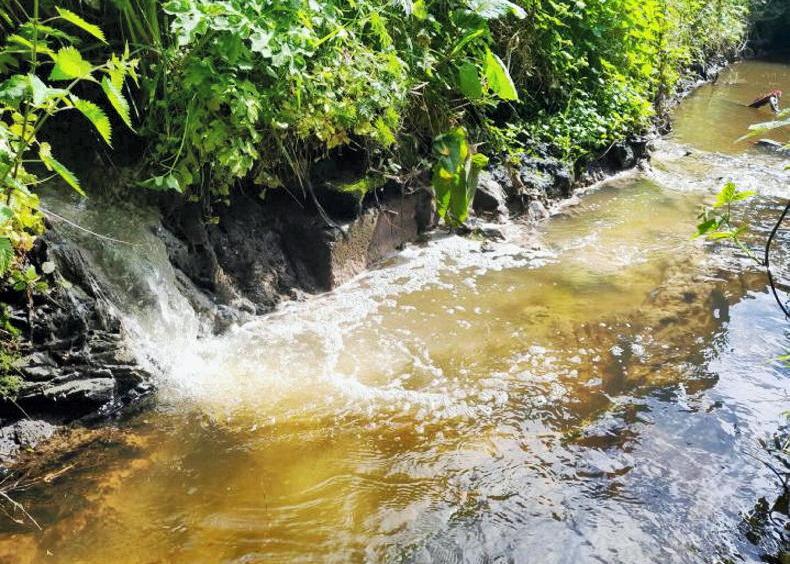
Farmyard repairs: The top non-compliances in farm inspections included worrying figures of 43% of all farms inspected failing water quality inspections with issues concerning soiled water management almost doubling. While many sheep farms have animals housed for a shorter period of time or possibly not at all it is worth reviewing facilities during the summer months in light of these statistics.
The storage of silage bales was a common issue identified. Silage bales cannot be stacked more than two bales high or stored within 20m of a surface water or water abstraction point unless there are storage facilities in place to collect any potential effluent. Inadequate gutters and downpipes were also a regular non-compliance as was uncontrolled run-off from farmyard manure. There may be simple steps that can be taken in the coming months to ensure that any potential issues are addressed before an inspection occurs. Remember to keep safety to the fore if working at heights.




SHARING OPTIONS