Weather management: It is hard to believe how different conditions are on the island of Ireland. This week’s upturn in weather and forecast for no rain over the coming week has been welcomed by farmers in the west and northern half of the country. There is still ample moisture in soil and farmers are taking the opportunity to save hay from grassland which couldn’t be cut before 1 July in the Agri-Climate Rural Environment Scheme (ACRES).
It is a very different position in parts of the east and south east with grass growth rates slowing rapidly. The aim on such farms should be to try and take steps now that will conserve grass supplies should current weather conditions continue beyond this window. The most obvious practice that will greatly reduce demand in mid-season lambing flocks, if not already complete, is weaning of lambs.
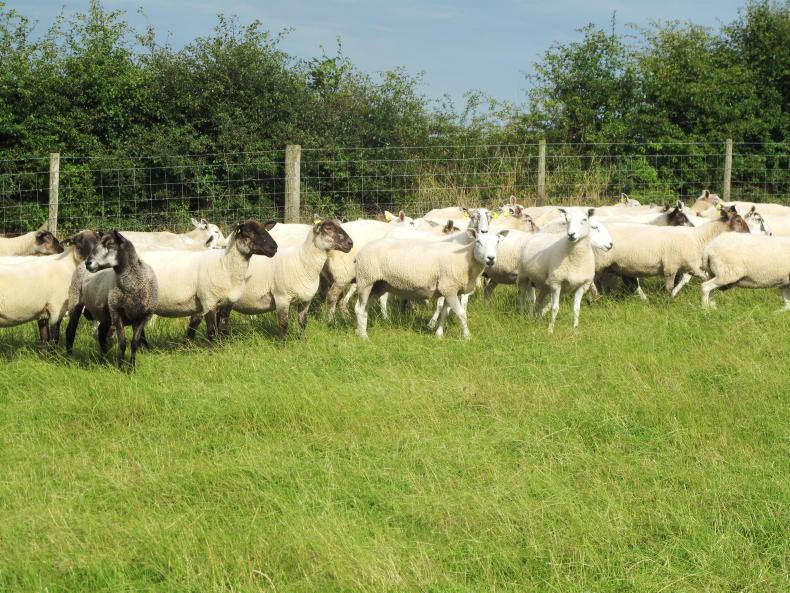
Where there is a good portion of forward-type lambs on-farm, then establishing a finishing group, whereby lambs weighing 38kg to 40kg can be targeted with concentrate supplementation, will boost performance and help get these lambs off the farm faster.
The store lamb trade remains positive and could be an option to reduce demand, while marketing suitable cull ewes is another straightforward way to reduce grass demand. Any planned topping to address sward quality should be delayed, as this will hit sward recovery and grass regrowth. Such swards may be needed to help sustain cull ewes.
Worm counts: Reports from vets, advisors and farmers continue to point to worm counts being relatively low in the east and south of the country. Reports in the west and northern half of the country are more variable. There is a valuable message that in many cases farmers are finding that there is no need to dose lambs for worms. Continue to monitor faecal egg counts and performance.
Straw orders: The higher temperatures will see a lot of harvesting activity in winter tillage crops. A higher area of land has been entered for straw chopping in the Straw Incorporation Measure. It is, therefore, no harm to make contact with your straw supplier early, as decisions on whether to bale or chop will be made imminently.
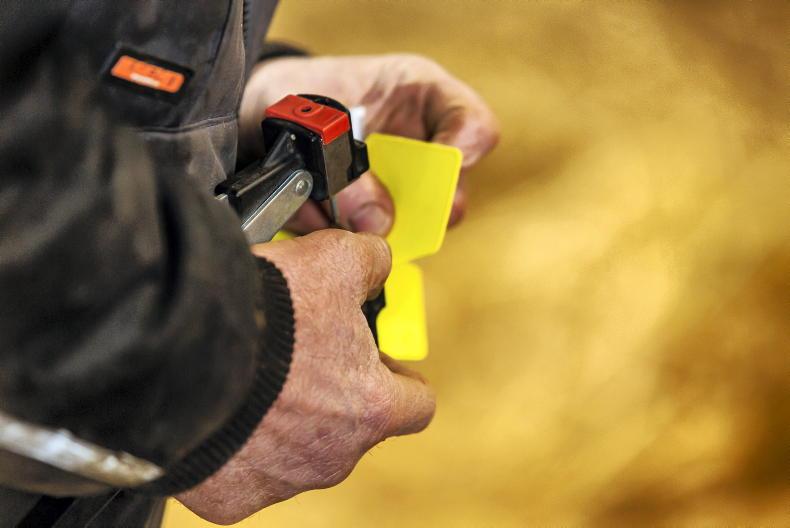
Tagging sheep: The manner in which tags are applied to sheep destined for breeding will influence their retention. The advice is to apply button tags midway in the height of the ear, taking care to avoid cartilage which can be seen on the underside of the ear. In terms of distance from the ear it should be about one-third of the way along the animal’s ear, measuring from the head out. This may need to be altered for breeds with thicker ears to allow space for the tag to rotate and air to circulate.
For wrap around tags, manufacturers advise to leave about 4mm to 5mm room between the edge of the ear and the tag when applying to take account of future ear growth. They advise to apply wraparound tags at the top of the ear and, similar to a button tag, about a third of the distance out from the head, taking care again not to pierce cartilage.
The male part which pierces the skin for all tag types should be applied on the outer part of the ear as this leaves less risk for tags to get caught. Hygiene is paramount in preventing infections from becoming established.