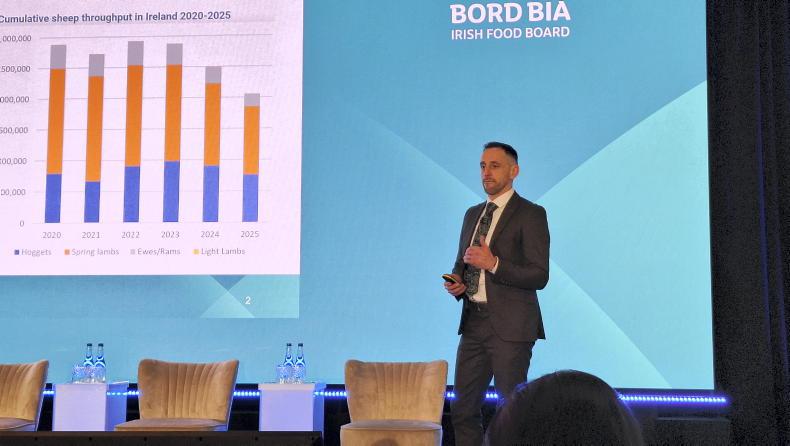
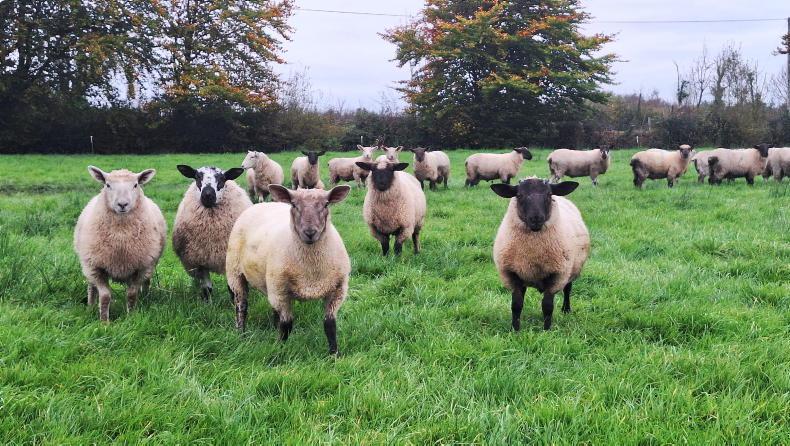
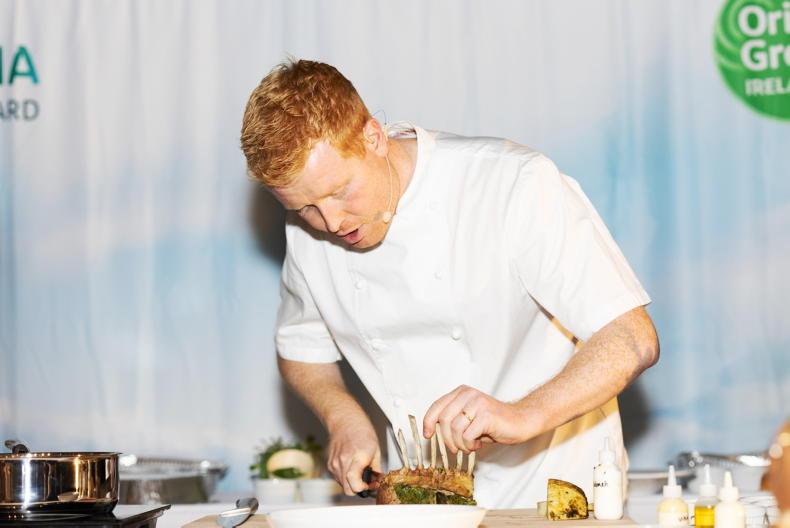
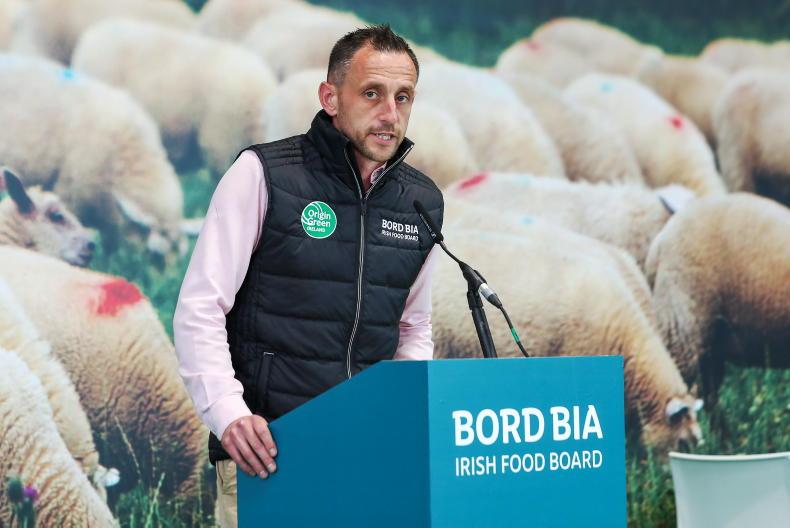
The availability of Irish lamb in the US market was launched last week with Bord Bia hosting a launch event in New York. US wholesaler Marx Foods received the first shipment of lamb from Irish Country Meats (ICM) with the company already importing Irish beef from the ABP Food Group.
ICM and Bord Bia worked hard in conjunction with the Department of Agriculture, to get volumes moving with market access granted as far back as 2022.
The launch has generated lots of follow-on questions from sheep farmers keen to learn what opportunities the market may offer for Irish sheepmeat.
Seamus McMenamin, Bord Bia sector manager for sheepmeat and livestock, was present at the launch.
Premium markets
He says that there is a lot of interest in Irish sheepmeat as an alternative offering in high-value or premium markets. The fact that the US is Ireland’s second-largest food and drink market after the UK is viewed as offering marketing synergies to include lamb in a wider portfolio of products to consumers.
“Irish lamb is viewed as having significant marketing opportunities on the eastern coast where there is a large Irish diaspora population,” McMenamin said.
“Irish lamb is renowned for its quality and taste and its grass-fed production credentials and strong environmental and health benefits is a positive point of difference.
“The main market initially is likely to be high-end establishments, but there is also opportunities for the likes of pop-up restaurants or high-end street vendors which are popular in cities on the east coast and among younger consumers,” he said.
This means that sale volumes initially are likely to be low with cuts such as lamb shanks, chumps or cap on lamb rumps likely to be the main sales at the outset. These cuts are likely to be at a similar price point to US lamb which is currently trending at a similar level to Ireland.
Growing demand
There has been a sharp jump in sheepmeat imports over the last decade, as reflected in Table 1, with total import volumes growing by almost 60,000t from 2015 to 2024 and reaching some 140,313t.
To put the scale of this growth in context this is likely to be significantly higher than the total volume of sheepmeat exported from Ireland in 2025.
Growth in consumption is expected to continue to grow while further declines in US sheepmeat production is forecast to also boost import demand. The Bord Bia Lamb Usage Report 2025 predicts that the US lamb import demand will grow to 174,000t by 2029.
As detailed in Table 2 US sheepmeat production has declined gradually over the last decade with import volumes overtaking production volumes.
Some farmers have queried if this level of imports provides opportunities for Ireland to compete for sizeable quantities of the market share held by Australia and New Zealand.
Others, meanwhile, have questioned whether the US market will provide scope to increase paid carcase weight limits similar to what is happening in the Australian sheep industry at present.
Reduced competitiveness
The reality is that Irish sheepmeat will not be in a position to compete head on with Australian and New Zealand exports in the commodity or carcase market due to their lower price point. The latest farmgate price of lamb in Australia is reported by Bord Bia at the equivalent of €6.26/kg while New Zealand lamb is trending €1/kg lower at €5.30/kg. This compares to €7.36/kg excluding VAT for Irish lamb.
There has been growing tension in recent years regarding imports of lower-priced sheepmeat from Australia and New Zealand. The American Sheep Industry Association released a report in March 2025 highlighting the industry figures detailed in Table 1 and Table 2.
It said: “The level of imported lamb and mutton in the US market has now reached a critical point that it threatens the livelihood and sustainability of the US sheep and lamb industry. Australia and New Zealand, representing 99% of imported lamb in the US, have captured significant market share away from US lamb which it is not only having a dire impact on US lamb producers but is depriving US consumers of fresh, local American lamb.
“The US sheep and lamb industry is at a competitive disadvantage to imported lamb in the marketplace. Australian and New Zealand lamb is marketed at lower prices due to a currency exchange rate that favors imported lamb.”
Next steps
Bord Bia’s New York office is planning to invite lamb buyers from the US to Ireland to show them Irish sheep farming in practice. While chefs aligned with Bord Bia will add lamb to the range of products promoted in the US market.