



If you look up on a bright summer’s day, you might see a variety of birds darting through the skies over your head.
Swallows, house martins and swifts all choose to visit our island to breed, before returning to Africa to spend their winter catching insects over the backs of elephants in rolling grasslands or the humming tree canopies of the Congo Basin.
If you take a moment to look up, to really look, you’ll notice that the different species organise themselves at different levels throughout the sky: swifts hunt high, swallows low, and martins fill the space in between.
The result is a stacking system not unlike that at Heathrow airport, although markedly more acrobatic.
Learning about nature
These days, it’s difficult to learn about the exquisite creatures we share life on the farm with without also learning about the challenges that they are facing.
As the renowned conservationist Aldo Leopold once wrote, “one of the penalties of an ecological education is one lives alone in a world of wounds”.
Learning about our swifts, swallows and house martins provides no exception – all are now threatened species and farmers are remarking that the skies are not as busy as they once were, or that there are fewer swallows returning to fill farmyards with cheery song each spring.
In fact, research shows that we have lost 40% of our swift population in Ireland in just the last 10 years, largely due to a loss of nesting sites in old buildings.
Farmers ‘stepping up’
However, while embracing an ecological education may bring awareness to the painful realities of today’s biodiversity crisis, it also arms us with the best tools to tackle these challenges head-on.
Across the country, farmers are stepping up to learn about nature and the intricate ecological systems we all depend on; they are adapting and taking action to safeguard our environment and its precious biodiversity for future generations.
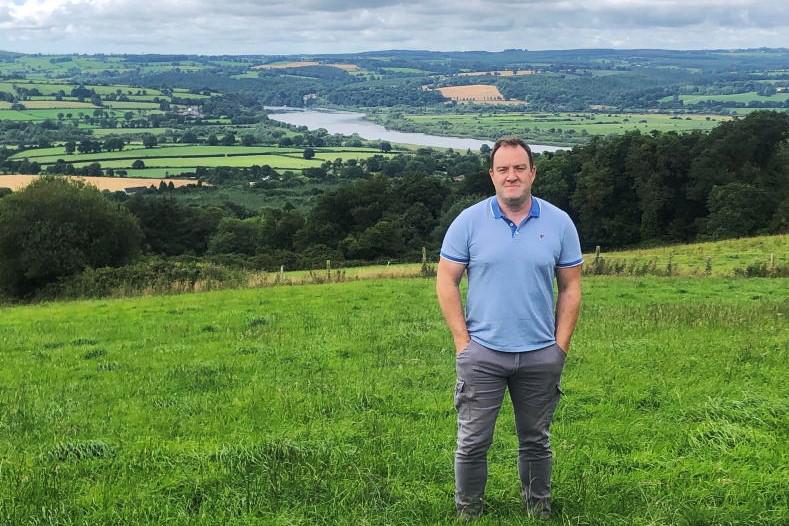
One such figure is Pádraig Connery, a participant on the Footprint Farmers Programme who, since 2021, has been kindly sharing his journey in these pages.
Pádraig has an impressive thirst for knowledge and farms his tillage and beef enterprise with both a meticulous understanding of inputs and yields, and a flair for the avant-garde.
Embracing change can be challenging, especially at a time when our vision of the right thing to do can be clouded by a storm of misinformation and competing agendas.
Pádraig’s open-mindedness and dedication, however, set him apart. Rather than shying away, he’s diving deep into understanding the challenges we face and the role his farm can play in addressing them.
Wildlife habitats
As with grassland systems, intensification of arable systems, including the removal of hedgerows and field margins, the use of pesticides, and changes in sowing times, amongst other factors, can contribute to a rapid decline in wildlife.
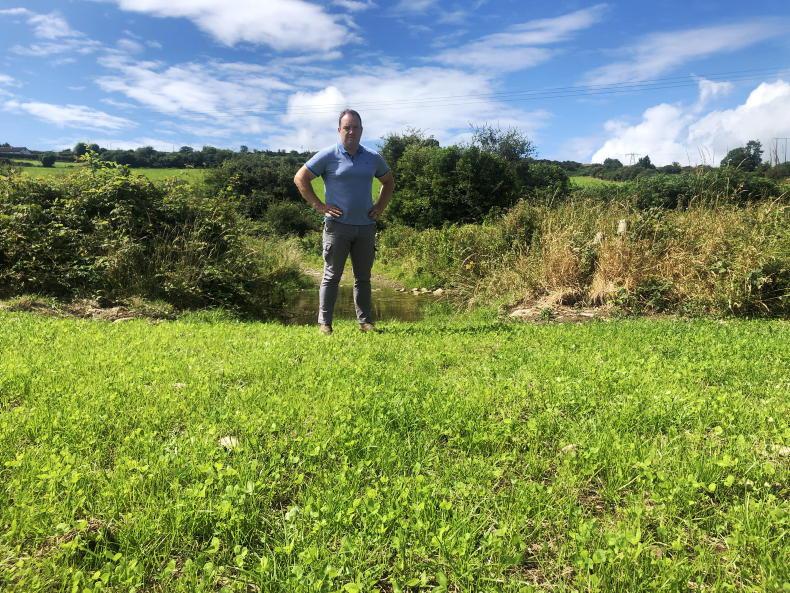
Aware of these challenges, Pádraig is taking proactive steps to protect his existing wildlife habitats, which include mature native woodlands and free-growing hedgerows.
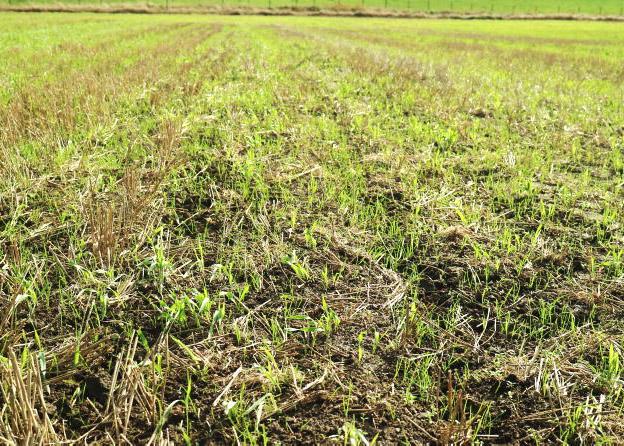
Moreover, he’s re-evaluating his farming practices, adopting cover crops and red clover swards to enhance yields while reducing his use of chemical N.
Nature on-farm
On a recent visit to his farm, Pádraig remarked to me that “there is a huge opportunity to do something significant for nature on the farm”.
He went on to suggest that “one block of tillage land, in particular, could essentially be a nature reserve in the middle of a predominantly dairy heartland, while also functioning as a commercial tillage farm”.
In line with this vision, when the busy harvest and subsequent autumn planting seasons are over, Pádraig plans on exploring the potential benefits of establishing arable margins; constructing wildlife ponds; transitioning his beef enterprise to an organic system; establishing native tree corridors to connect wildlife-rich habitats; and installing swift nesting boxes.
Reward
Such efforts do not go unrewarded.
Pádraig says that he loves “sharing a field with just the buzzards or foxes of an evening at sunset”, and considers himself “lucky to have had the sole company of a barn owl a few years ago when harvesting wheat through the night”.
He reflects that, “it is moments such as these, along with the connections made and knowledge learned as part of the Footprint Farmers Programme, that have generated my increased interest in conservation and the biodiversity of the habitats around me”.
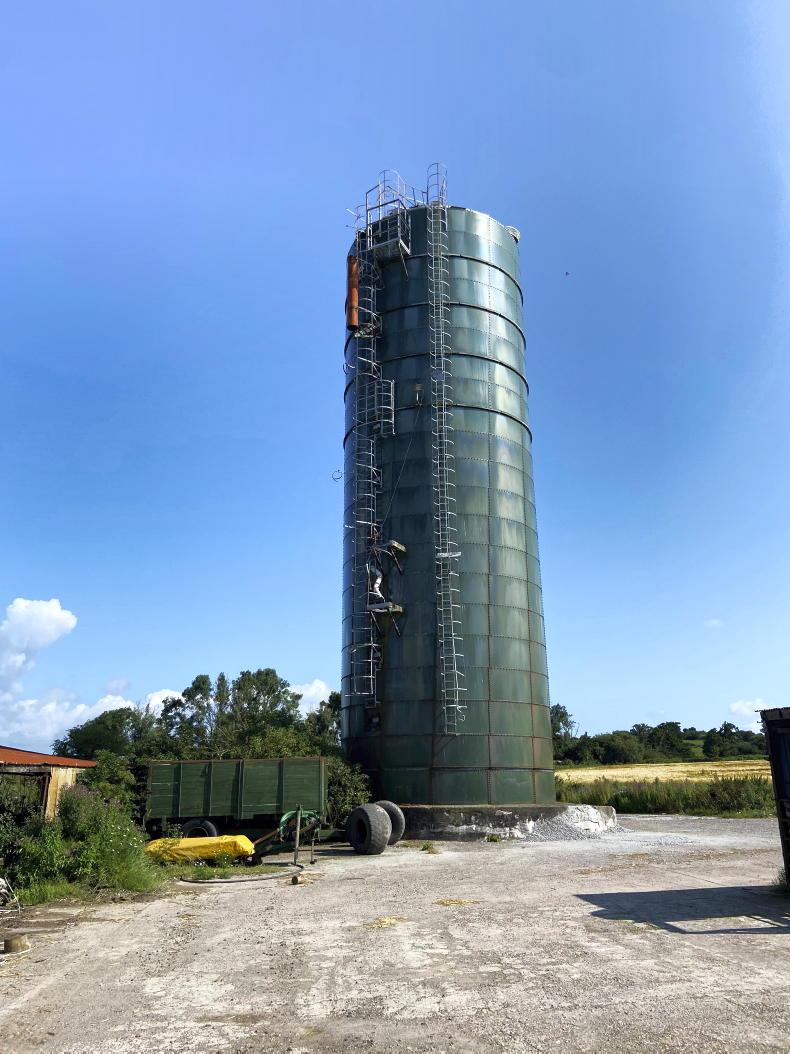
Retaining holes in old buildings can be a good way to provide swift nesting options, but there is also an increasing number of specialised swift boxes and swift ‘bricks’ on the market, which can be neatly incorporated into new or old builds.
If you’d like to erect swift boxes, it’s important to get the design and installation right – for more tips, check out the resources in the Learn more section below.
Learn more



SHARING OPTIONS