It has always been a particularly sore point with regard to TAMS in that many of the reference costs fell well below that of the actual costings; something which we have highlighted in several case studies in these pages as well as anecdotally from farmers and builders.
The net result was many farmers were still opting to go it alone and forget the grant.
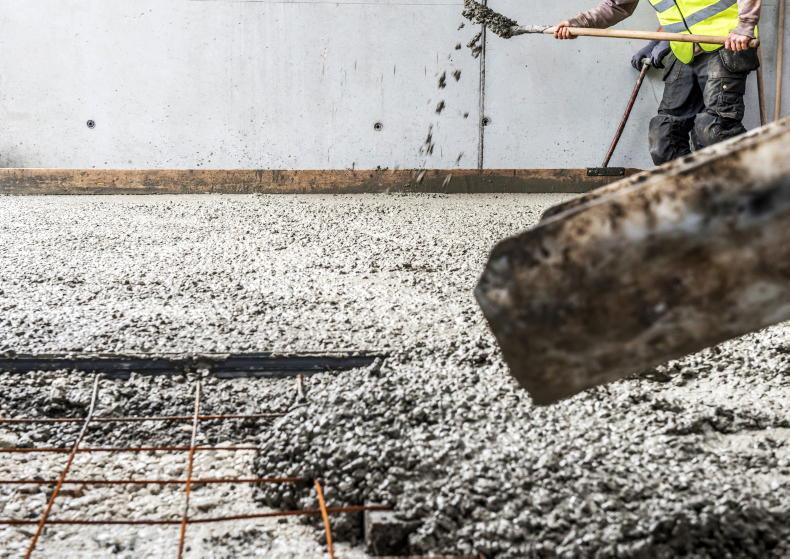
The Department had always maintained that reference costs were in-line for the most part with actual costs, but the differences were evident, particularly in projects that were ‘concrete heavy’ due to the fact that while steel and timber prices had contracted since their Covid-era high, concrete had continually increased.
On the flip side, we have seen some machinery reference costs and animal handling items decrease in price.
Cattle housing for the most part has increased by 10% for the majority of investments, which include slatted and cubicle areas as well as solid floor creep and lie-back areas.
What is not included in this is the tank underneath the cattle housing, with the excel file that is used to calculate the reference cost depending on wall thickness and the shape of the tank not updated as of time of going to print.
However, automatic slurry scrapers which have been a popular item in TAMS, have seen a 25% increase in reference costs, with them now sitting at €20,920.90, though the issue with VAT reclaim still seems to remain.
Calf housing and rearing equipment
We have highlighted several calf houses (with the Fitzgerald calf housing only recently being re-highlighted) showing examples of where the reference costs have fallen behind that of actual costs.
Thankfully, calf housing (with or without penning) has now seen an increase of 20% or €45.34/m² for calf housing with penning.
The new figure stands at €272.03/m² and while the Fitzgerald calf house cost €297.61/m², the increase in reference cost is still of huge value compared to the €226.69/m² that it had previously been. In the Fitzgerald’s calf shed which measured 458.24m², this would result in a net increase of €20,776.60 – equating to an additional grant aid of €12,465.96 or €8,310.64 at 60% and 40% respectively.
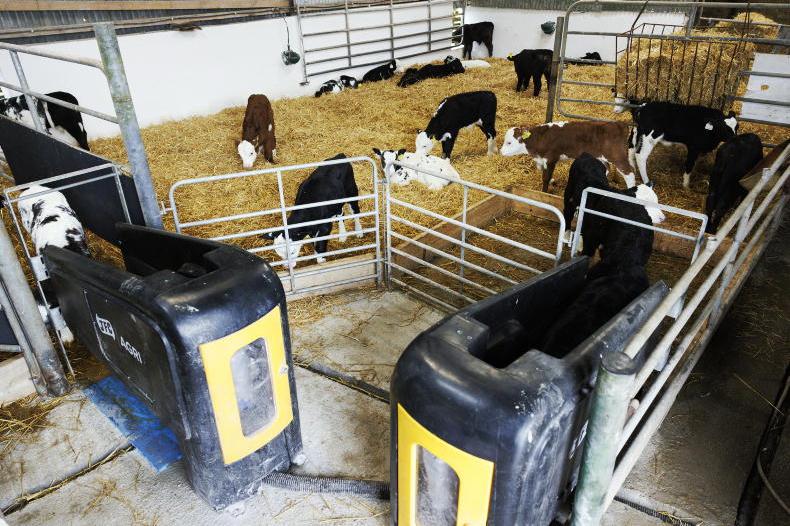
Automatic calf feeders have also seen a significant boost in prices. Taking a four-station calf feeder as an example, the old reference cost would have equated to €13,679.80.
The new reference cost puts a four-station feeder at €17,254, an increase of 26%, which puts it more in line with actual costs which will be roughly €19,000.
Sheep housing and fencing
Those planning on building a sheep shed will be pleased to see that solid floor areas sheds with/without penning have seen an increase in reference costs to the tune of 20%, which actually puts them ahead of lie backs and creep areas for calves on a m² basis.
However, the Department seems fairly steadfast on not increasing slatted areas by much, with slatted sheep sheds only seeing a 10% rise. What this now means is that excluding the tank, the reference cost for a solid- floor sheep shed with penning and a slatted-floor sheep shed is the exact same, which is sure to influence sheep shed design of the future.
As with the cattle, it appears that the tank costings for under sheep sheds remain the same as before.
Fencing has received a decent lift, with a 20% increase in both lowland and mountain fencing being observed.
There is no difference in the specification between the two, with the only variance being that the higher rate for mountain fencing is due to inaccessible conditions for a machine.
Bovine fencing has also seen a 15% increase, while the gateway rate has increased by 20%, with the figure being the same across bovine, ovine and equine enterprises.
Most of the animal handling investments on the bovine side have seen a cut of 10%, which is a disappointment in general.
While these items were well priced for basic units, they failed to capture some of the higher end units with built-in technology in them.
On the sheep side, much of the mobile equipment remains at the same level, though it is slightly more positive on the fixed side where increases of 10% on previous reference costs have been recorded.
It’s very much a case of swings and roundabouts with other popular items under TAMS, with some seeing an increase while others suffer a decrease, particularly on the machinery side. Cattle underpasses have only seen a 12% increase, despite examples shown by the Irish Farmers Journal that point at a vastly greater increase required.
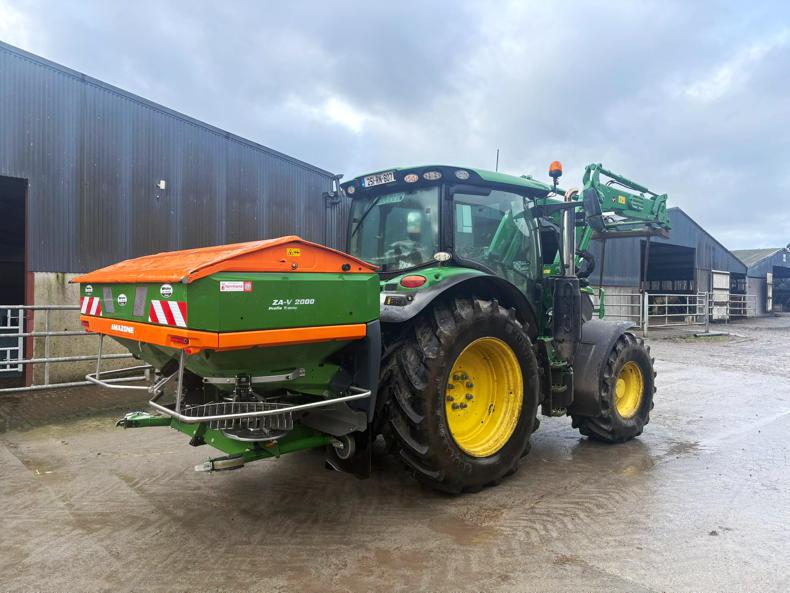
Another popular item has been slurry tanks fitted with dribble bars, due to more farmers now required to spread their slurry using LESS.
A 2,400 gallon tanker with a 9m dribble bar now holds a reference cost of €43,648.50, which is a very minor rise compared to €42,338.50 that had been previously allotted to it.
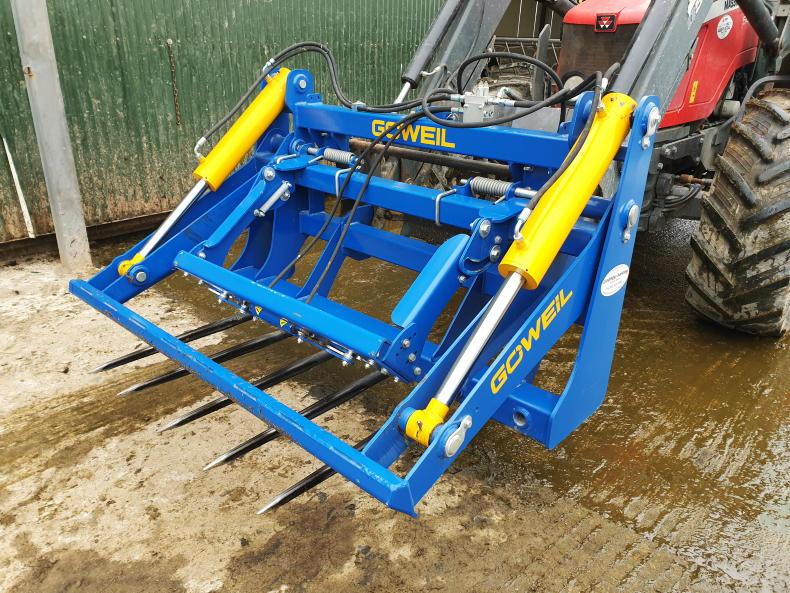
Bale slicers, which have been in the top five most common investments across most of the tranches, have seen an increase of 10%, which now puts them at a reference cost of €3,888.50.
Opinion: right step but more to do
I think this is definitely a step in the right direction, and it’s good to see the Department heeding both the farm lobbying groups and ourselves at the Irish Farmers Journal on some of the shortfallings in the past with regard to reference costs.
While not all items have received an increase, many key items have, which should hopefully solidify farmers’ confidence in the scheme.
Bale shears
It has always been a particularly sore point with regard to TAMS in that many of the reference costs fell well below that of the actual costings; something which we have highlighted in several case studies in these pages as well as anecdotally from farmers and builders.
The net result was many farmers were still opting to go it alone and forget the grant.
The Department had always maintained that reference costs were in-line for the most part with actual costs, but the differences were evident, particularly in projects that were ‘concrete heavy’ due to the fact that while steel and timber prices had contracted since their Covid-era high, concrete had continually increased.
On the flip side, we have seen some machinery reference costs and animal handling items decrease in price.
Cattle housing for the most part has increased by 10% for the majority of investments, which include slatted and cubicle areas as well as solid floor creep and lie-back areas.
What is not included in this is the tank underneath the cattle housing, with the excel file that is used to calculate the reference cost depending on wall thickness and the shape of the tank not updated as of time of going to print.
However, automatic slurry scrapers which have been a popular item in TAMS, have seen a 25% increase in reference costs, with them now sitting at €20,920.90, though the issue with VAT reclaim still seems to remain.
Calf housing and rearing equipment
We have highlighted several calf houses (with the Fitzgerald calf housing only recently being re-highlighted) showing examples of where the reference costs have fallen behind that of actual costs.
Thankfully, calf housing (with or without penning) has now seen an increase of 20% or €45.34/m² for calf housing with penning.
The new figure stands at €272.03/m² and while the Fitzgerald calf house cost €297.61/m², the increase in reference cost is still of huge value compared to the €226.69/m² that it had previously been. In the Fitzgerald’s calf shed which measured 458.24m², this would result in a net increase of €20,776.60 – equating to an additional grant aid of €12,465.96 or €8,310.64 at 60% and 40% respectively.
Automatic calf feeders have also seen a significant boost in prices. Taking a four-station calf feeder as an example, the old reference cost would have equated to €13,679.80.
The new reference cost puts a four-station feeder at €17,254, an increase of 26%, which puts it more in line with actual costs which will be roughly €19,000.
Sheep housing and fencing
Those planning on building a sheep shed will be pleased to see that solid floor areas sheds with/without penning have seen an increase in reference costs to the tune of 20%, which actually puts them ahead of lie backs and creep areas for calves on a m² basis.
However, the Department seems fairly steadfast on not increasing slatted areas by much, with slatted sheep sheds only seeing a 10% rise. What this now means is that excluding the tank, the reference cost for a solid- floor sheep shed with penning and a slatted-floor sheep shed is the exact same, which is sure to influence sheep shed design of the future.
As with the cattle, it appears that the tank costings for under sheep sheds remain the same as before.
Fencing has received a decent lift, with a 20% increase in both lowland and mountain fencing being observed.
There is no difference in the specification between the two, with the only variance being that the higher rate for mountain fencing is due to inaccessible conditions for a machine.
Bovine fencing has also seen a 15% increase, while the gateway rate has increased by 20%, with the figure being the same across bovine, ovine and equine enterprises.
Most of the animal handling investments on the bovine side have seen a cut of 10%, which is a disappointment in general.
While these items were well priced for basic units, they failed to capture some of the higher end units with built-in technology in them.
On the sheep side, much of the mobile equipment remains at the same level, though it is slightly more positive on the fixed side where increases of 10% on previous reference costs have been recorded.
It’s very much a case of swings and roundabouts with other popular items under TAMS, with some seeing an increase while others suffer a decrease, particularly on the machinery side. Cattle underpasses have only seen a 12% increase, despite examples shown by the Irish Farmers Journal that point at a vastly greater increase required.
Another popular item has been slurry tanks fitted with dribble bars, due to more farmers now required to spread their slurry using LESS.
A 2,400 gallon tanker with a 9m dribble bar now holds a reference cost of €43,648.50, which is a very minor rise compared to €42,338.50 that had been previously allotted to it.
Bale slicers, which have been in the top five most common investments across most of the tranches, have seen an increase of 10%, which now puts them at a reference cost of €3,888.50.
Opinion: right step but more to do
I think this is definitely a step in the right direction, and it’s good to see the Department heeding both the farm lobbying groups and ourselves at the Irish Farmers Journal on some of the shortfallings in the past with regard to reference costs.
While not all items have received an increase, many key items have, which should hopefully solidify farmers’ confidence in the scheme.
Bale shears





SHARING OPTIONS