


Planting: many of you have been making good progress in the fields. A lot of people have finished sowing winter cereals or will be finished ahead of the rain forecast at the weekend.
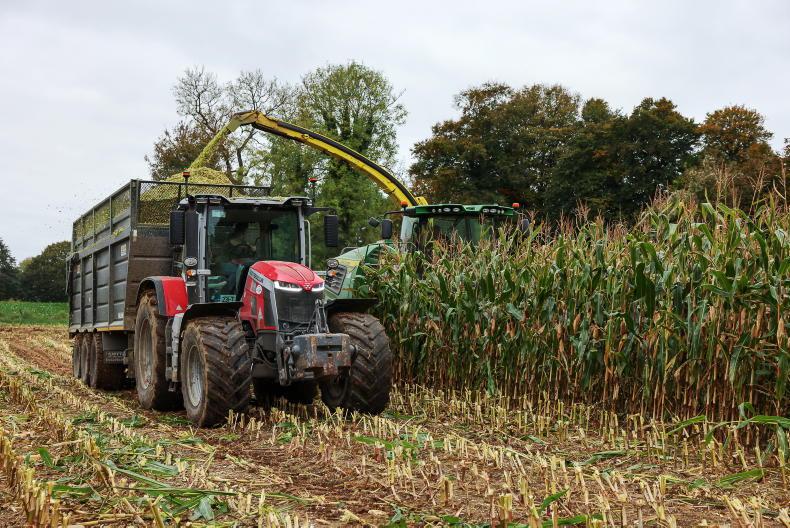
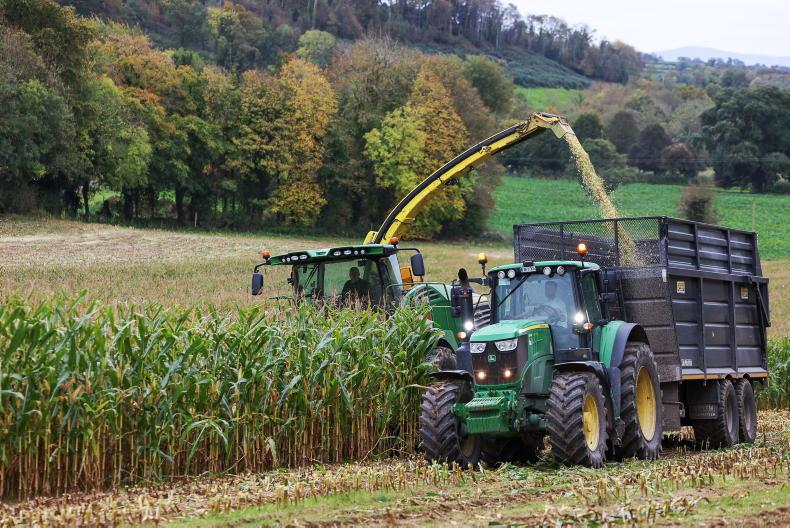
At this stage, a lot of potatoes and maize have been harvested and ideally a crop of winter barley or winter wheat will go in after these break crops to save on fertiliser and add to yield. You can still apply farmyard manure to land this month and if you have it on farm it is a great source of nutrients and will benefit soil structure.
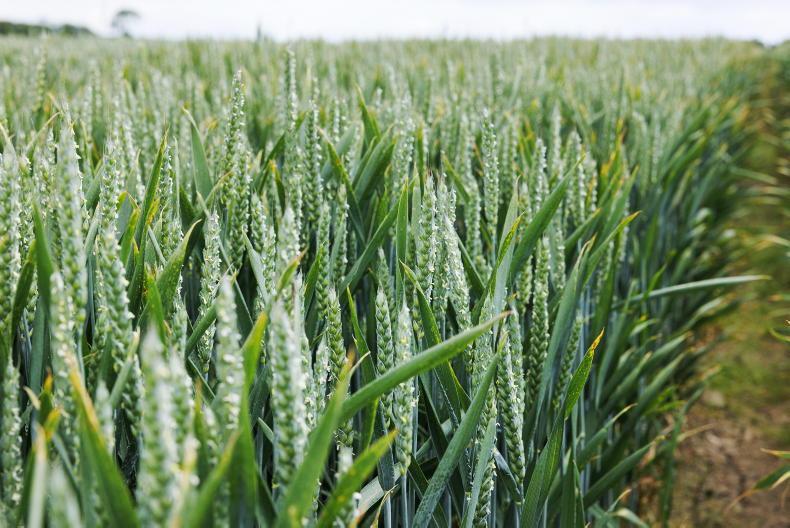
Seed rates: there is still plenty of time to plant winter wheat and winter oats once conditions are good. Winter barley can also go in, but ideally before the end of the month. Increase seed rates if conditions are not ideal and time moves on. On winter wheat you should increase target plant counts to 280 plants/m2 by the end of October and up to 300 plants/m2 into November. Place estimated establishment percentage at 80% in October and 70% in November. So planting winter wheat with a thousand grain weight of 52 at the end of October you need a seed rate of 182kg/ha. Winter oats sown at the end of October should have a target plant count of 330 seeds/m2 and an establishment rate of 80%.
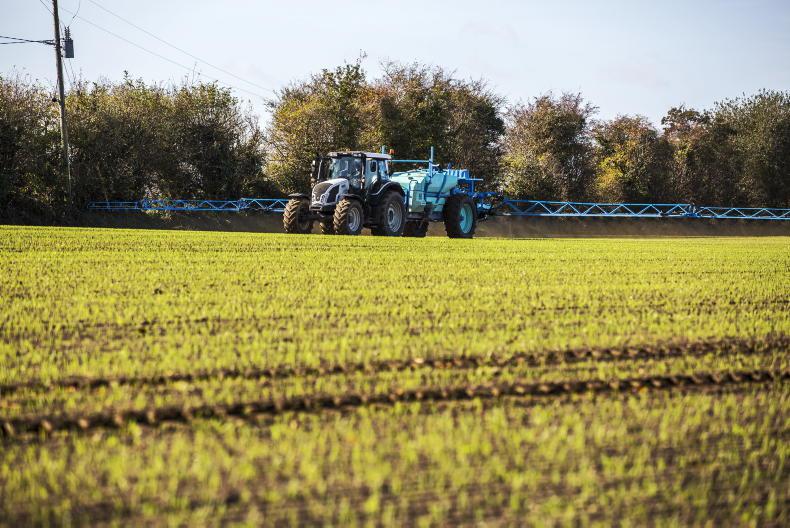
Herbicides: pre-emergence herbicides provide the best control of grass weeds. If you have grass weeds on your farm you should be using Avadex Factor in your herbicide programme. Chat to your agronomist on this. It is important to note that Avadex is the only herbicide we have that will do something significant on blackgrass in cereals, but it will not control it fully. If you have blackgrass you need a strategy that uses cultural and chemical methods of control.
Safety with pesticides: take a look at page 27 to read about the personal protective equipment that you should be wearing when spraying as part of the health and wellbeing series with the Department of Agriculture. There is also a QR code to scan on the page to watch a video describing everything that you need.
Aphicide: temperatures are low this weather and are hopefully reducing aphid flight and the spread of barley yellow dwarf virus. We have no aphid counts to report at present. Early-sown crops are well up at this stage. Crops sown early that are not BYDV tolerant would probably benefit from a spray around the three-leaf stage. However, recent years have shown it is very hard to get spray timing right for winter crops as aphid infection appears to happen at different times.
Soil sampling: with many winter crops in, it is an ideal time to soil sample across farms. Sampling at this time of the year also means you avoid the rush in the spring time and can have a fertiliser plan created. This may also allow you to purchase fertiliser if prices move down ahead of the CBAM tariffs, which have the potential to add to fertiliser prices significantly.



SHARING OPTIONS