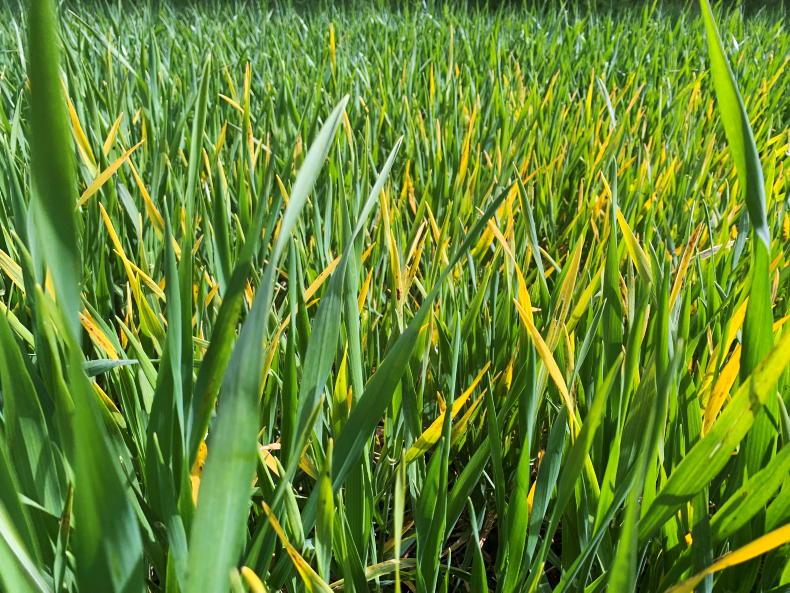
Nearing an end: Still the tail continues but it seems to be getting smaller daily. Many fields of straw have been baled and cleared but many more still have bits remaining to be cut as a result of green patches in crops.
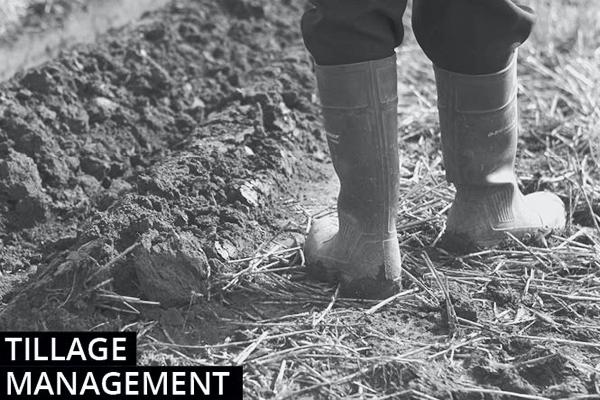
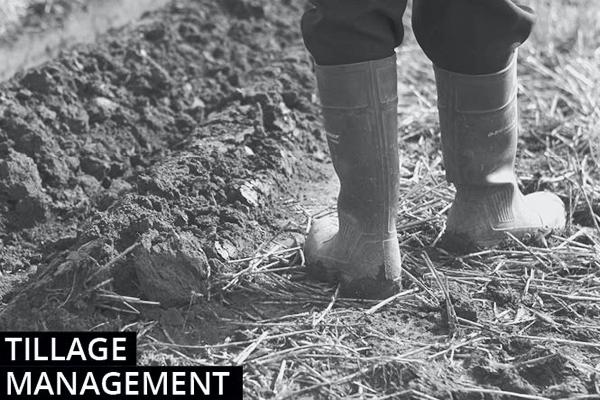
Stubbles: Every year, more and more stubbles are being cultivated – many out of necessity to try to get to grips with increasing weed problems. The initial cultivation needs to be shallow so you won’t bury seeds shed last harvest in the hope that they will germinate and grow now before a crop is planted. The cultivation needs to undercut to disturb all existing vegetation while being as shallow as possible. Having very little loose soil helps it dry out, helps kill slug eggs, etc, and enables it to dry out faster after rain.
Stubble cultivation is very important where grass weeds are increasing in prominence. You must get seed carryover numbers down by any and every means. Grass weeds tend to like early drilling, an open crop, monoculture and non-inversion tillage. Delayed drilling tends to suit the crop better but low fertility reduces the ability of the crop to compete.
The benefit of ploughing in burying weed seeds is limited when it is used every year because you just turn the buried seeds back up in the following year so they can grow again. If you have a grass weed problem (especially sterile brome), try to leave ploughed down seeds for two or three years before ploughing again. Most weeds lose a level of viability when ploughed down for a few years.
While the plough has a part to play, so does min-till and direct drilling. These disturb less shallow soil which helps to germinate weed seeds but use these with crops that can be sprayed effectively for grass weeds, such as wheat or broad-leaved crops. Successful grass weed control must be built into the rotation.
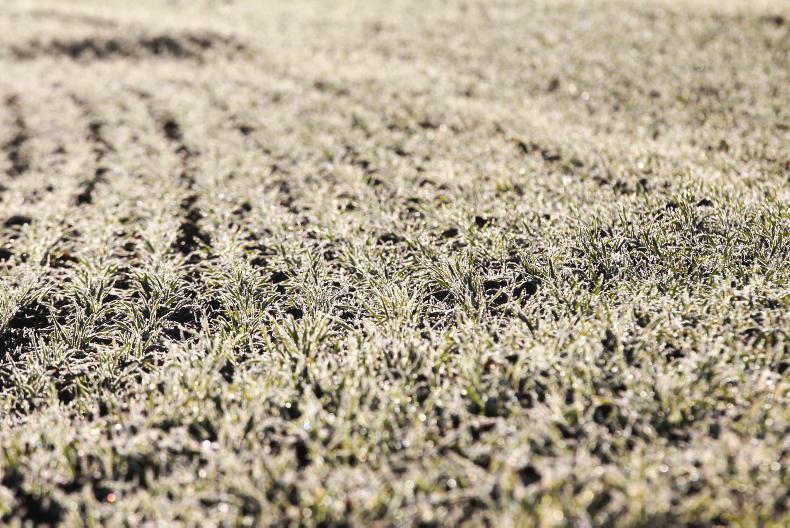
Planting: Winter crops have come to be planted earlier every year to help cover big acreages and avoid the risk of poor establishment, but early sowing brings it own problems. The most obvious are higher take-all, septoria, rhyncho, net blotch and BYDV risk. Consider using Redigo Deter seed dressing for the earliest planted crops.
As earlier planting favours grass weeds, later planting is important for winter barley and oats. Drill winter barley at around 300 seeds/m2 (155-185kg/ha or 10-12st/ac), early winter wheat at 180-200 seeds/m2 (110-125kg/ha or 6-8st/ac at 55g TGW) and oats at 300 seeds/m2 (120-140kg/ac or 7.5-9st/ac).
Soil testing: This is a great time to get field sampling done for soil testing. Take a sample from every variable area in all fields to help guide fertiliser input. Lime is the critical input as it governs the use efficacy of all other fertilisers and trace elements. So get pH sorted as a priority for crop growth.
Nearing an end: Still the tail continues but it seems to be getting smaller daily. Many fields of straw have been baled and cleared but many more still have bits remaining to be cut as a result of green patches in crops.
Stubbles: Every year, more and more stubbles are being cultivated – many out of necessity to try to get to grips with increasing weed problems. The initial cultivation needs to be shallow so you won’t bury seeds shed last harvest in the hope that they will germinate and grow now before a crop is planted. The cultivation needs to undercut to disturb all existing vegetation while being as shallow as possible. Having very little loose soil helps it dry out, helps kill slug eggs, etc, and enables it to dry out faster after rain.
Stubble cultivation is very important where grass weeds are increasing in prominence. You must get seed carryover numbers down by any and every means. Grass weeds tend to like early drilling, an open crop, monoculture and non-inversion tillage. Delayed drilling tends to suit the crop better but low fertility reduces the ability of the crop to compete.
The benefit of ploughing in burying weed seeds is limited when it is used every year because you just turn the buried seeds back up in the following year so they can grow again. If you have a grass weed problem (especially sterile brome), try to leave ploughed down seeds for two or three years before ploughing again. Most weeds lose a level of viability when ploughed down for a few years.
While the plough has a part to play, so does min-till and direct drilling. These disturb less shallow soil which helps to germinate weed seeds but use these with crops that can be sprayed effectively for grass weeds, such as wheat or broad-leaved crops. Successful grass weed control must be built into the rotation.
Planting: Winter crops have come to be planted earlier every year to help cover big acreages and avoid the risk of poor establishment, but early sowing brings it own problems. The most obvious are higher take-all, septoria, rhyncho, net blotch and BYDV risk. Consider using Redigo Deter seed dressing for the earliest planted crops.
As earlier planting favours grass weeds, later planting is important for winter barley and oats. Drill winter barley at around 300 seeds/m2 (155-185kg/ha or 10-12st/ac), early winter wheat at 180-200 seeds/m2 (110-125kg/ha or 6-8st/ac at 55g TGW) and oats at 300 seeds/m2 (120-140kg/ac or 7.5-9st/ac).
Soil testing: This is a great time to get field sampling done for soil testing. Take a sample from every variable area in all fields to help guide fertiliser input. Lime is the critical input as it governs the use efficacy of all other fertilisers and trace elements. So get pH sorted as a priority for crop growth.






SHARING OPTIONS