



Gary Gillespie
UCD Lyons Farm, Celbridge, Co Kildare
The land had become quite dry at UCD Lyons Farm but the last 10 days have provided plenty of thunder, lightning and heavy rain to quench the thirst of some of the crops. However, temperatures have not been conducive to a huge burst of growth, except for those few hot days at the end of May.
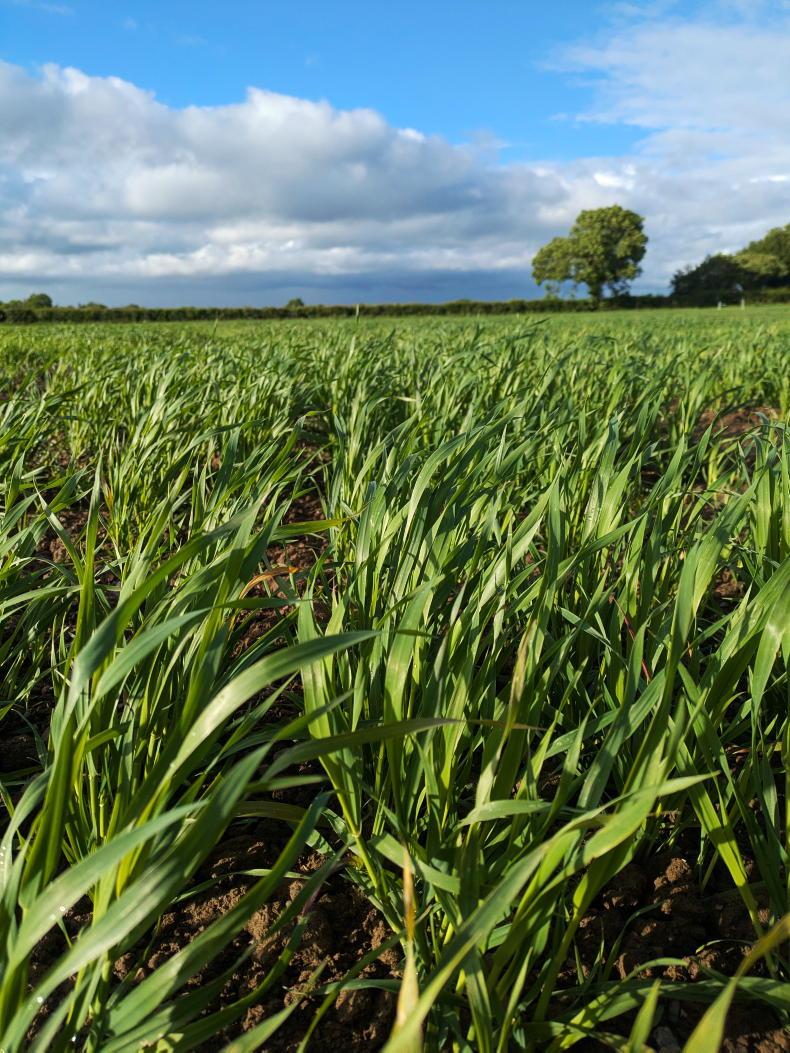
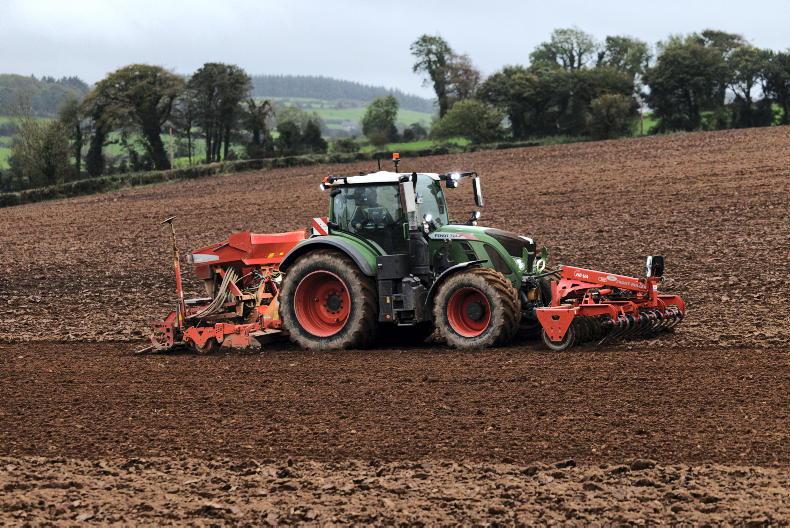
Ground had been wet earlier in the spring so most trial plots were planted on the week of 23 April. The cereals are now tillering but are not driving on as much as Gary would like due to the cooler temperatures. The oat and barley plots look stronger than the wheat but the wheat should still be fine.
The beans and peas have some notching, with the beans faring a bit worse than the peas. The beans are just starting to flower even though they’re still quite short. The beans also suffered badly from bird damage just after emergence while the peas and cereals were mostly left untouched.
A big flush of weeds has started to come through all the plots in the last week and a herbicide spray will be applied whenever the weather allows.
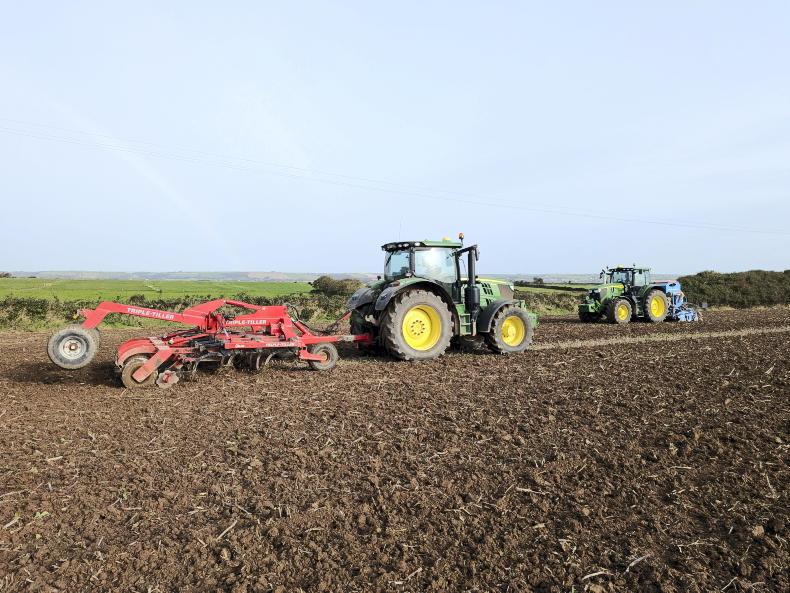
The long-term cultivation systems trial was planted with spring oats. All three systems, ploughing, minimum tillage and no-till emerged well.
Muriate of potash was spread on all research plots at 170kg/ha after sowing. No phosphorus was applied as the field is Index 4 for P. Nitrogen is spread on each plot separately with a land-driven push fertiliser spreader to ensure accurate placement of the nitrogen on every plot at the correct rate.
The second round of plots for teaching were planted on 29 May. These were sowed very late as Gary would like them to still be green at the beginning of September when students return to the farm in order to showcase as many crop diseases as possible.
Patrick Daly
Ballinasloe, Co Galway
The sun and high temperatures seem a long time ago in Galway as the rain has barely let up over the past two weeks.
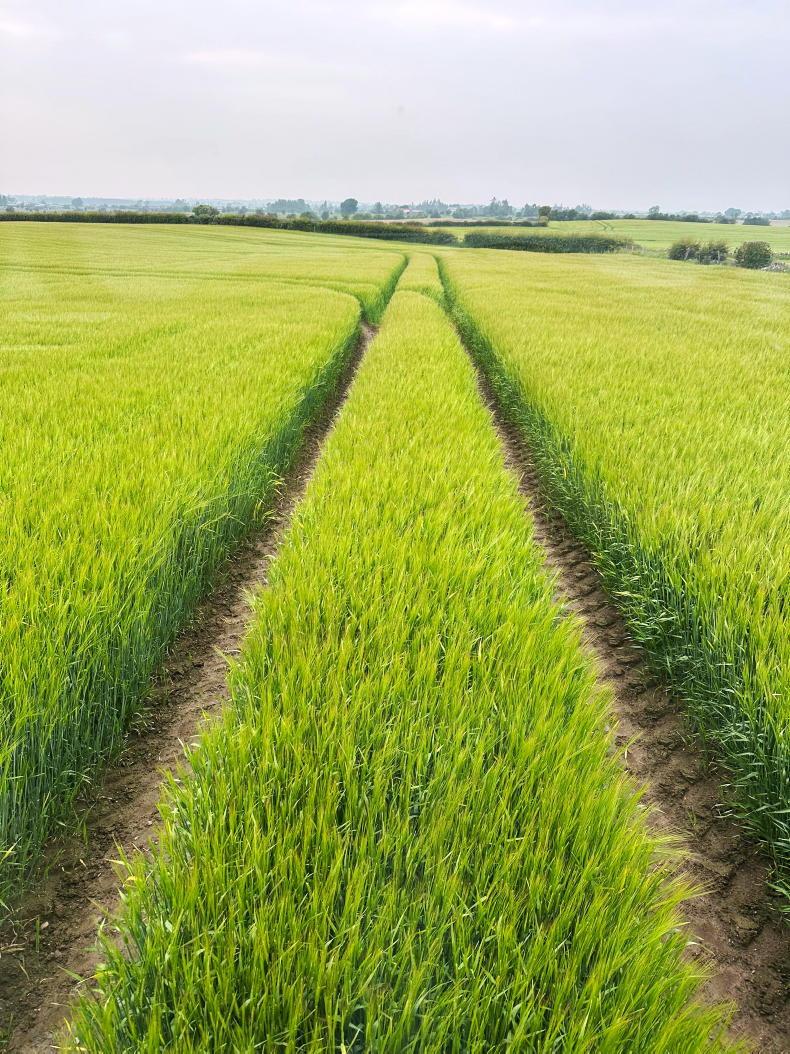
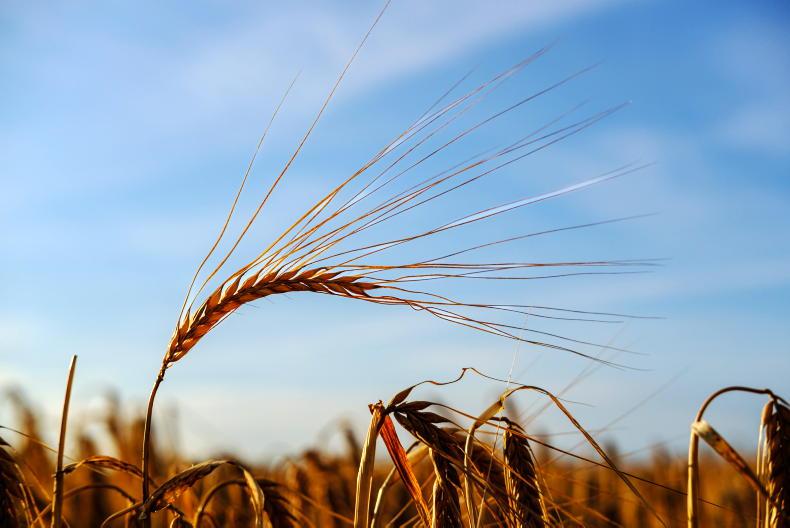
Patrick says his winter barley looks very good. It received all its sprays in good time and had a good start to grain fill. The hybrid barley is very tall despite the growth regulators Patrick applied so he is hoping that it can hold out against the wind and rain, and remain standing. The weather will still have a huge role to play, but Patrick expects that the harvest will begin in mid-July.
The winter oilseed rape looks OK. Patrick says he has had better crops in other years and he thinks the prolonged wet weather in April didn’t help with pollination during flowering.
There is some septoria in the winter wheat and Patrick will be taking this into account when the last fungicide spray is applied next week whenever the weather allows.
The crop also got 30 units/ac of late nitrogen to help increase the protein level of the grain.
The spring barley got off to a flying start on the farm. It had 200kg/ac of 10-5-25 in the seedbed and the remaining nitrogen was applied as the tramlines became visible.
It received a fungicide spray last week. Patrick says it has tillered very well, but the cold and wet weather is holding it back now.
The spring beans were sowed late but they have started to bolt and it won’t be long until they flower. When they reach this stage, it will be time to apply a fungicide.
Patrick notes that diesel prices remain a significant burden. Although spring crop establishment went relatively smoothly once the weather did eventually cooperate, Patrick says the costs involved are a concern. He had hoped to see some more positive movement in the grain markets than what has occurred in the past few weeks due to reports of drought in the USA.
Hugh McDonnell
Bagenalstown, Co Carlow
The start of June has been quite wet in Carlow and this continued in the past few days with 17mm of rain on Sunday night and more since then. This has made it quite difficult for Hugh to get the head spray on his Champion and Graham winter wheat as there have only been a few small windows to get spraying done.
He did manage to get some of it done on Saturday and the remainder on Monday when the crop dried for a few hours. Amistar and Protendo were applied to the crop which is flowering. Hugh says it could be a challenge to keep the fusarium out of the wheat ears with the wet weather but he hopes the spray will do its job.
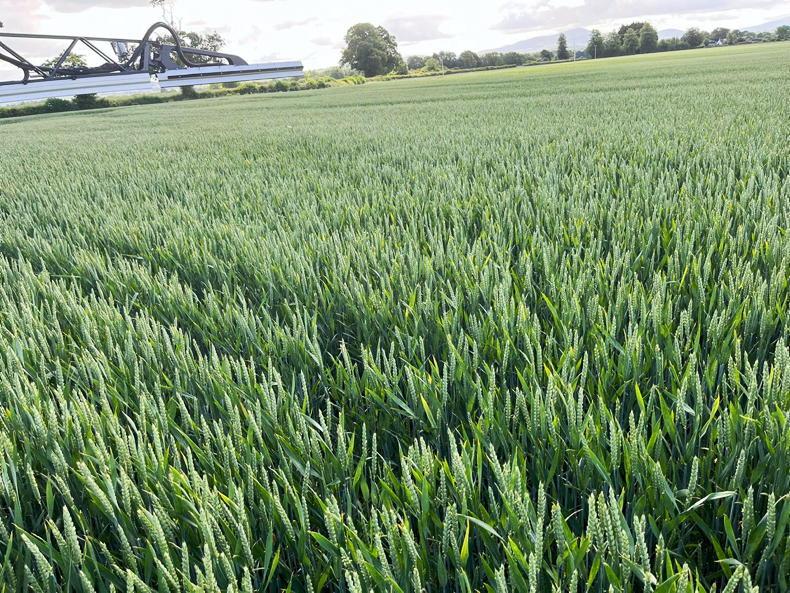
The wheat remains pretty clean of disease otherwise. The wheat on Hugh’s heavy land has come on a lot. Hugh says he is amazed by the progress it has made as he was nearly considering replanting some of the crop in March.
There are still a couple of bare batches and areas that are thinner but the wheat should be able to compensate for the thin areas.
The winter oats and oilseed rape both look good on the farm.
Hugh says the oats have looked well all year and they kept growing throughout the winter but he does not expect the harvest to be any earlier than usual.
Despite this, harvest preparations are underway on the farm with grain trailers being checked over and a new set of fingers put onto the combine header.
One area that Hugh is having an issue with in his preparations is getting some extra help on the farm. He says that there are very few of the next generation coming into agriculture and it is making it difficult to find an operator for the harvest season.


SHARING OPTIONS