



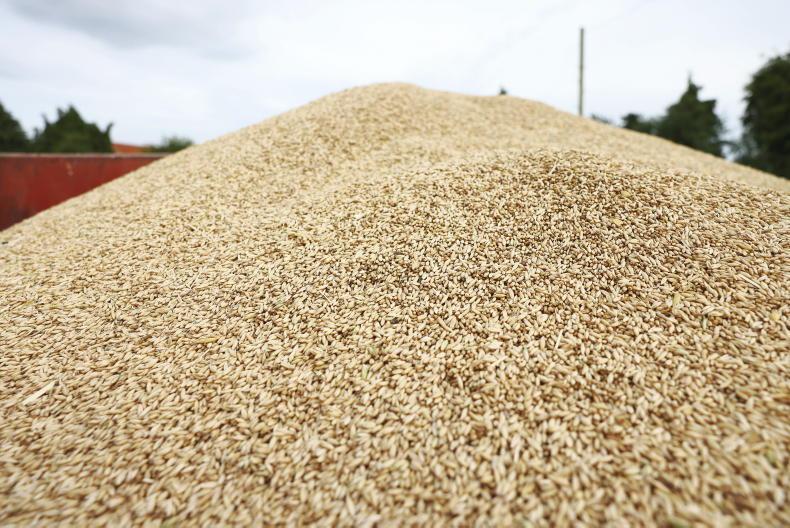
Weather: The weather over the last week has been unsettled and prevented a lot of field work. Some work was done on Saturday and even some combines made their way to the fields.
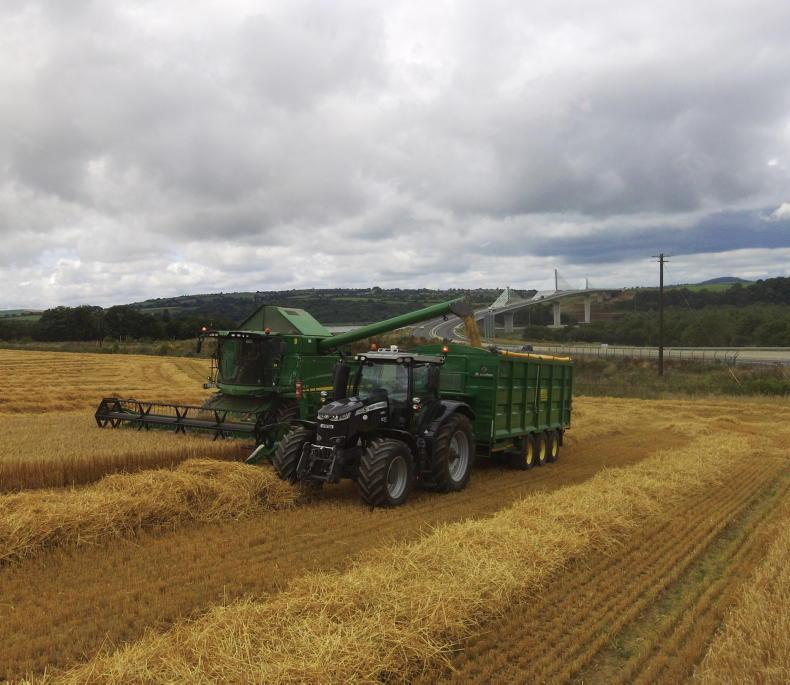
This week some farmers expect to be cutting some early-sown spring barley. It’s very early for the crop, but that is the season we are in. A lot of other crops are 10 days to two weeks away, with later-sown crops further away again.
There is straw to be baled and cleared on many farms and stubbles need to be cultivated within 14 days of harvest for nitrates rules, which will be difficult for some after the rain.
Glyphosate: As the spring cereal harvest draws near it is essential to remember that crops destined for food end markets do not receive glyphosate.
This includes crops like oats for food and malting barley or feed barley for malting or roasting. Even a tiny trace of glyphosate or drift from another crop being sprayed can contaminate a sample.
Grain will be tested for glyphosate at intakes, and if your grain makes it to a store and the store is contaminated then you could be liable for that store not passing and losing out on payment.
Cover crops: Many people have been planting cover crops. You should now know if you qualified for the Farming for Water project or not. It is an ideal time for planting after the rain, with some drier weather on the way.
Those who applied to plant cover crops ahead of winter crops under the Farming for Water scheme must have those crops planted by 1 August and they must remain in place until 30 September.
One thing you need to be conscious of is clubroot, especially if you grow oilseed rape. Clubroot is a risk where oilseed rape is grown without a proper rotation, and it can also be an issue where brassica catch crops like forage rape, kale, mustard and tillage radish are grown in cover crops. It prevents the plant’s roots from developing properly and stunts growth.
The disease can last in the soil for as much as 15 years and it can travel on shoes and animals’ feet and even in animals’ guts if they are grazing in an affected field.
Where oilseed rape is grown you should ideally rotate every five years and leave any brassica catch crops out of the mix to avoid providing an environment for the disease. There are specific cover crop seed mixes available without brassica crops.
Crop Tour: The Irish Farmers Journal is hitting the road to the tillage fields of the country to examine crops, estimate yields and examine what went well and not so well this season.
We will release a video every evening next week on our website from Monday, 28 July.
We will of course cover what we find in the paper. The first video is free, and anyone who wants to watch the remainder of the videos can sign up online using the code CROPTOUR.
This will grant you three months access to our online content for the special price of just €5.99 a month.


SHARING OPTIONS